Greenery for the summer or for years to come? 8 plant care mistakes during hot days
Heatwaves are a challenge not only for us but also for our plants. Discover the 8 most common mistakes in summer houseplant care and learn how to avoid them.
Summer is in full swing! At this time of year, ice cream tastes best, the days are long, and city flowerbeds and home gardens delight the eye with a palette of colors. Summer is a time of intense growth not only for outdoor greenery but also for houseplants and office plants. At the same time, hot days can be a real endurance test for them. Absorbed by summer adventures, we don't always see how quickly the soil in a pot dries out, or how intense light can harm our charges instead of helping them. In summer, caring for potted plants requires a slightly different approach than in the cooler months. That is why we have prepared an overview of the 8 most common care mistakes we make in the summer, as well as a handful of tips on how to keep your plants in shape when the mercury rises.
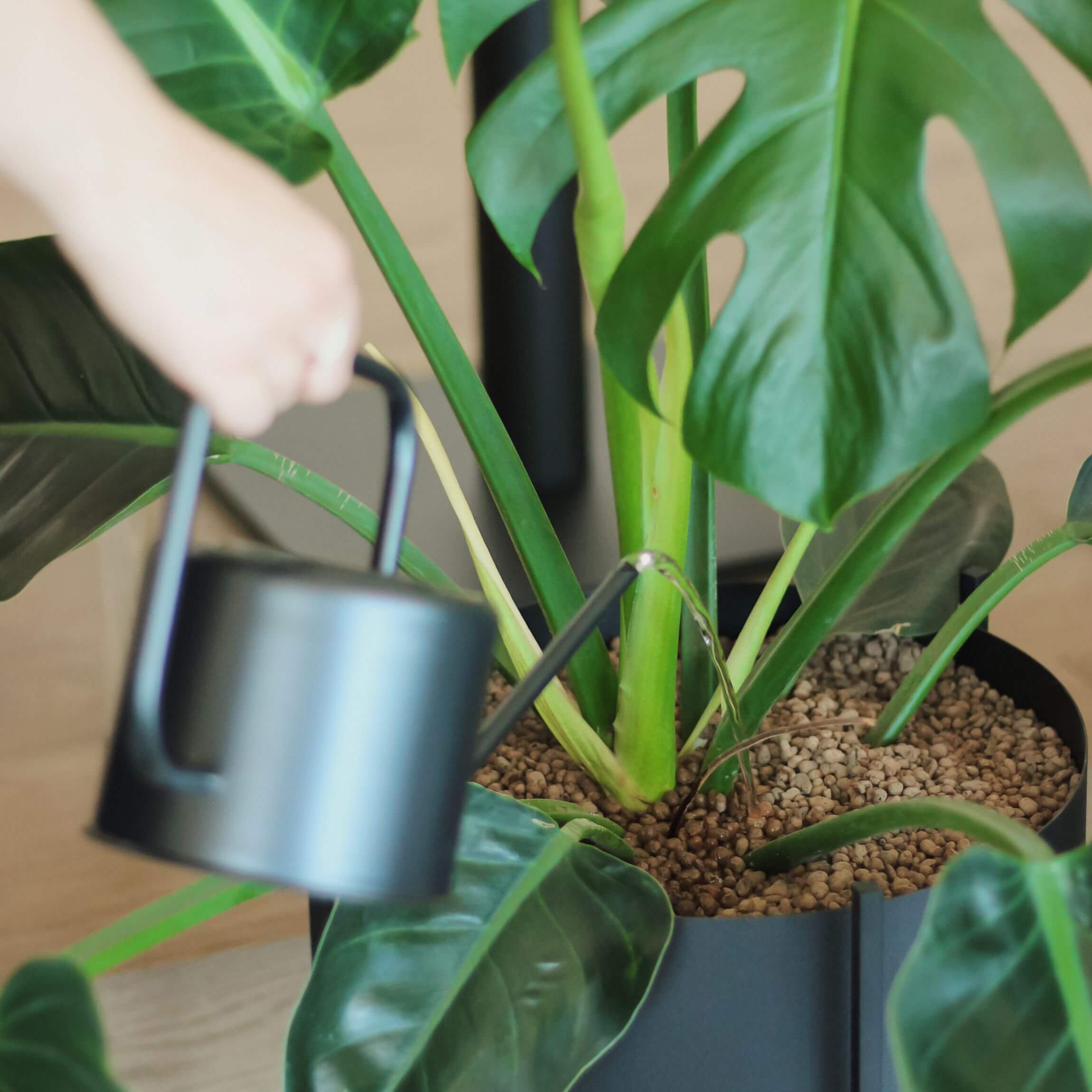
1. Overwatering "just in case" without checking soil moisture
When hot days arrive, many people's first instinct is to water more often and in larger amounts. It’s understandable—we reach for a glass of water more frequently ourselves during a heatwave. The problem is that not every houseplant needs this. Succulents, cacti, snake plants or ZZ plants have a natural ability to store water. In summer, if the soil in their pots stays constantly damp, their roots can begin to rot and die off.
On the other hand, plants with large, thin leaves (e.g., ferns, calatheas, alocasias) may indeed need more frequent watering because water evaporates from the soil faster due to higher temperatures.
Tip: instead of sticking to a rigid schedule, observe your plants and adjust your watering routine to the season and the specific needs of each species. If you aren't sure if it's the right time to water, simply stick your finger into the soil. If the substrate is dry about 2-3 cm deep, it's time to water the plant.
2. Placing plants in direct sunlight and against hot windowpanes
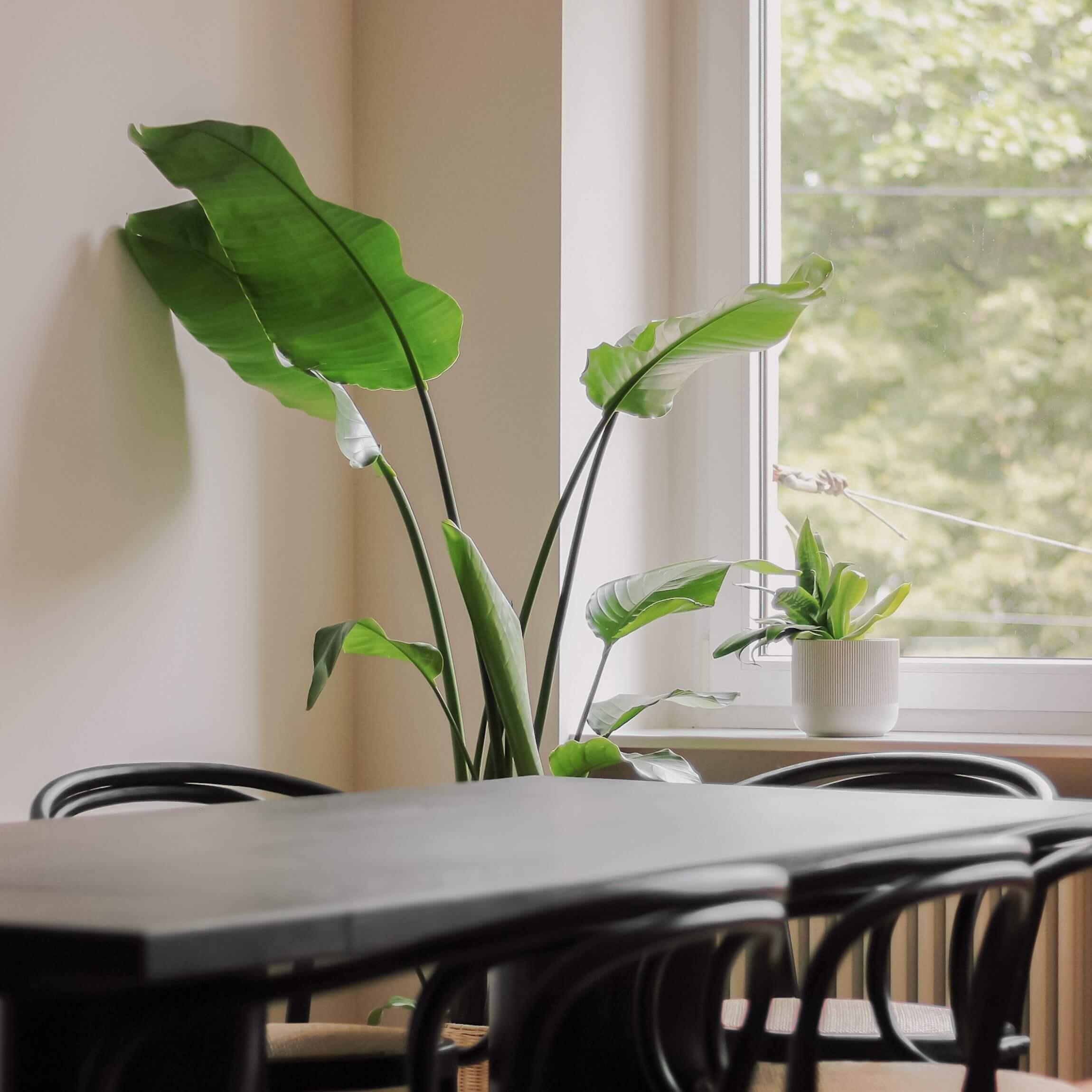
In summer, the sun's rays are much harsher than in winter or spring. Consequently, leaf burn is more common, especially if you move plants closer to windows for more light during summer cleaning. Windowpanes act like lenses—they can heat up to high temperatures and "scorch" any leaves touching them. Even if the rest of the plant is in partial shade, individual leaves touching the glass are prone to damage. After just a few hours of exposure to the southern sun, characteristic pale or brown spots may appear, and the tips may begin to dry out.
Remember that some plants (ficus, monstera or epipremnum) thrive in bright, indirect light and do not need sunbathing. If you do move plants closer to a window, make sure the leaves are not touching the hot glass, monitor your plants' reactions, and if necessary, diffuse the light with a curtain or blind.
3. Leaving new acquisitions in dark nursery pots
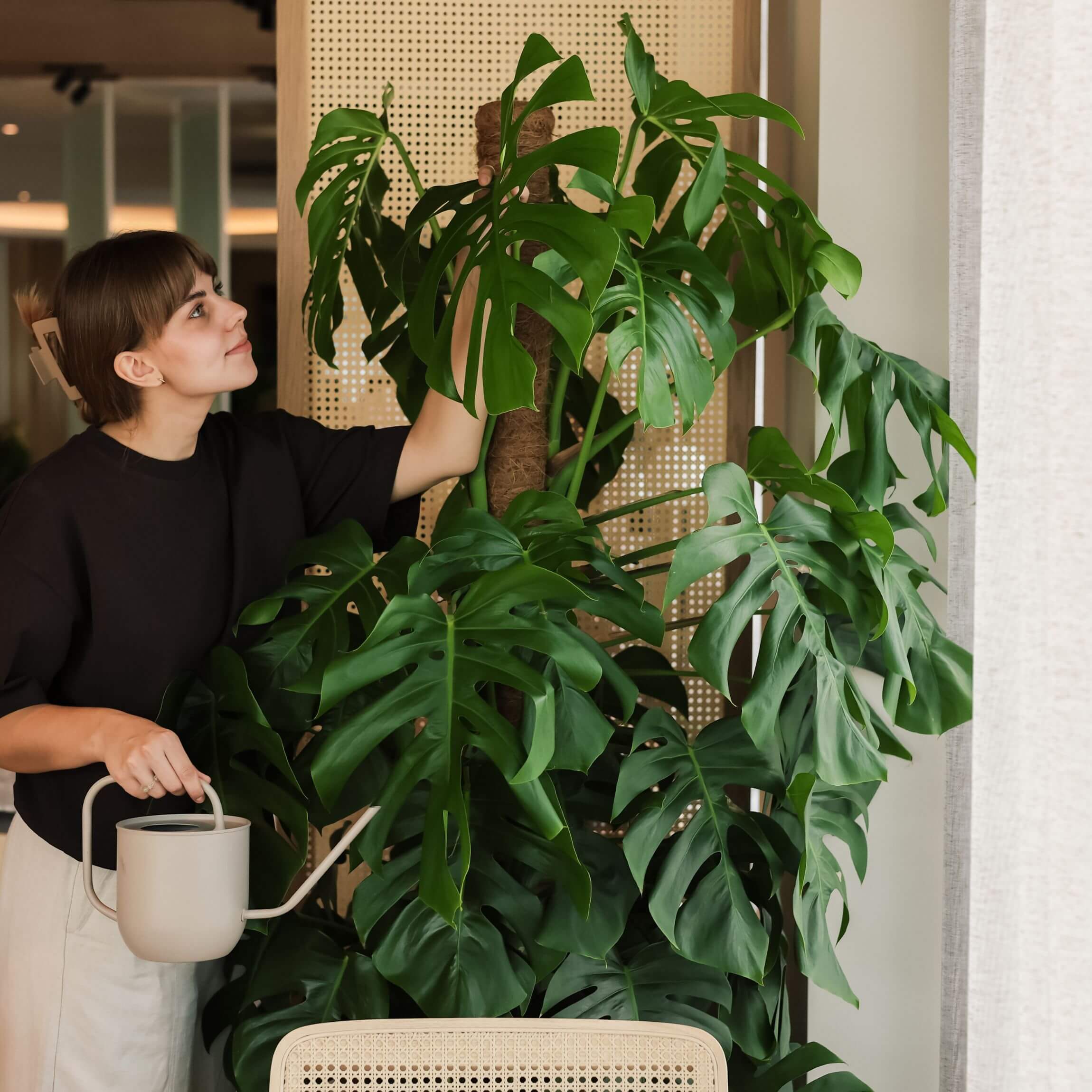
Has a new specimen recently joined your plant collection? Pay attention to the color of the nursery pot it arrived in! In summer, dark plastic nursery containers are particularly problematic as they heat up very quickly, especially on balconies, terraces, and south-facing windowsills. Such pots can act like miniature ovens—the soil inside reaches much higher temperatures than the surrounding air, which leads to overheating of the root system.
The consequences? Stunted growth, wilting, loss of leaf turgor, and, in the long run, the death of the plant. If you aren't planning to repot your new plant immediately, try at least to shield it from direct sun, place it in an area with better air circulation, or put the nursery pot inside a lighter-colored decorative pot. This change will help reduce the risk of overheating and allow the plant to adapt to its new home more quickly.

4. Exposing plants to extreme temperatures and air conditioning drafts
Heat stress manifests in various ways—not just as pale discoloration or brown tips. A plant may also drop its leaves or let them droop, as if it has suddenly lost all its strength. Stress factors include not only high temperatures but also sudden temperature fluctuations. A common culprit is a cold draft from an air conditioner placed too close to the plants. While a cool breeze is a relief to us, it is thermal shock to plants, causing them to react as if they have a cold: weakening, drooping, and excessive water evaporation.
It is worth remembering that plants do not handle extremes well. Both heat in a stuffy corner and a direct blast of cold air can cause similar stress.
5. Lack of regular checks for summer pests
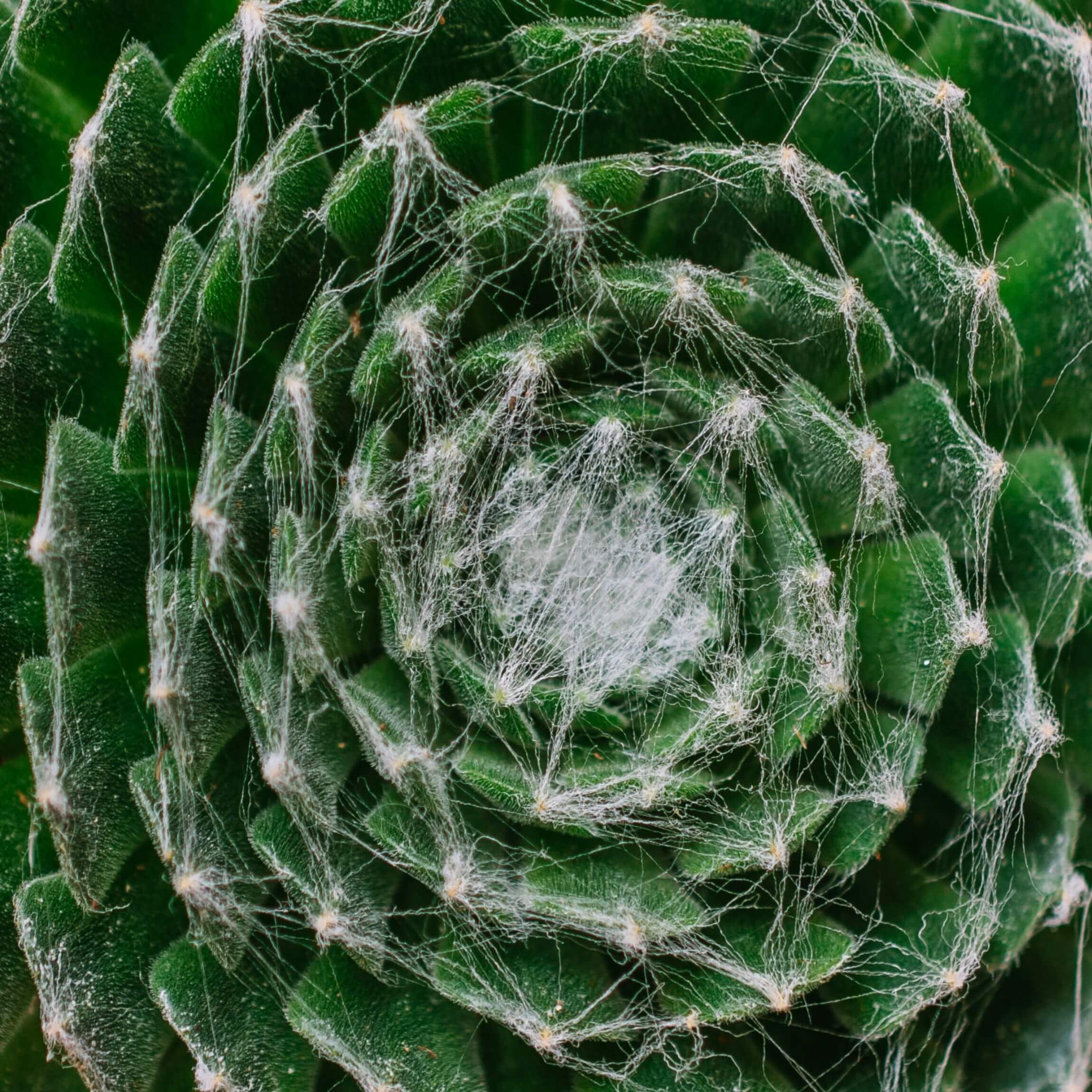
Pests love summer for its high temperatures, dry air, and limited air circulation. At this time of year, they become more active and reproduce faster. Spider mites, thrips, or mealybugs can attack overnight and quickly weaken even a well-cared-for specimen. While enjoying the long-awaited summer, we can easily overlook the signs of their presence. Tiny discolorations, sticky spots, webs, or deformed new leaves are often the first signals that a plant has fallen victim to uninvited guests. The sooner you notice them, the greater the chance for effective intervention without harming your entire collection.
In between summer adventures, it is worth checking under the leaves more often, keeping more space between pots, and regularly removing dead plant parts. If necessary, reach for mild protective agents before more invasive treatment becomes required.
6. Misting leaves in full sun and with poor air circulation
We would venture to say that misting is one of those practices that has as many supporters as it does opponents. Although it can help temporarily increase air humidity, not every plant needs it, and it is easy to make a mistake on hot days.
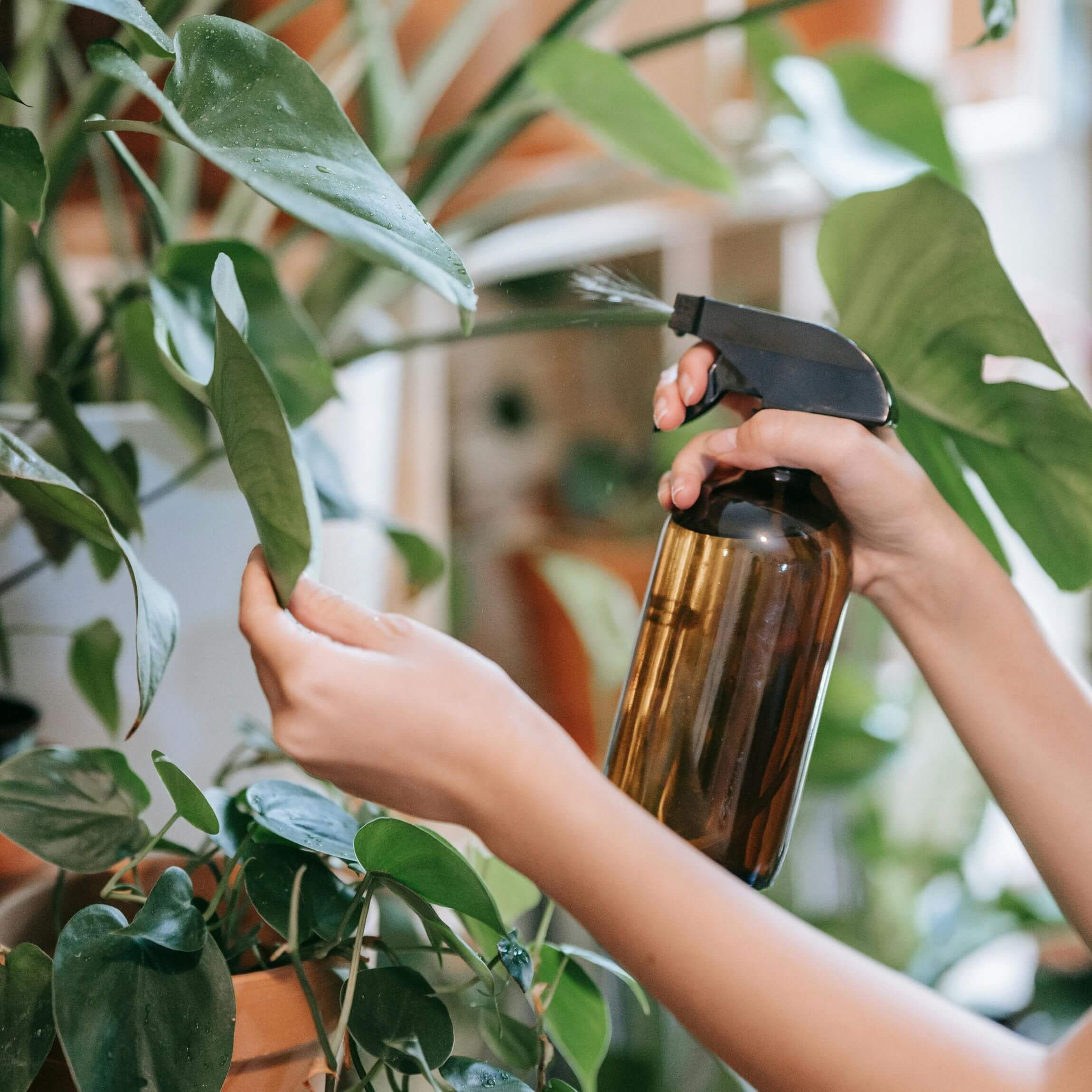
Misting leaves in full sun (at noon or in the early afternoon) exposes them to localized burns. Water droplets can act as lenses that focus light, leading to spots and discoloration. Additionally, in high temperatures, water evaporates quickly, making the effect of misting short-lived. Furthermore, frequent misting can promote the growth of mold and fungal diseases, especially when leaves remain wet for a long time and there is poor air circulation in the room.
Tip: If you want to increase the air humidity in a room, opt for a humidifier, group your plants together, or place the pot on a tray with expanded clay and water.
7. Overwatering plants right before leaving for vacation
Anyone who is a happy owner of an indoor jungle has faced a similar dilemma at some point—what to do with the plants during vacation? Fearing that the plants won't survive without care, many people water them much more heavily than usual before leaving. Unfortunately, the roots of most plants cannot handle constant contact with wet soil and may start to rot before you even pack your suitcase. Fungi and anaerobic bacteria also develop easily in very damp soil. This is also an invitation for fungus gnats and other unwanted tenants.
The rule is simple—it is better to let them dry out slightly than to overwater. Most plants will easily endure a few days without water if you water them regularly and ensure proper conditions before you leave—move pots away from the window and group the plants closer together to increase air humidity. If you are responsible for a larger number of plants, for example in an office, consider using a professional plant care service. Regular health checks, watering tailored to conditions, and quick responses to potential problems are a great relief for the team, especially during the vacation season.
8. Over-fertilizing during the summer growth period
Plants do indeed grow faster in the summer, but that does not mean they need to be fertilized every week. Providing nutrients too frequently can lead to over-fertilization, which is just a step away from damaging the roots or (paradoxically) stunting the plant's growth.
In most cases, one dose of fertilizer every 4 weeks, applied according to the manufacturer's recommendations, is sufficient. It is also worth remembering that not every plant needs fertilizer at the same time—their growth rates can vary depending on the species, the amount of light, temperature, and air humidity in a given room. If you have doubts about what, when, and how to fertilize, read our article on fertilizing potted plants.
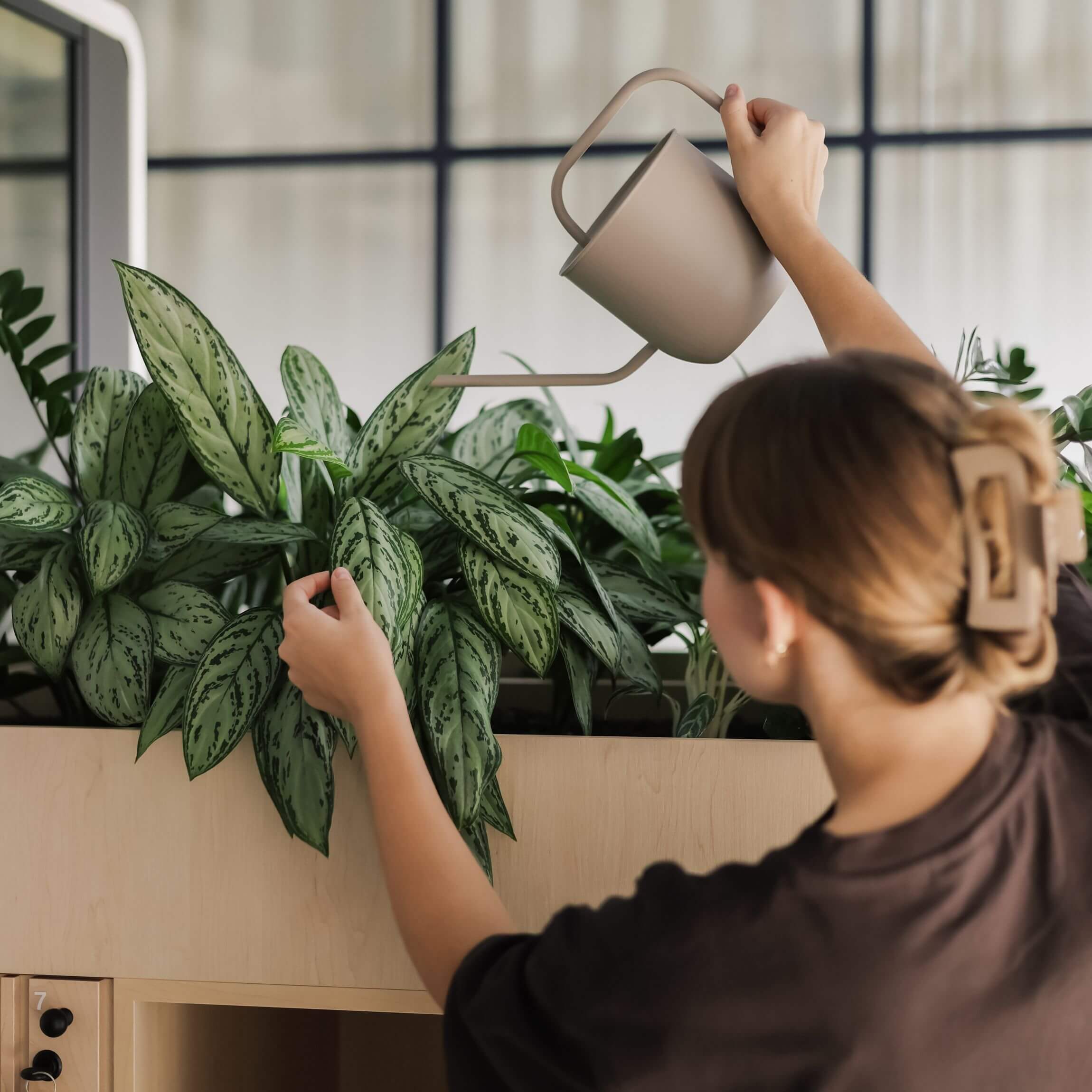
It is worth taking care of the greenery in your home or office not just in the summer, but all year round.
Learn more about caring for potted plants
For more tips on how to get started, check out our article on 6 non-obvious plant care mistakes. If you need support with plant maintenance, rearranging your plants, or choosing new species, we are here for you. At Projekt Rośliny, we specialize in creating greenery design projects, comprehensive plant space installations, andand professional plant maintenance services.