Which plants are safe and which are toxic to cats and dogs? A guide to pet-friendly greenery for your home and office.
Check which houseplants are toxic and which are safe for cats and dogs. Learn how to protect your pets at home and in the office, and what the symptoms of poisoning look like.
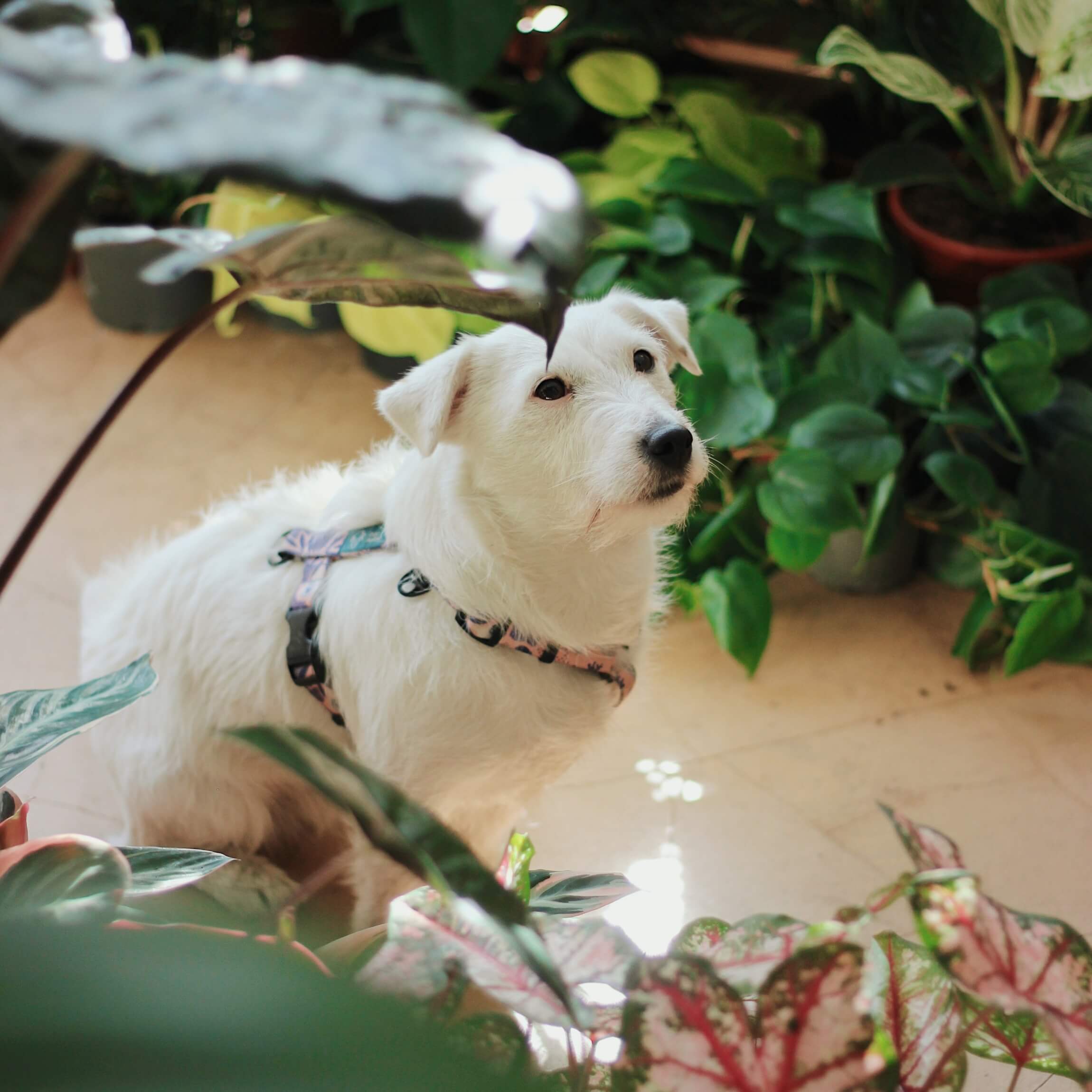
Our four-legged friends can have some bold ideas. They jump where they shouldn't, open cabinets, and pull out items that we later find... well, in less than perfect condition. Some pets also discover a passion for gardening the moment a new plant appears in the house. However, this is where the line between a harmless pet prank and a real threat to their health begins to blur.
Not all houseplants are suitable for homes and offices where animals are present, as we wrote a few years ago in our article about 7 plant species safe for dogs and cats. Today, we are back with another list of plants that are safe and toxic for pets, as well as tips on what to do if you suspect poisoning.
Plants safe for cats and dogs
The American Society for the Prevention of Cruelty to Animals emphasizes that any amount of plant material, even the smallest, from a safe species can cause stomach upset in cats and dogs. The difference between safe and toxic plants, however, lies in the potential consequences. Ingestion of the latter by a dog or cat can lead to serious, long-term health problems, and in extreme cases, the death of the animal. Therefore, although we refer to the list below as a collection of plants safe for cats and dogs, it is always worth exercising caution and observing your pet's reaction if ingestion occurs.
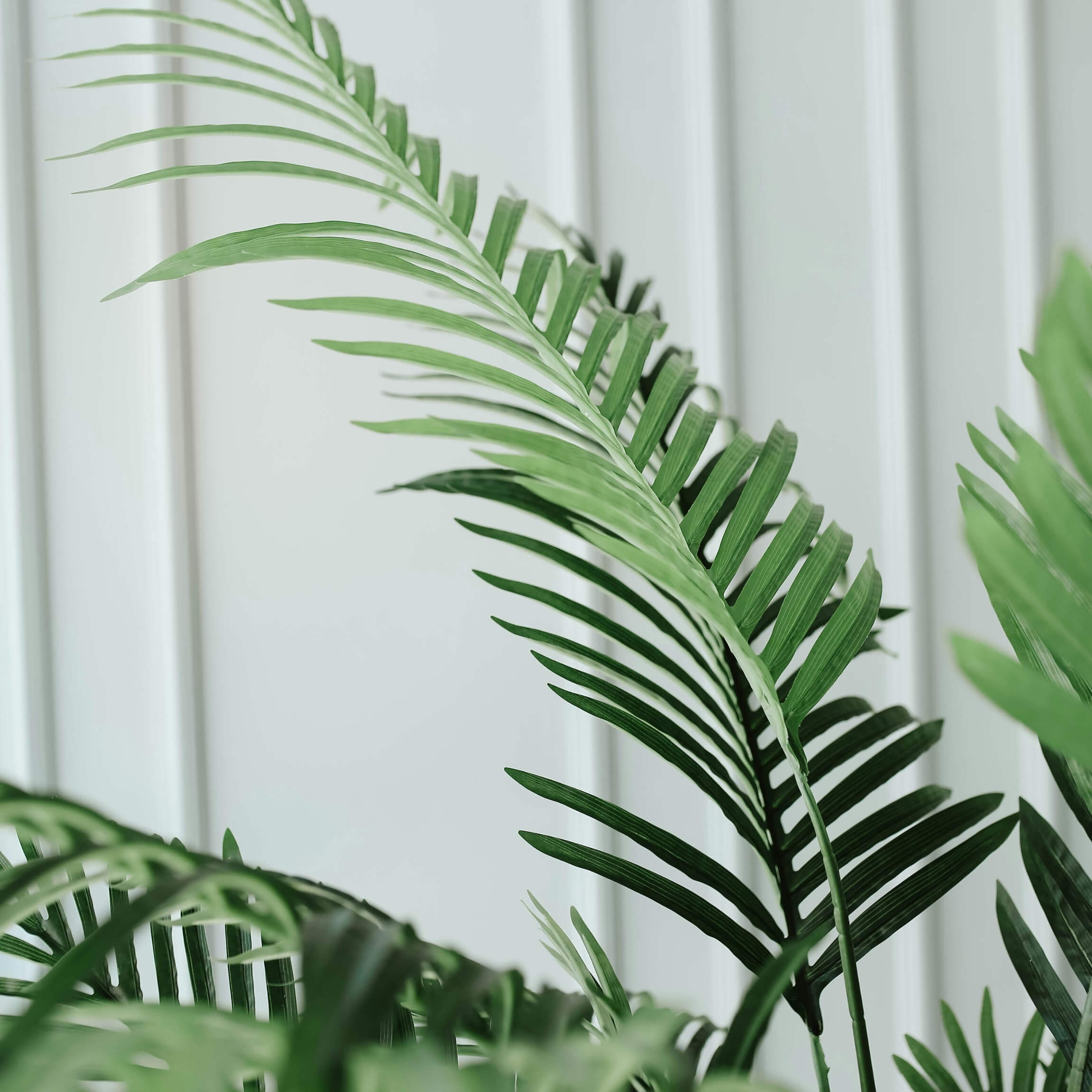
Dypsis lutescens (Areca palm)
In favorable home conditions, it can grow to over 2 meters, while in nature it reaches over a dozen meters. The Areca has striking feathery leaves and brings a tropical vibe to any interior. It likes bright, indirect light and moderate watering.
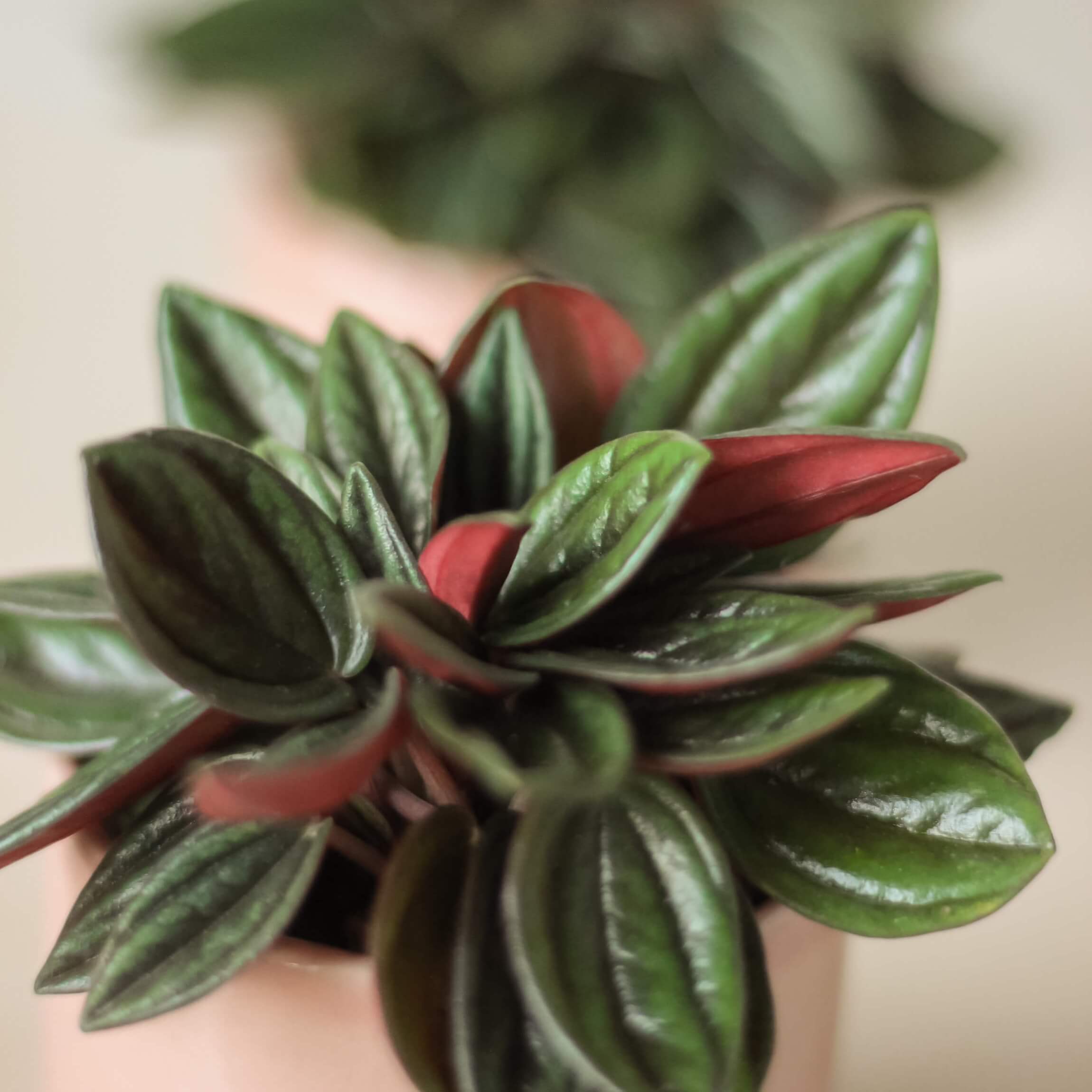
Peperomia (peperomia; various varieties)
It has a compact habit and characteristic, fleshy, slightly shiny leaves. It is easy to care for and will even forgive occasional drying out. It prefers a spot with indirect light. It is quite easy to confuse it with Pilea (the so-called Chinese money plant) due to the round shape of its leaves. Fortunately, both plants are safe for pets.
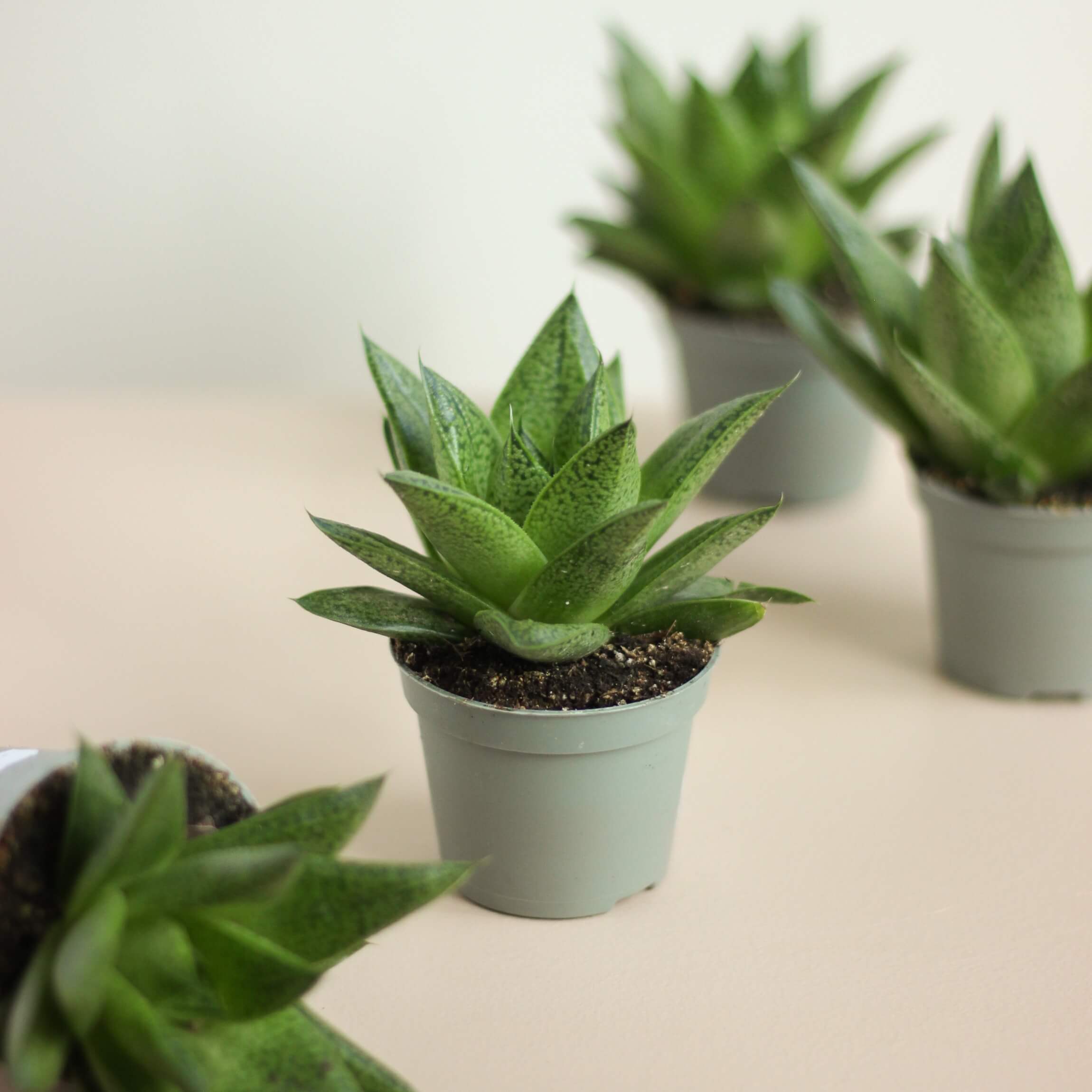
Haworthia (haworthia; various varieties)
This is a genus of succulents native to southern Africa that grow in rock crevices in nature. They need plenty of light but do not tolerate direct, harsh sun. Their leaves have the ability to store water for long periods of drought, so with haworthias, you should be especially careful not to overwater them. At the same time, haworthias are easy to grow and are pleasing to the eye with their characteristic rosette shape.
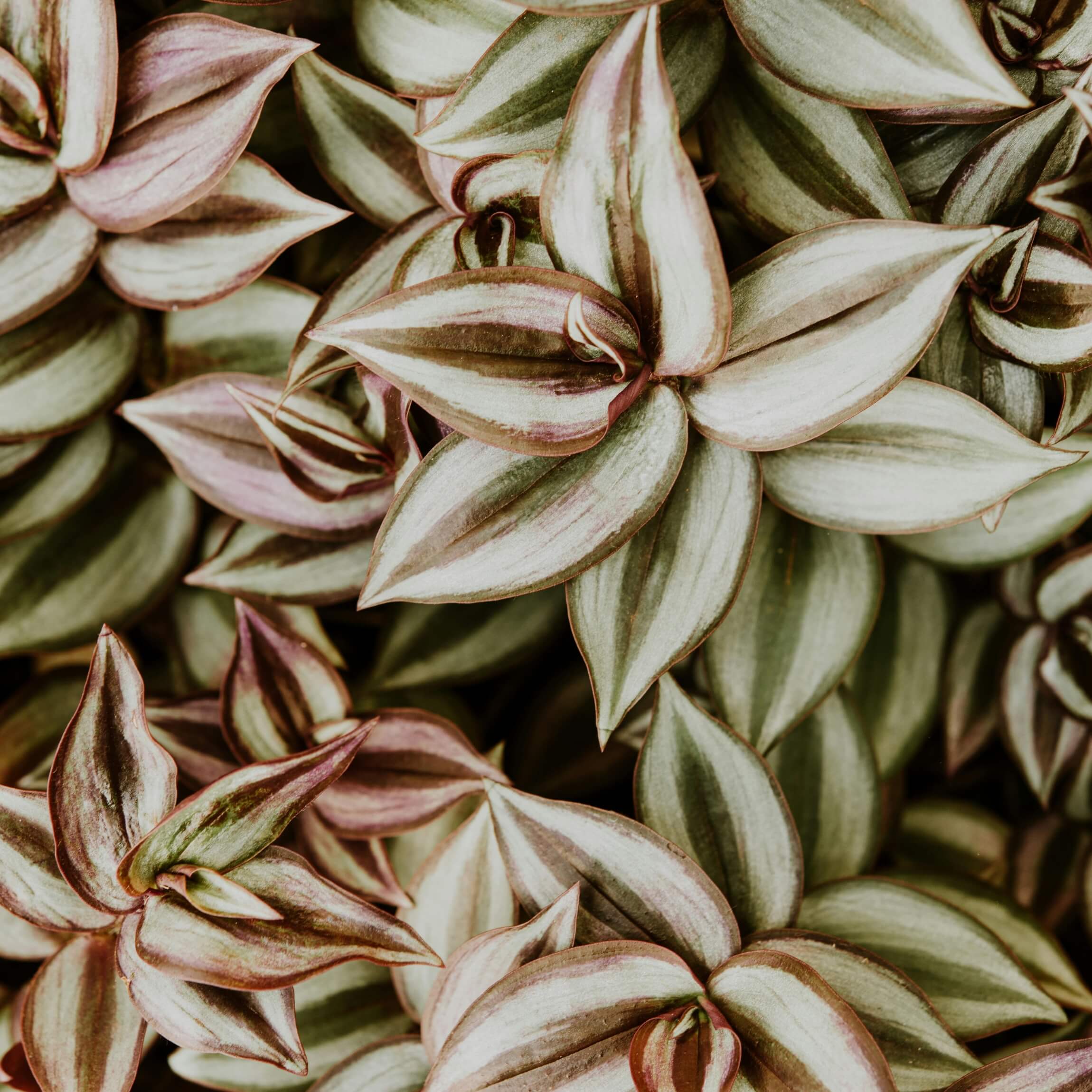
Tradescantia zebrina (inch plant)
It immediately catches the eye thanks to its purple leaves with an interesting, metallic sheen. It roots very quickly, making it perfect for propagation. It requires a bright spot and works well in hanging arrangements - its stems will then form a beautiful cascade and a natural interior decoration.
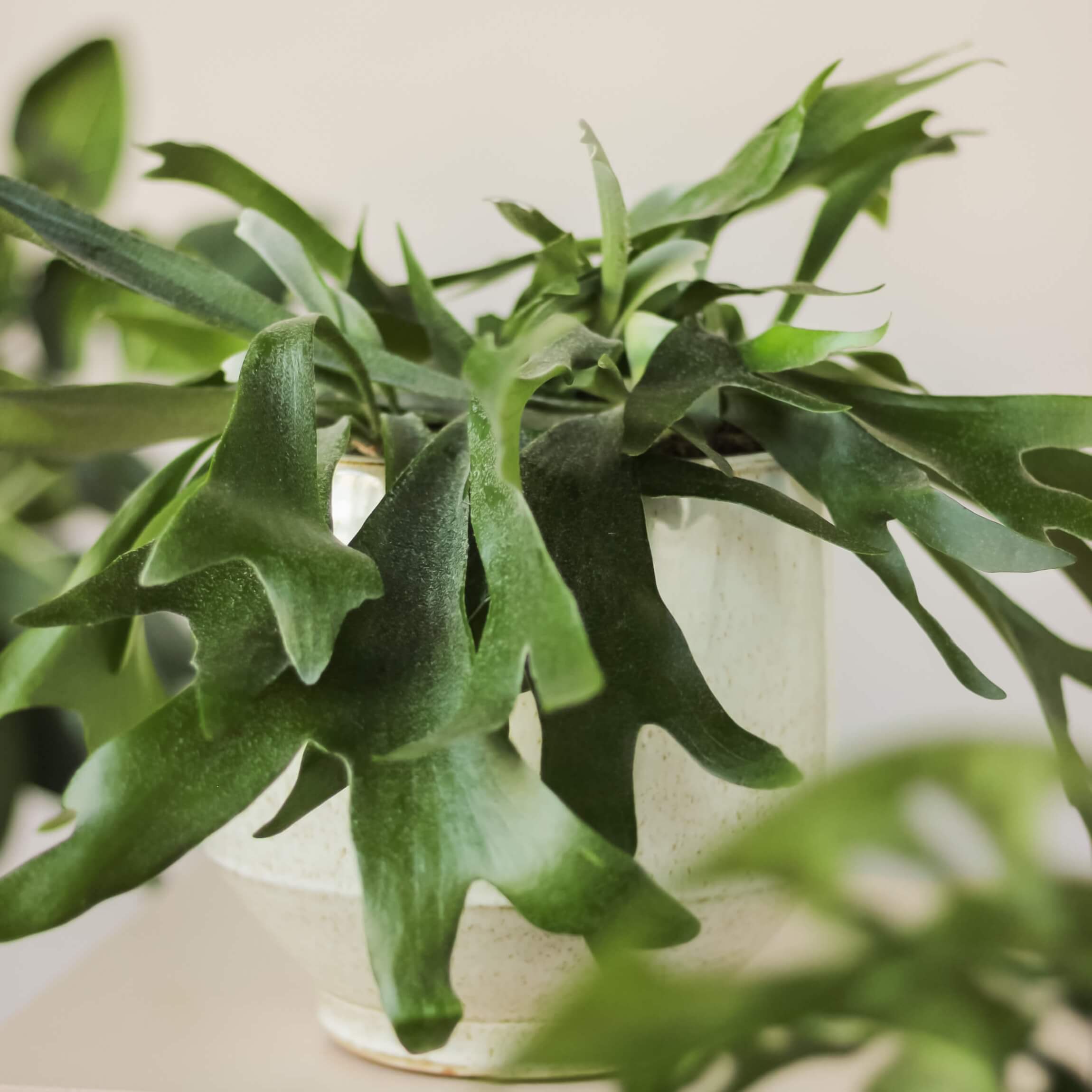
Platycerium bifurcatum (staghorn fern)
This plant is classified as a fern and an epiphyte, which means that in nature, staghorn ferns can grow both on tree trunks and in the ground. In home conditions, we can place staghorn ferns in a light, permeable substrate or mount them on a board or a grid with moss (sphagnum). This specimen is distinguished by the extremely decorative shape of its leaves, making the staghorn fern an ideal choice for diversifying a plant collection.
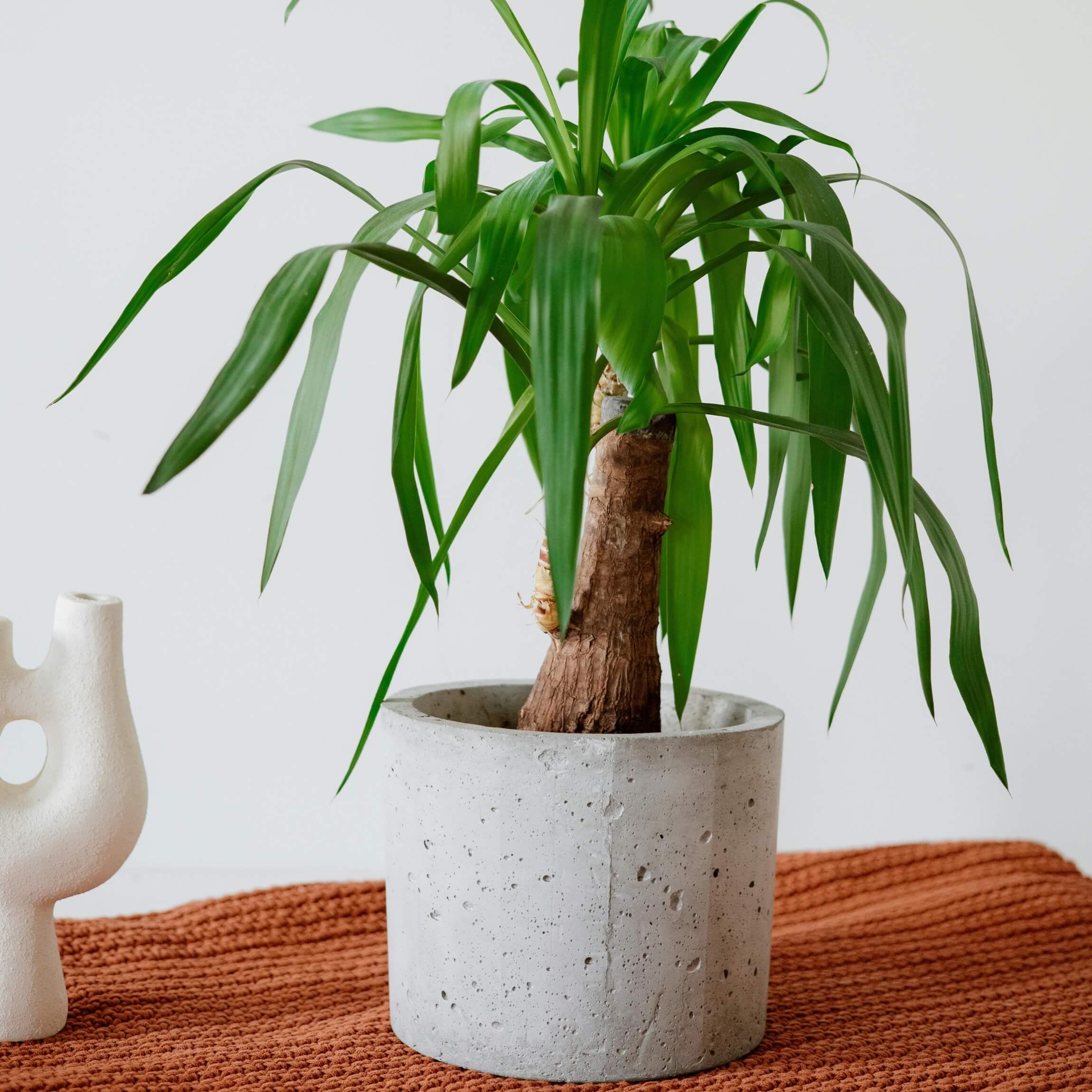
Yucca guatemalensis (spineless yucca)
The spineless yucca comes from Central America and is distinguished by a heavily woody trunk structure, in which the plant stores water, which also makes it resistant to temporary drying out. It prefers bright places, preferably with indirect light - without harsh sun. Too little sunlight, however, can significantly slow its growth.
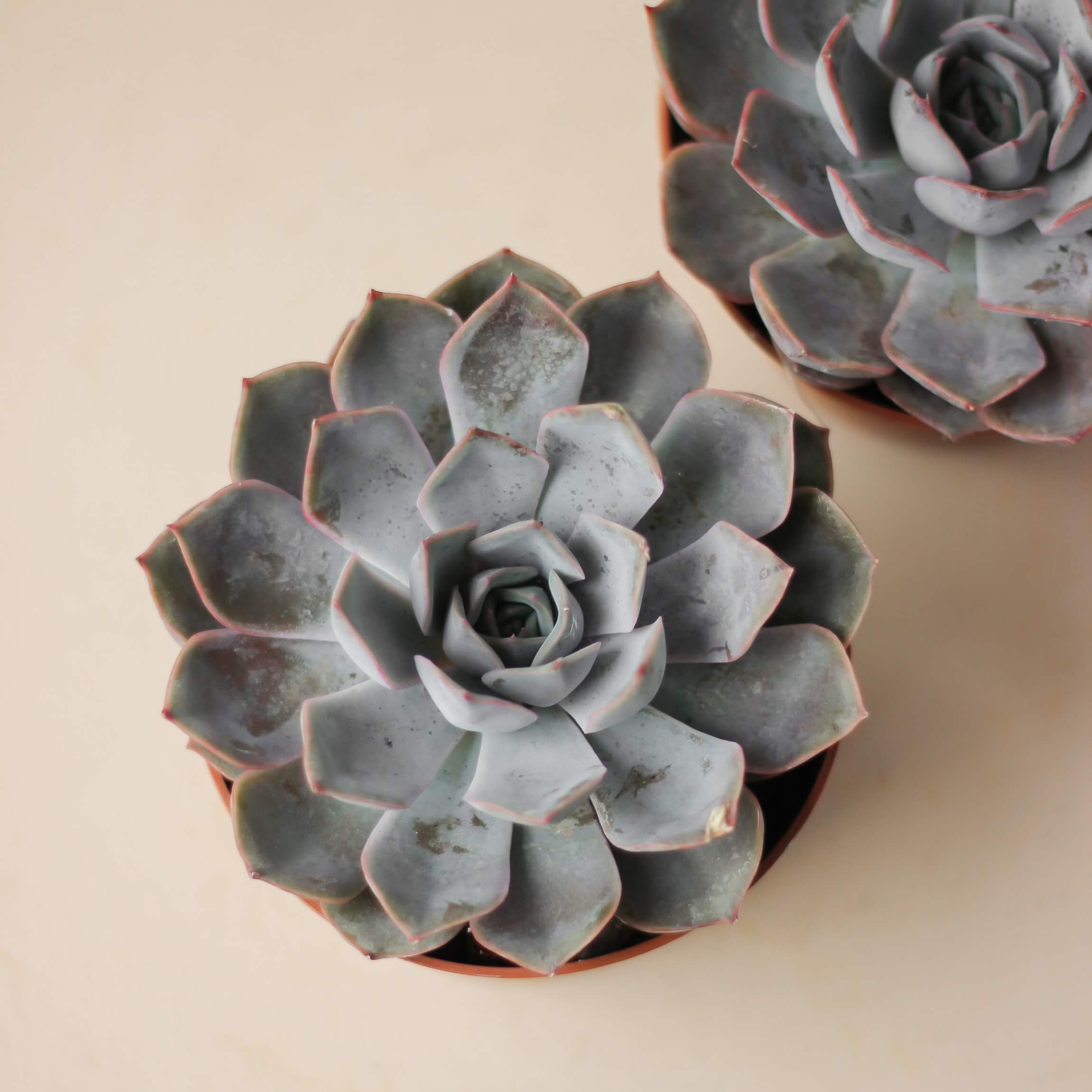
Echeveria subsessilis (echeveria)
This succulent from Mexico is characterized by rosette leaves that can take on a pinkish hue depending on light access. Echeverias like bright spots, but like most succulents, they react poorly to prolonged moisture in the substrate. Moreover, the powdery, waxy layer on their leaves (the so-called epicuticular wax) protects them from water evaporation. Be careful not to wipe it off during care procedures (e.g., cleaning dust off the leaves).
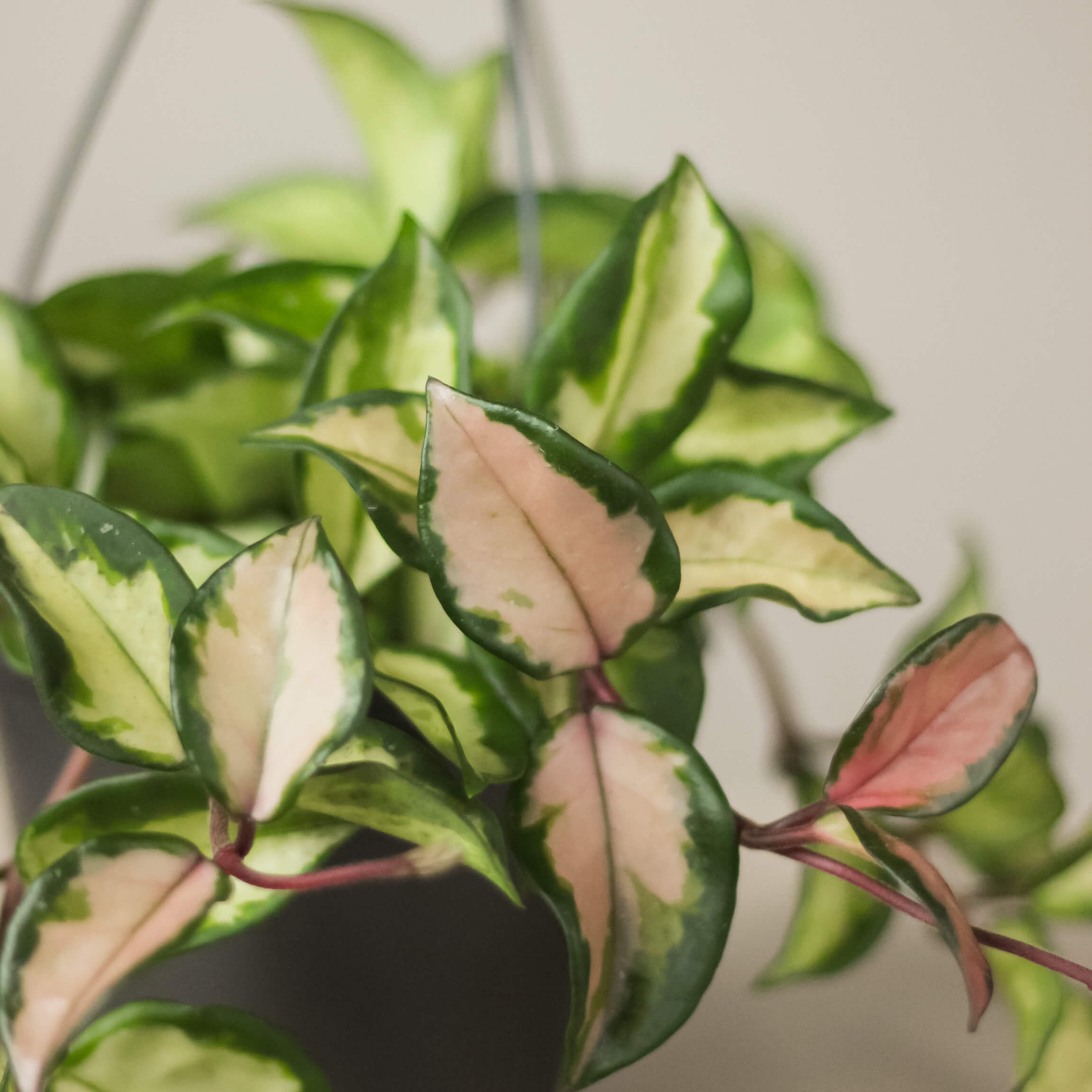
Hoya (wax plant; various varieties)
Hoyas are graceful, long-lived vines with leaves that come in many shades of green. Their charming pink flowers emit an intense, sweet fragrance and appear on the same peduncles year after year, so they should not be removed after blooming. Hoyas grow best in relatively tight pots, which further encourages them to flower.
Plants toxic to cats and dogs
These popular houseplants, while undeniably beautiful, should not be kept in your home or office if you have a dog or cat. The list applies to all varieties:
- Spathiphyllum (peace lily)
- Dieffenbachia (dumb cane)
- Monstera (Swiss cheese plant)
- Philodendron
- Zamioculcas (ZZ plant)
- Hedera (English ivy)
- Ficus (fig)
- Aloe vera
- Sansevieria (snake plant)
- Euphorbia
- Codiaeum variegatum (croton)
- Zantedeschia (calla lily)
- Anthurium (flamingo flower)
- Dracaena
Symptoms of poisoning in cats or dogs – what to do?
Even the most conscious and responsible owner cannot always predict their pet's behavior. A moment of inattention is all it takes, and… a problem arises. Symptoms of poisoning can vary depending on the species ingested, as well as the animal, its weight, and its general state of health, but there are several universal indicators. Remember them!
Early symptoms (on average 1-4 hours after ingestion)
- Drooling and pawing at the mouth
- Vomiting and nausea
- Diarrhea
- Loss of appetite
- Lethargy
Advanced symptoms (from several to over a dozen hours after ingestion)
- Seizures and loss of coordination
- Difficulty breathing
- Swelling of the mouth and throat
- Redness, blisters, or skin ulcers
If you suspect your pet has come into contact with a toxic species, first and foremost, stay calm—panic won't help you or your animal. If possible and safe, remove any plant remnants from your pet's mouth. Do not try to induce vomiting—some substances present in plants can cause further damage to the esophagus. Contact your nearest veterinary clinic as soon as possible and describe the symptoms you have observed. If you know it, provide the name of the species, as well as the animal's weight and the approximate amount of the plant consumed. Always follow the veterinarian's instructions—do not use home remedies or waste time searching for information on internet forums! If an immediate visit to the clinic is necessary, take a sample of the plant with you if possible—this will help the veterinarian identify the toxic substance.
Projekt Rośliny – greenery for the office and home
When choosing plants for an office or home, it is worth being guided not only by aesthetics but also by an awareness of their impact on the well-being of those using the space, including those with tails and claws. Well-planned greenery decorates an interior and creates a safe and friendly environment.
At Projekt Rośliny, we help companies, architects, and individual clients arrange interiors with plants tailored to the conditions of the space and the needs of its users. We prepare plant arrangement designs, as well as carry out installations and we service green arrangements in offices, hotels, and restaurants in Wrocław,Warsaw and beyond.