
How to care for plants in spring? It only takes a few simple steps!
How to care for plants in spring? We have prepared a few essential steps for spring plant care to help them transition into the season and keep them healthy.
Warm breezes can be felt outside, winter coats are slowly finding their way to the back of our closets, and carpets of snowdrops and primroses have finally appeared in the parks. This can only mean one thing: spring has finally arrived! Just like us, having longed for this moment for so many months, our plants are also on high alert, ready to burst with new life energy. How can we help them transition into the new season and ensure they stay beautiful and healthy? We have prepared a few essential spring care steps just for you.
Repotting: time for some dirty work!
Admittedly, repotting plants can be a time-consuming and tedious task, especially if your collection goes beyond a few ficuses, but it is an incredibly important process that your plants will surely thank you for. Many people approach this task with some uncertainty or even anxiety, so we will help you navigate this process, which is actually much simpler than it seems. Here are a few key steps:
Carefully checking the roots
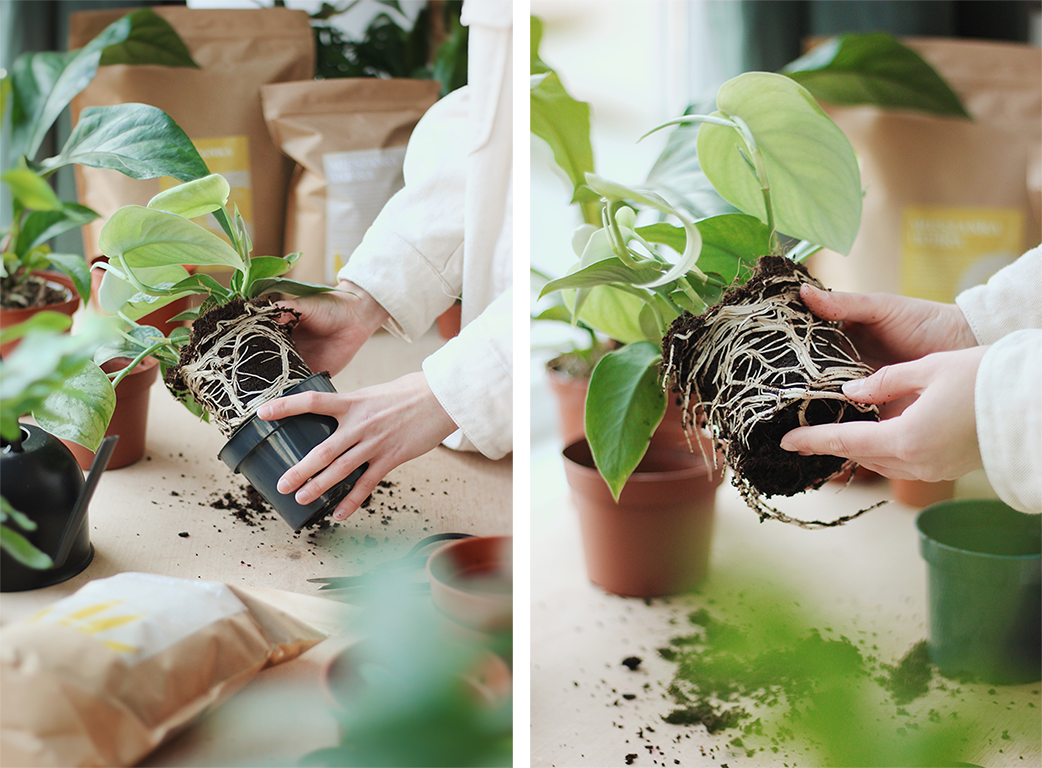
Gently remove the plant from its pot and examine the root ball. You can carefully loosen the roots and shake off any excess soil. Place a handful of expanded clay pebbles at the bottom of the new pot, followed by a layer of fresh potting mix. Place the plant in the container and fill in around it with soil. The plant should sit firmly in the pot, but be careful not to pack the soil too tightly, as it needs to allow for proper water drainage.
The right pot size
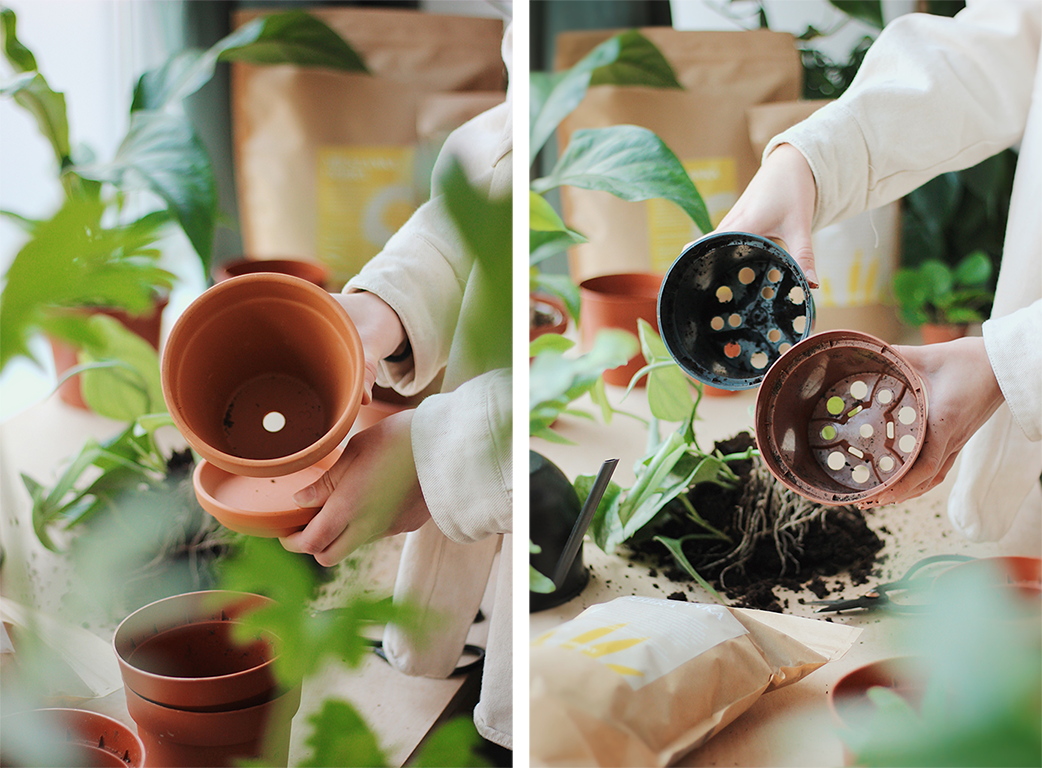
If you see roots growing out of the drainage holes, it is a clear sign that your plant needs a larger container. When repotting, always choose a pot that is one size larger, meaning about 2 cm larger in diameter. It is important that the new pot is not too big, otherwise the plant will focus all its energy on developing its root system to fill the empty space, which will slow down the growth of the foliage.
Choosing the right substrate
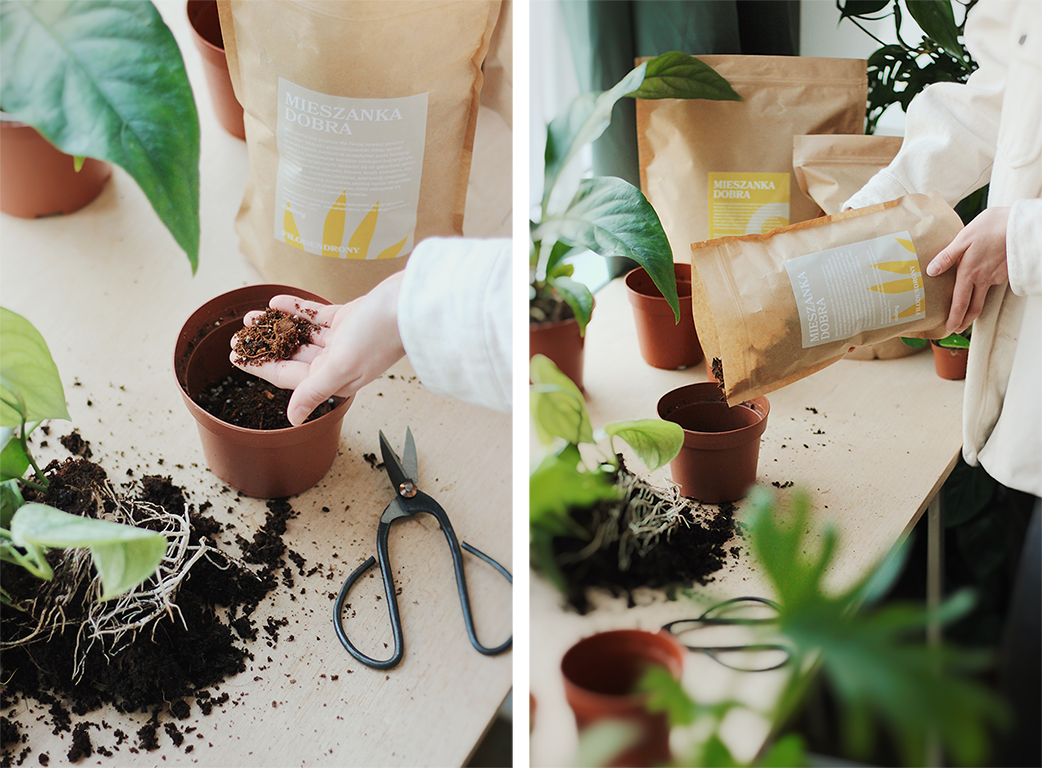
The most important thing is for the potting mix to be well-drained and permeable, but remember that each species has different needs, so it is worth considering the right type of substrate.
Spring cleaning!
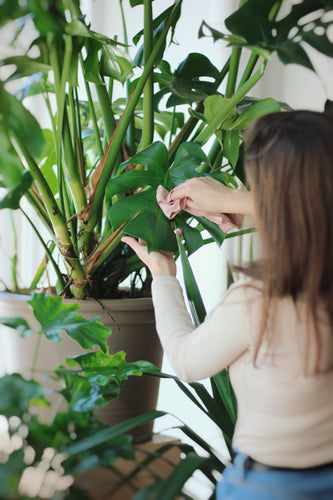
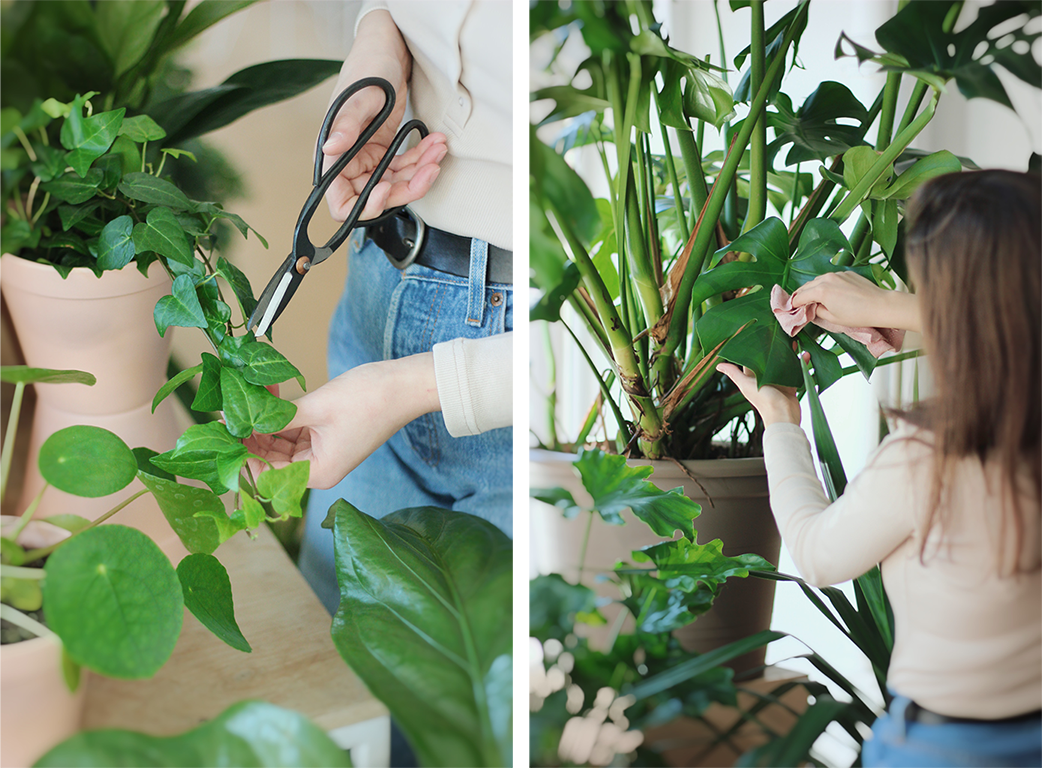
Once you have cleaned all your windows and more light starts streaming into your home, don't forget to show your plants the same care so they can enjoy the sun too. First and foremost, gently wipe the leaves to remove dust, cobwebs, water spots, and any dirt that may have accumulated. This will keep the leaves looking beautiful and shiny, and allow the plant to nourish itself properly. Also, remember to remove any dead or dried-up leaves from the pots, and trim away any yellow, wilted, or diseased foliage. If you notice signs of pests or diseases that may have attacked your plant over the winter after your initial cleaning, apply the appropriate treatments.
Choosing the right location
Remember that light conditions in our homes change depending on the season. On one hand, the days are getting longer in spring, but on the other, the trees outside may be leafing out again, partially blocking the light from reaching your home. Assess how sunlight moves through your space and position your plants according to their preferences. You likely know your plants well enough by now to know which ones will thrive in a south-facing window, bathed in sunlight like Hoyas or Ceropegias, and which prefer slightly more shaded corners, like Aglaonemas or Philodendrons.
Proper watering.
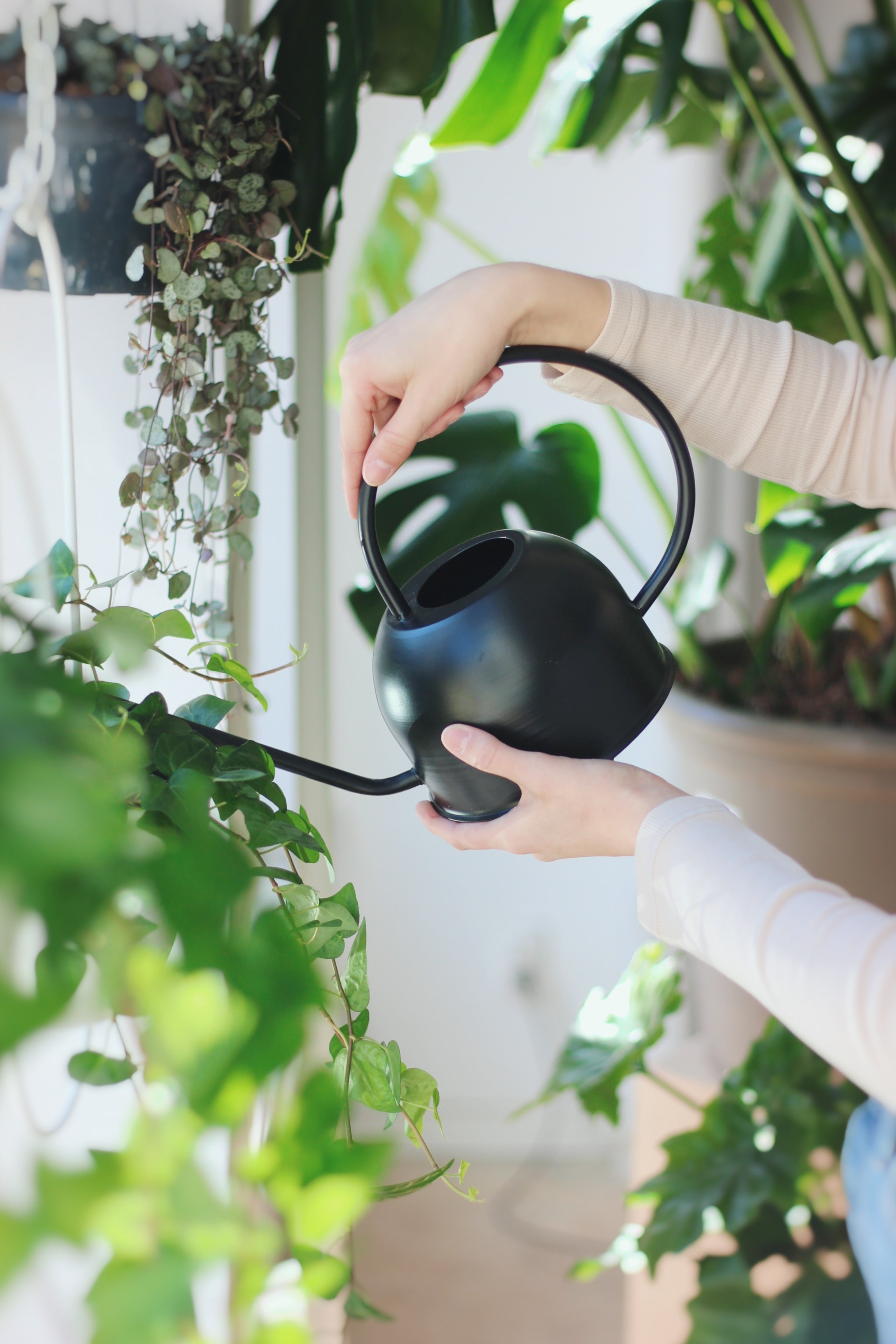
The time has come for the final step, which is just as important as the others. Keep in mind that your plants will start receiving more heat and light, which signals that it is spring and time to grow! During this period, your green companions will need more water than during the sleepy winter months, but remember to monitor your watering carefully at first to adapt to their needs and avoid overwatering. Always check the soil moisture by simply inserting your finger into the substrate. Also, consider that some plants require high humidity, so remember to mist the leaves or invest in a humidifier.
We hope you feel ready for your spring plant care. In short, there is nothing left to do but roll up your sleeves and get to work, because spring won't wait!


