Plants for beginners: which species are best to start your green adventure with
Which plants are easy to grow? Learn how to get started with plants. Which species are best for beginners? What do you need to know and prepare?
Everyone around you is showing off their plants, and the topics of conversation over evening wine with friends are how many specimens from their home collections have sprouted new leaves, what to fertilize ficuses with, and which air humidifier is best for an alocasia? Do you listen to this knowing that your apartment windowsills are empty and the cactus you brought from your family home died two weeks after you moved in? Do you dream of a selfie among lush greenery, plants trailing over the bathtub, or simply a few specimens that will last longer with you? Below, we present the top 10 species for beginners. With these plants, your green adventure will really take off!
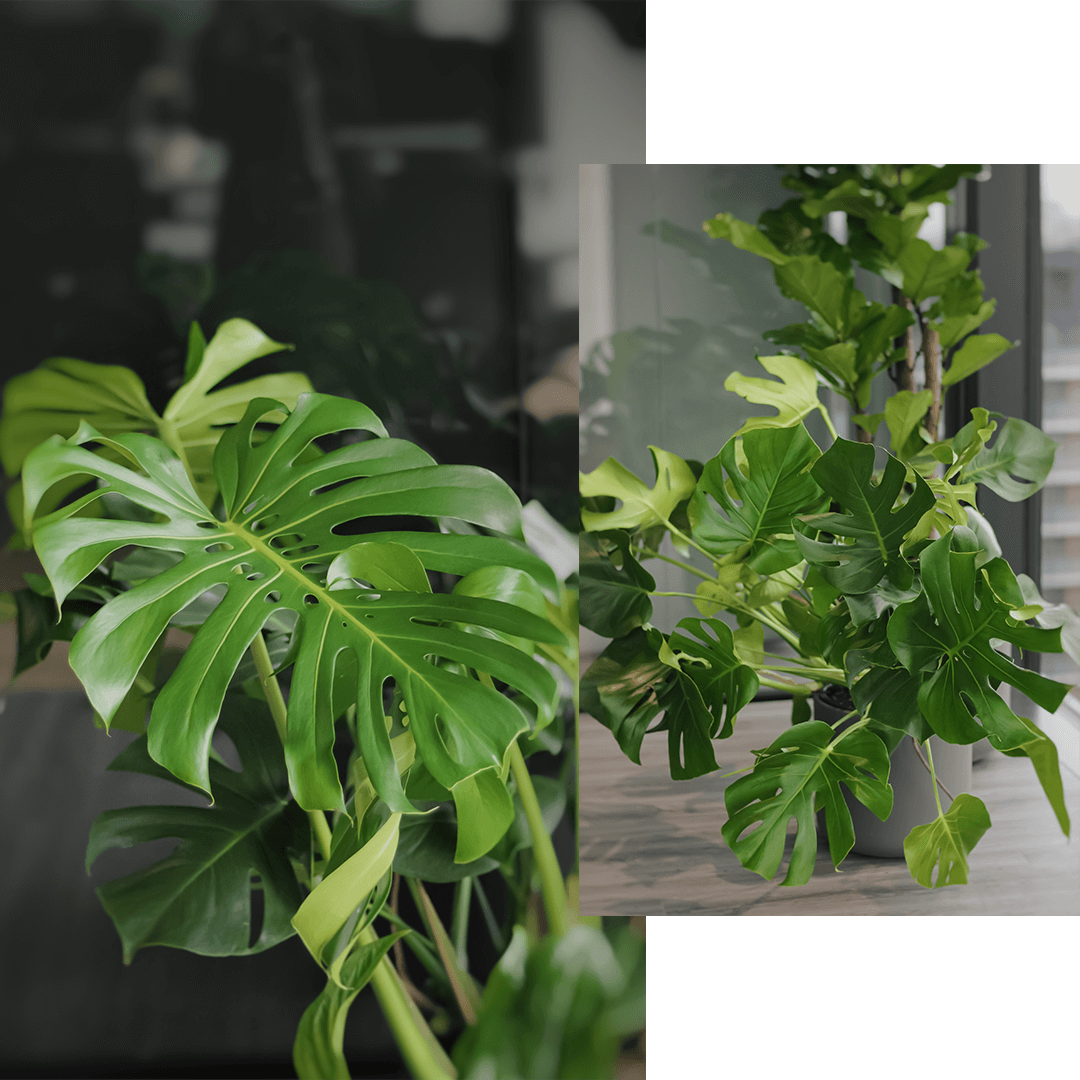
1. Monstera deliciosa
The queen of queens, which needs no introduction. It comes from the humid forests of Central and South America and has been a star in home living rooms for a long time. Thanks to its ease of care, it is the perfect option for a first-timer. What it definitely needs is a spot with indirect light. When it comes to watering, Monstera doesn't like irregular access to water. The best method is to check the soil with your finger – if it has dried out, you can water it, but if it is still moist, it is better to hold off on adding water to its pot. This plant can reach monstrous sizes. Monsteras grow very quickly, so be prepared to host a green giant under your roof!
2. Ceropegia woodii
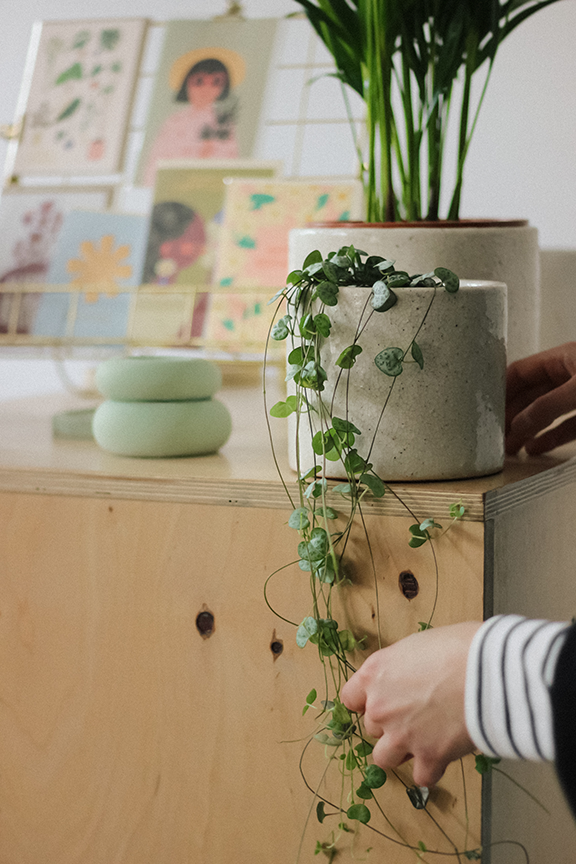
Time for our favorite. There are many species of this beauty, but we love the classic Ceropegia woodii, which is a semi-succulent originating from the rocky African mountains. It is a graceful plant that will easily find its place in any home, not just with experienced professionals, but also with people who are just starting their green journey. We appreciate it most for two things: first, it is not a demanding species, and second, its leaves are shaped like little hearts – isn't that adorable?
3. Philodendron scandens
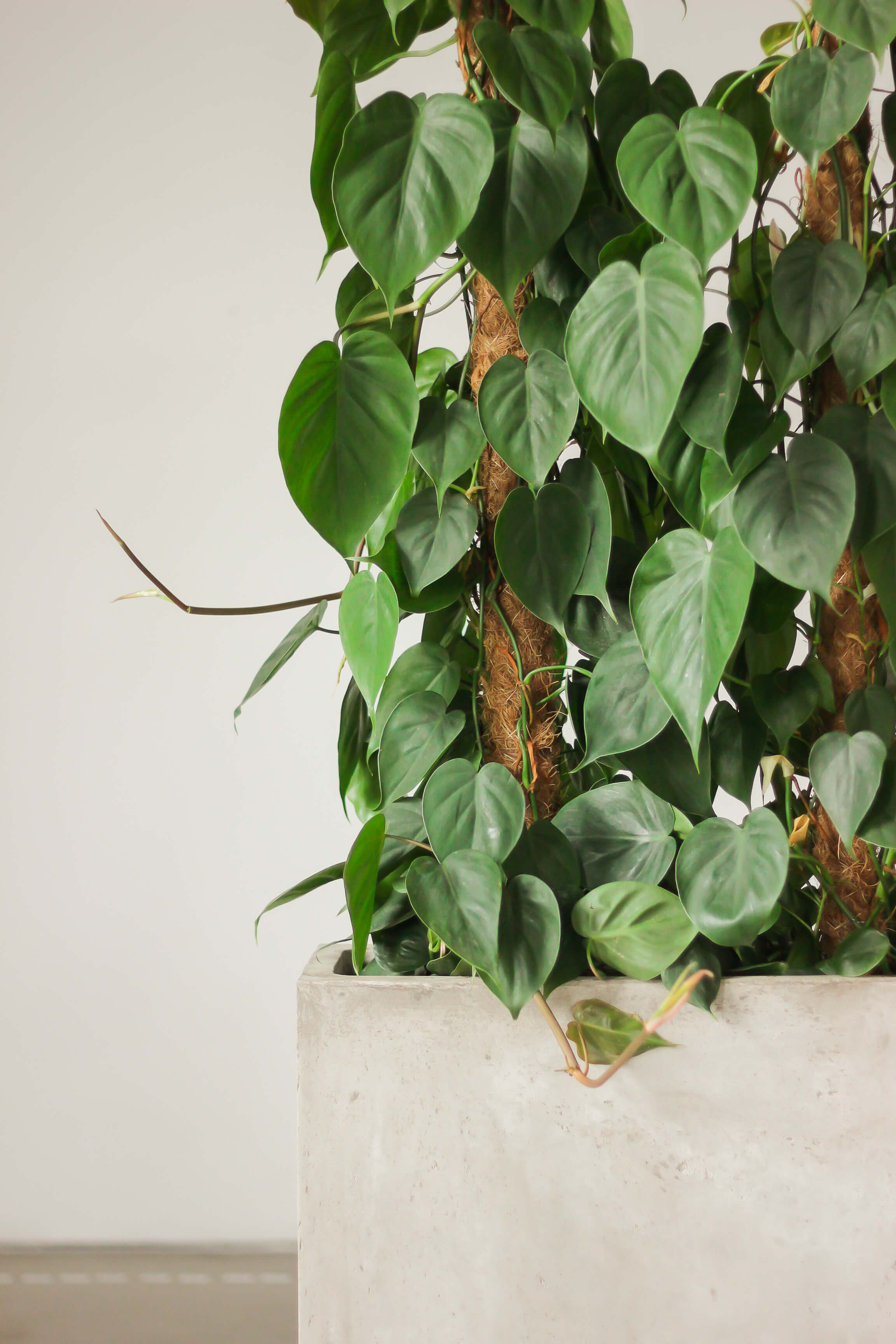
A philodendron that is commonly called the heartleaf philodendron due to the shape of its leaves. We love its color – it is a deep, expressive green with a slight sheen. This plant will delight everyone with its rapid growth. To be a happily surprised owner of this wonderful philodendron, all you need to do is provide it with a bright spot with indirect light and enough space to grow. This species can trail or climb upwards on a rough surface, such as a coconut pole or a wooden ladder. Interestingly, when grown this way, it will produce larger leaves. This little philodendron will thank you for regularly wiping dust off its leaves and misting it with a delicate spray.
4. Scindapsus pictus
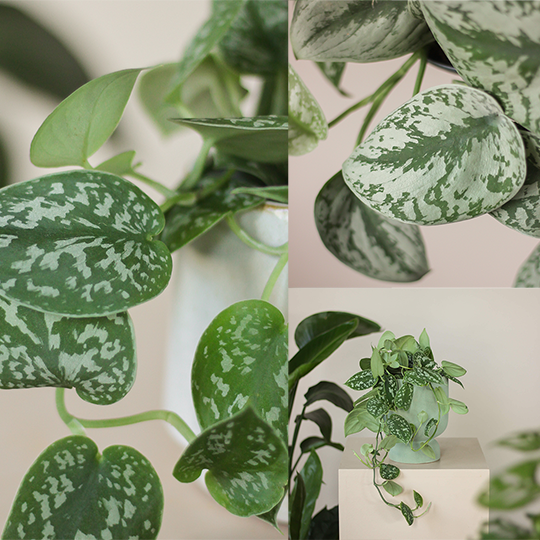
In terms of habit and growth pattern, it is very similar to the previously mentioned philodendron, but it stands out with its beautiful silvery pattern on the leaves. We have taken a particular liking to the low-maintenance varieties: 'Argyraeus' with silver spots and 'Trebie' with leaves that look like they are shimmering with frost. These two types are perfect for beginners and also tolerate slightly more shaded spots. Perhaps these are the perfect plants for your north-facing bedroom?
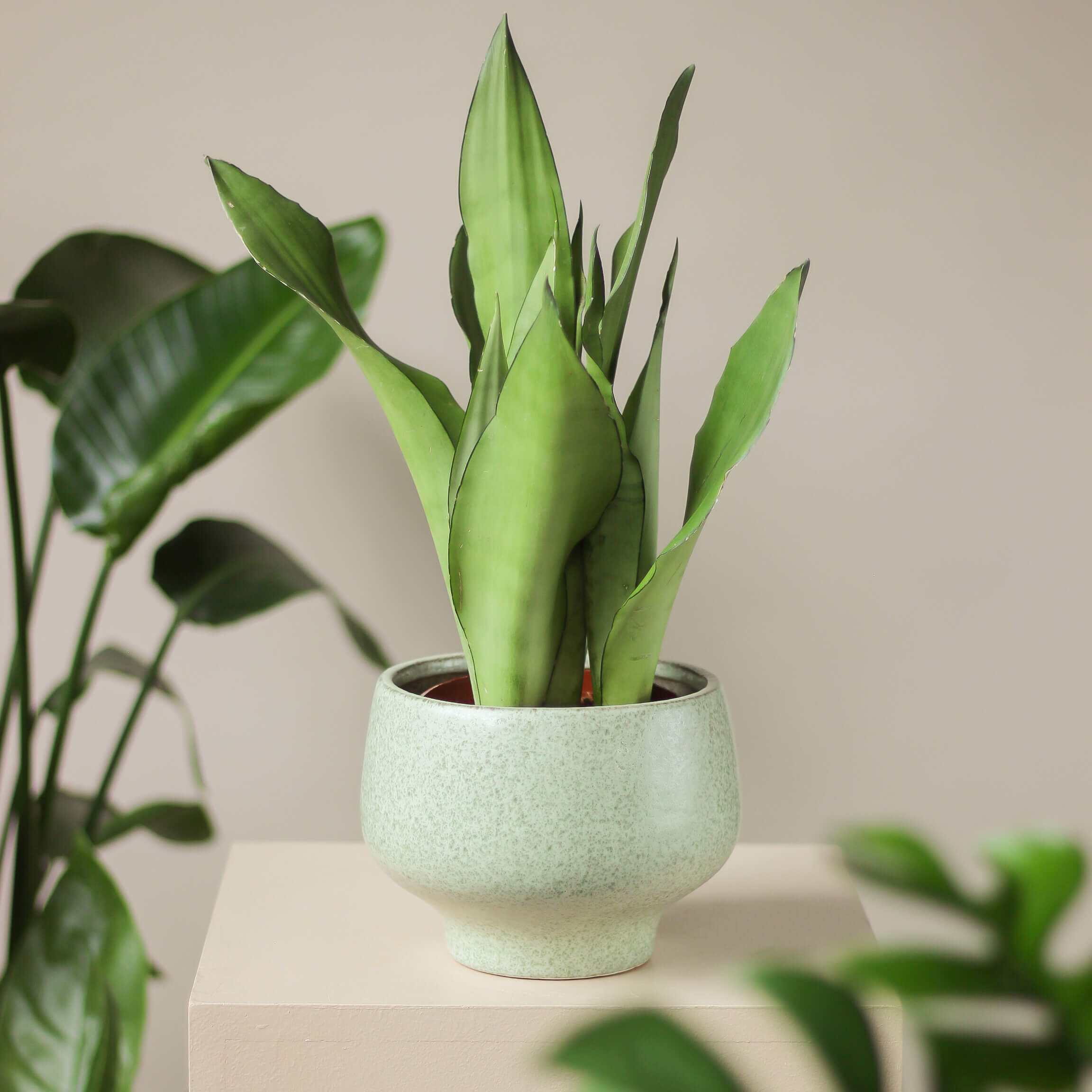
5. Sansevieria
When it comes to low light, the true master of coping with it is the Sansevieria. Its thick, narrow, upright leaves, which is why it is also called the snake plant, have many shades of green to offer. Depending on the variety, they can be pastel green, grass-green, liven up the surroundings with golden green, or intrigue with a deep, dark color. Most importantly, each of these varieties is extremely forgiving for beginners and forgetful plant owners, and only extreme overwatering can harm it.
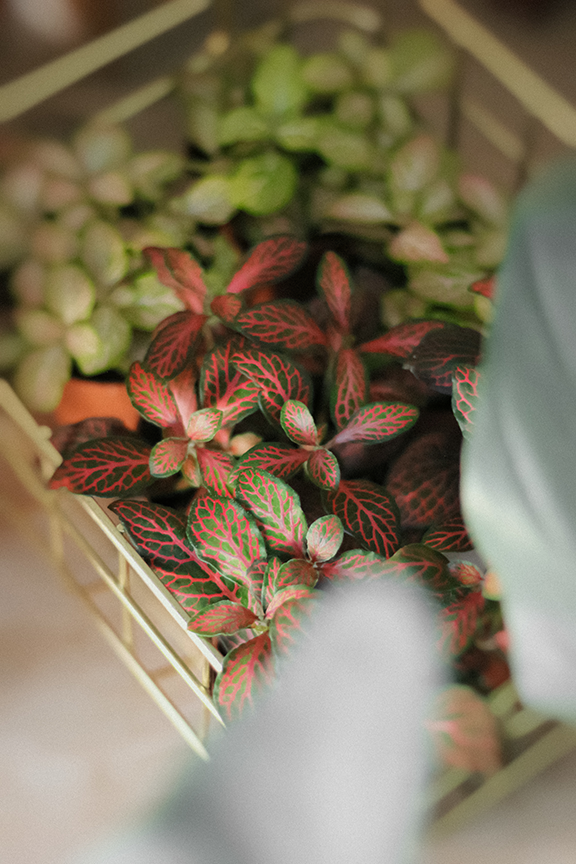
6. Fittonia
And now something for fans of windowsill miniatures. The tiny Fittonia is very... undemanding, as it only needs moist soil and a little light. In exchange for a cozy corner, it offers surprising works of art on its tiny leaves. You can admire a true feast of colors with contrasting veins and not worry that this joy will last only a moment. If you don't forget to water it regularly, the Fittonia will stay with you for a long time, and it won't be too expansive on your windowsill. It is also excellent for "forest in a jar" arrangements.
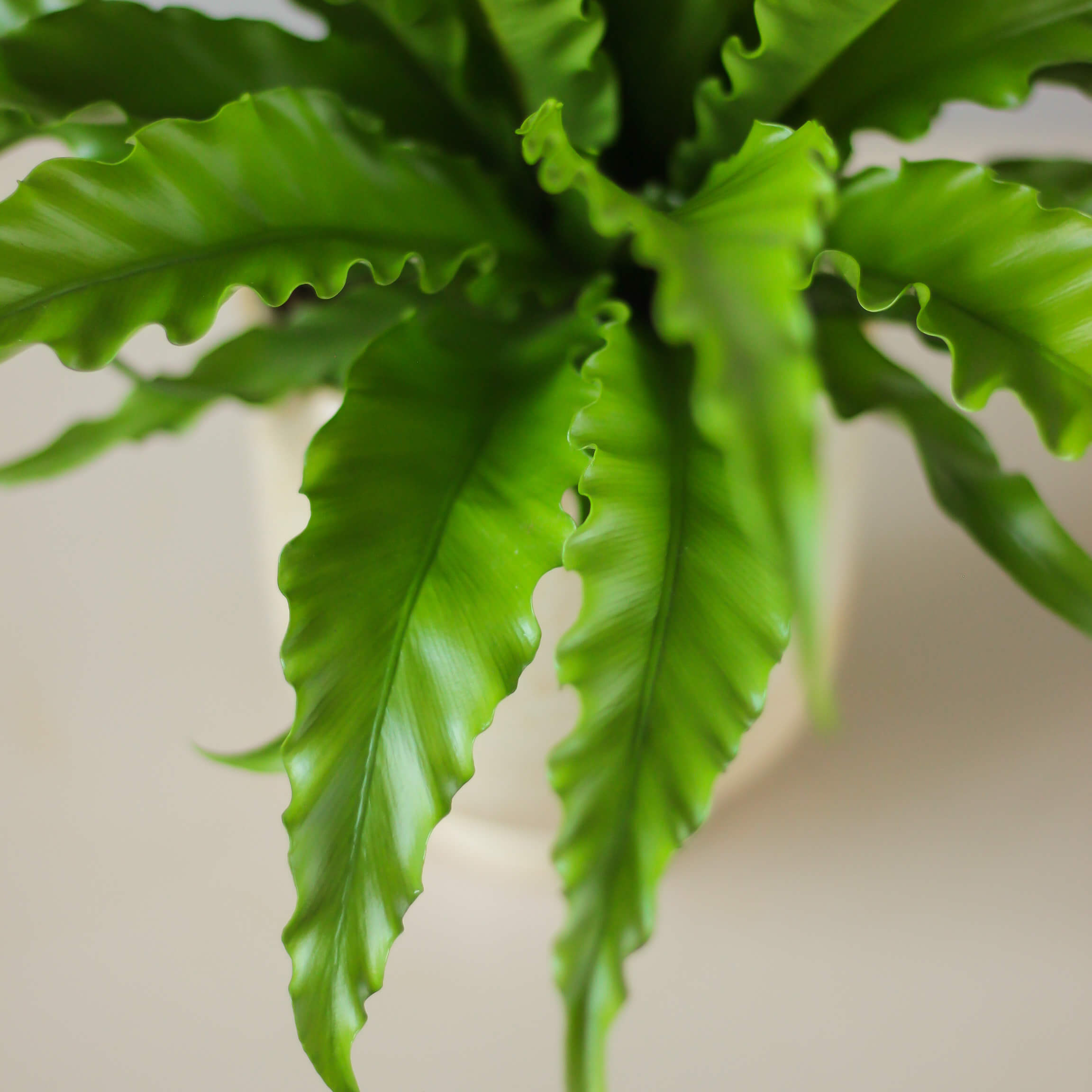
7. Asplenium
Since we are talking about the forest, the windowsills of plant novices will also be beautifully enriched by a plant from the fern family, namely Asplenium in the 'Crispy Wave' variety. The bird's-nest fern – as Asplenium is known in Polish – can be a bit temperamental and needs high air humidity, but the "crispy waves" of this variety are not that delicate at all. The stiff, fantastically wavy leaves of this fern only need a little light, fertile soil, and fairly regular watering. The only thing to watch out for is not to pour water into the center of the fern's rosette.
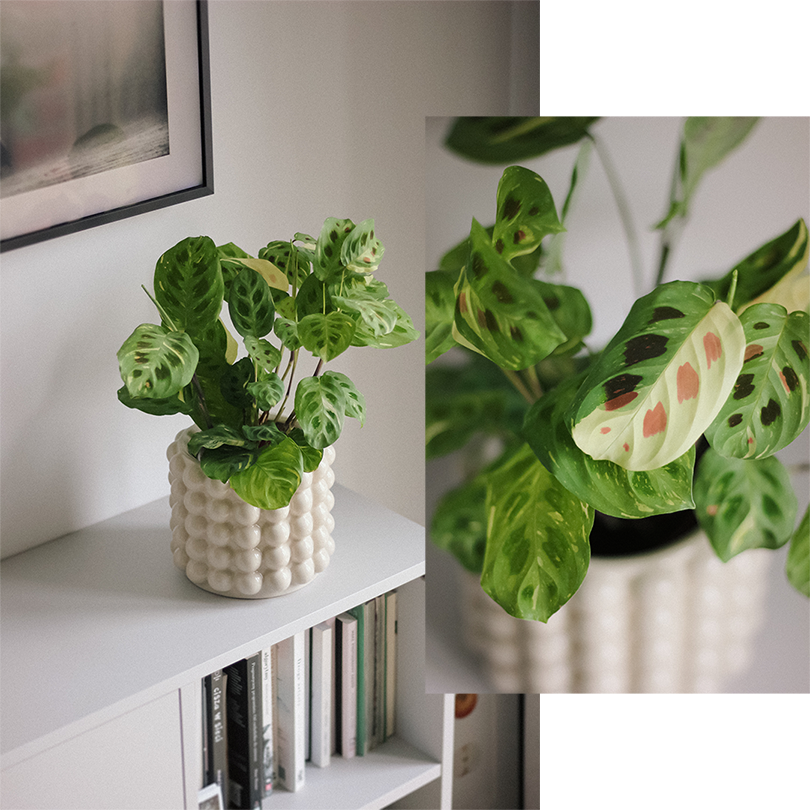
8. Maranta
Another easy-to-handle beauty is the Maranta leuconeura. We most often associate it with wonderful leaves in two shades of green with characteristic neon-pink veins – this is the 'Fascinator Tricolor' variety. We can also choose the lime-colored veins of 'Lemon Lime', chestnut spots on 'Kerchoveana', or a green-cream mix of stripes on the rare 'Light Veins' variety. The Maranta in every version requires only the basics from us and rewards us with rapid growth and a spreading, trailing habit. Interestingly, when night falls, the Maranta folds its leaves upwards – we can observe this moving phenomenon! For this reason, it is called the "prayer plant" – its leaves look like folded hands.
9. Epipremnum
This ubiquitous little plant probably needs no introduction. This species was likely created in some public institution, bred by the employees there :) In a word: it will settle in anywhere, and for extremely lush growth, it only needs a little bit of light and water. "Epi" doesn't have to be boring at all! In addition to the classic and most durable 'Aureum' variety, we can also be tempted by 'Marble Queen' with marbled leaves, 'Global Green' with green variegation, the white-spotted 'Happy Leaf', or the neon 'Golden Pothos'.
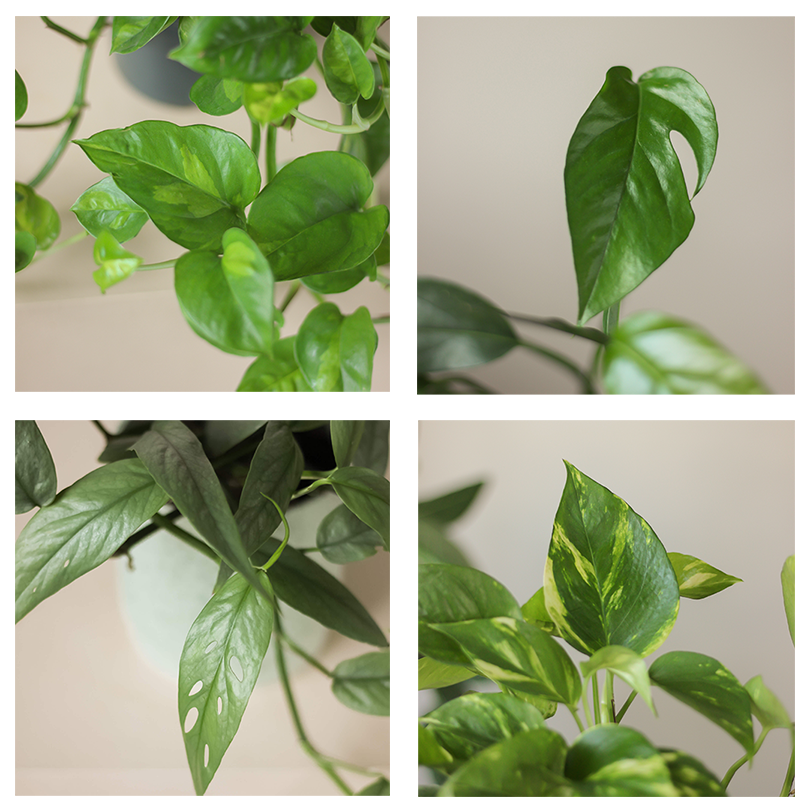
10. ZZ plant
Finally, a true survival master, known for thriving in tight pots and the darkest corners—the alien-like ZZ plant. If you’re particularly nervous about getting a green companion, this species is for you. It isn't bothered by low light, forgotten waterings, or dust on its leaves; the only thing it dislikes is overwatering, as its thick, fleshy stems will start to rot if they get too much water.
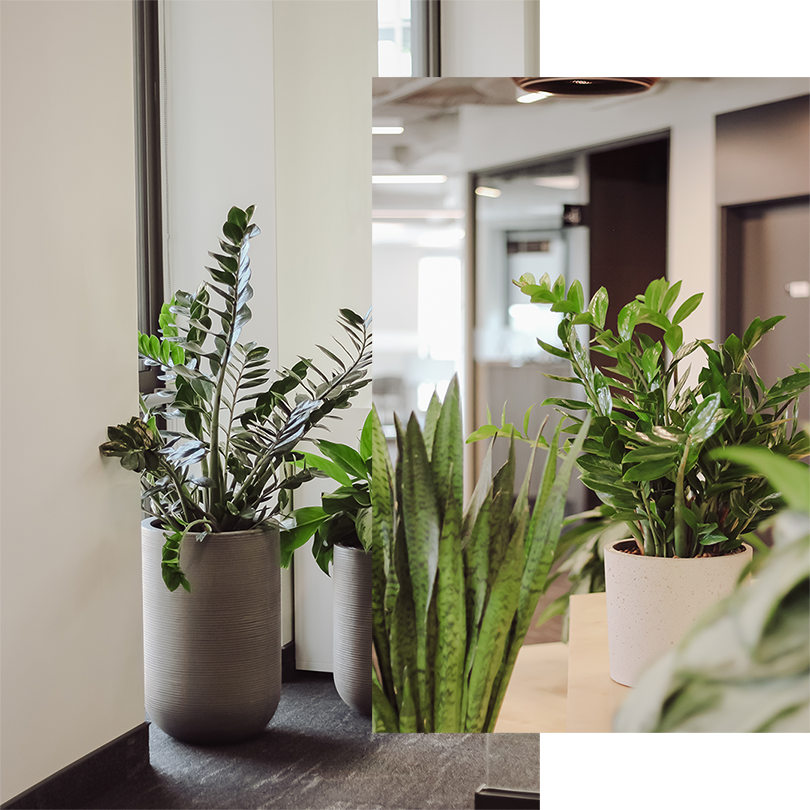
The selection of hardy plants that will forgive any care mistakes is much larger—it certainly includes the 'cuddly' cactus, Kalanchoe, basket fern, and bamboo palm, among others. It’s best to start your plant journey with a few specimens and slowly grow your collection over time, gradually gaining confidence and experience as a plant parent.
And if you ever need advice, you can always count on our help by sending us an email or a message on Facebook or Instagram. One thing is certain: it’s worth taking on the challenge and starting to surround yourself with plants!