When should you fertilize plants in the spring? The best time to support your houseplants
Find out when to start fertilizing your houseplants to ensure healthy growth. Read our practical guide and take care of your plants!
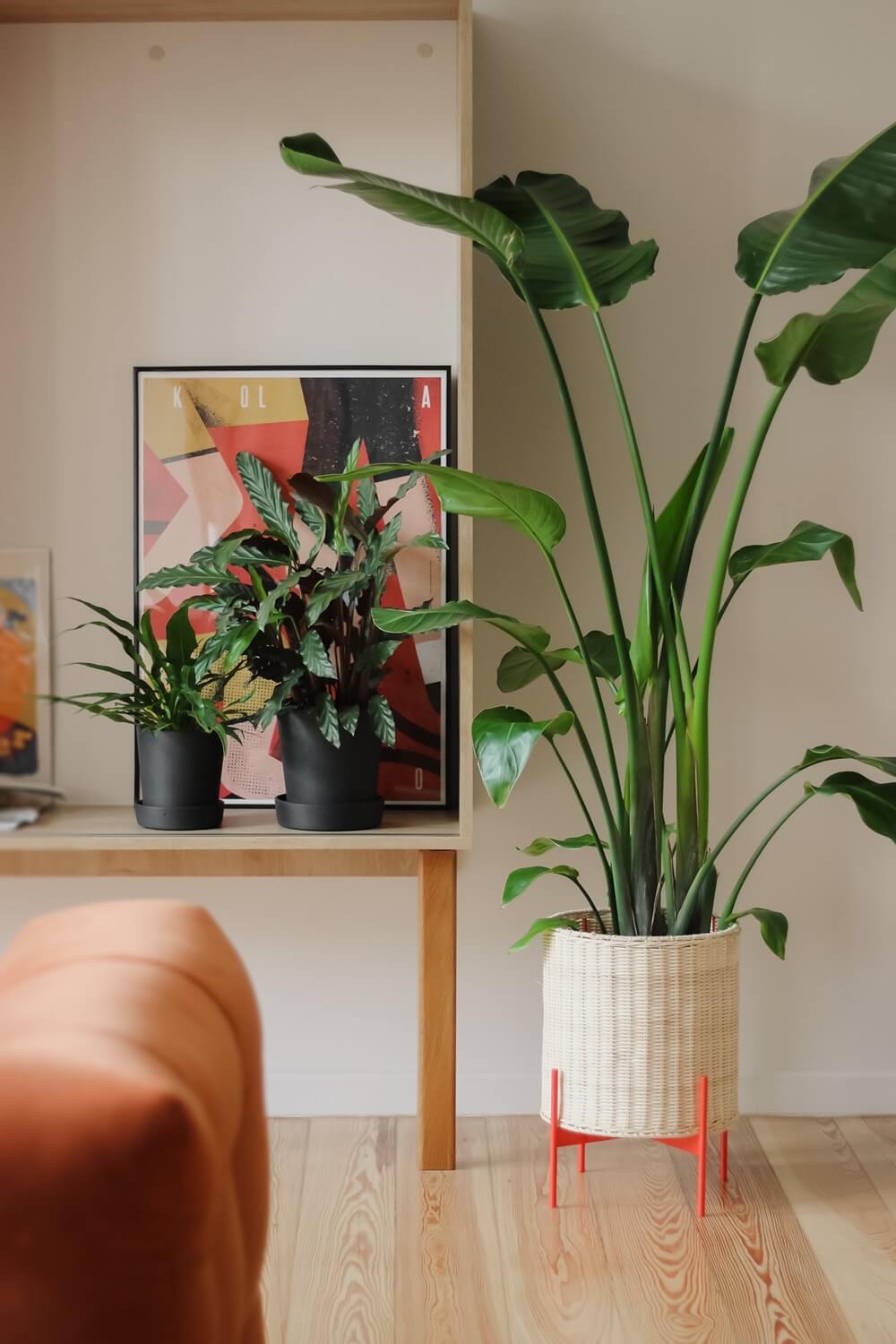
Finally! It’s time to say goodbye to winter for a few months. We aren't the only ones who were starting to feel like this moment would never come. Our houseplants are also starting to celebrate the arrival of spring, reaching more boldly toward the windows and slowly unfurling new leaves. This is a great time to focus on their recovery after the winter dormancy and start fertilizing your potted flowers. If you want to help your green companions wake up from their winter slumber, read on!
When should you start fertilizing plants after repotting?
Spring is a period of intense growth for most houseplants. As days get longer and light becomes more intense, plants wake up and begin a new growth cycle. After a long winter, they need extra nutrients to produce new leaves, stems, and flowers. The best time to start fertilizing is between late March and early April, but as always, it is worth observing your plants—when you see the first signs of new growth (fresh shoots, buds, lighter leaves), it is a signal to start fertilizing. On the other hand, fertilizing too early or too intensely can harm plants that have not yet emerged from their dormant period. It is also important to provide nutrients in the right proportions to avoid an excess or deficiency of any single component.
What if we used potting soil with added fertilizer?
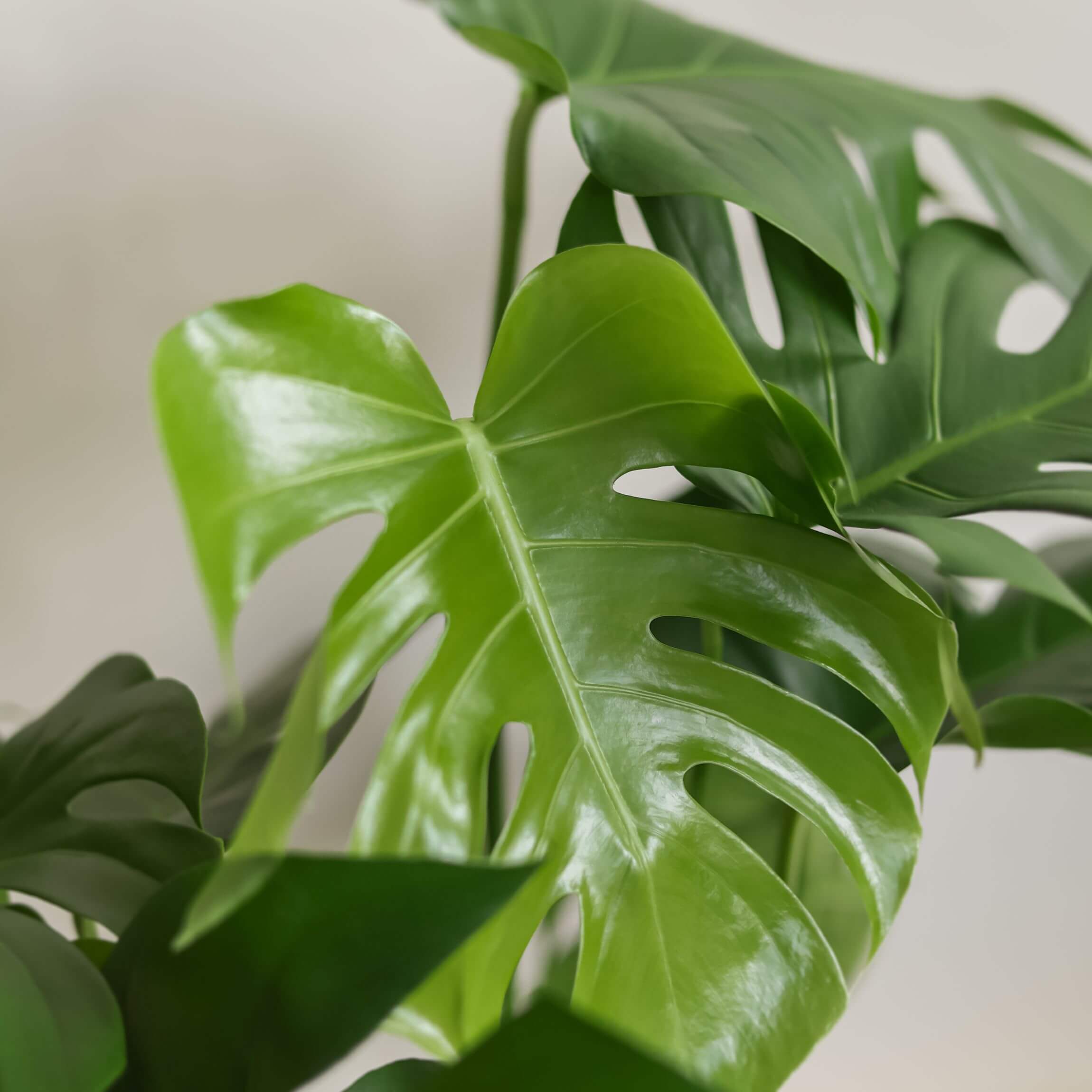
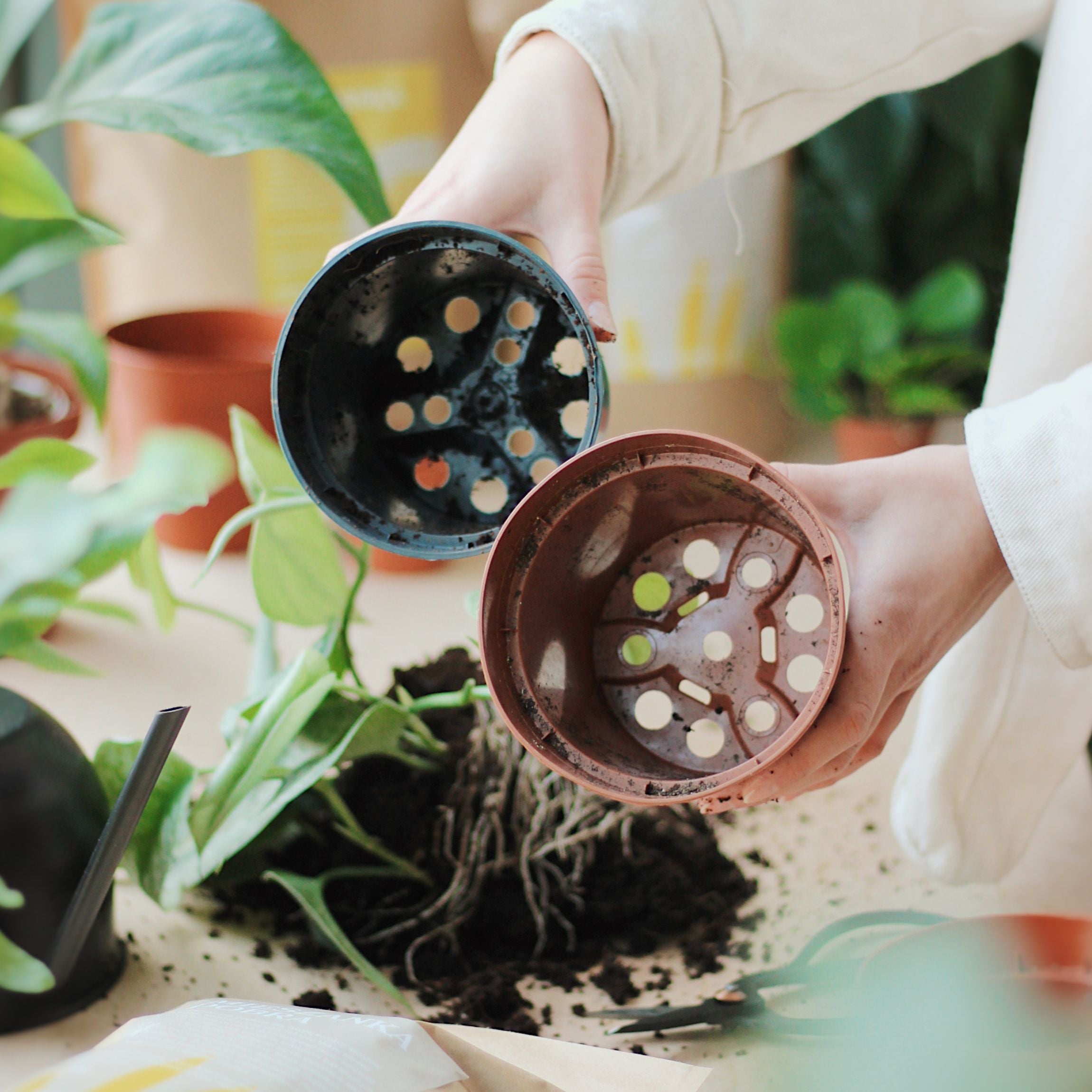
Spring is also a good time for repotting. This process itself is quite stressful for plants, which raises another question: when should you start fertilizing after changing the pot? Immediately after repotting, plants need time to recover and acclimate to their new environment. The roots need to adapt to the new soil and repair any damage caused during the process. It is recommended to wait about 2–4 weeks after repotting before the first fertilization. This period allows the roots to stabilize and reduces the risk of fertilizer shock.
If you used soil with added slow-release fertilizer for repotting, you should wait 4–6 weeks before applying any additional fertilizer, depending on the manufacturer's recommendations. Such potting mixes already contain nutrients that will be gradually released into the soil and absorbed by the plant.
When to fertilize home and office plants? - specific species
Different types of houseplants have different requirements regarding when to start fertilizing in the spring. For flowering plants like orchids, anthuriums, or peace lilies, the best time to start is when flower buds begin to appear. It is worth using a fertilizer with an increased phosphorus content, which supports blooming.
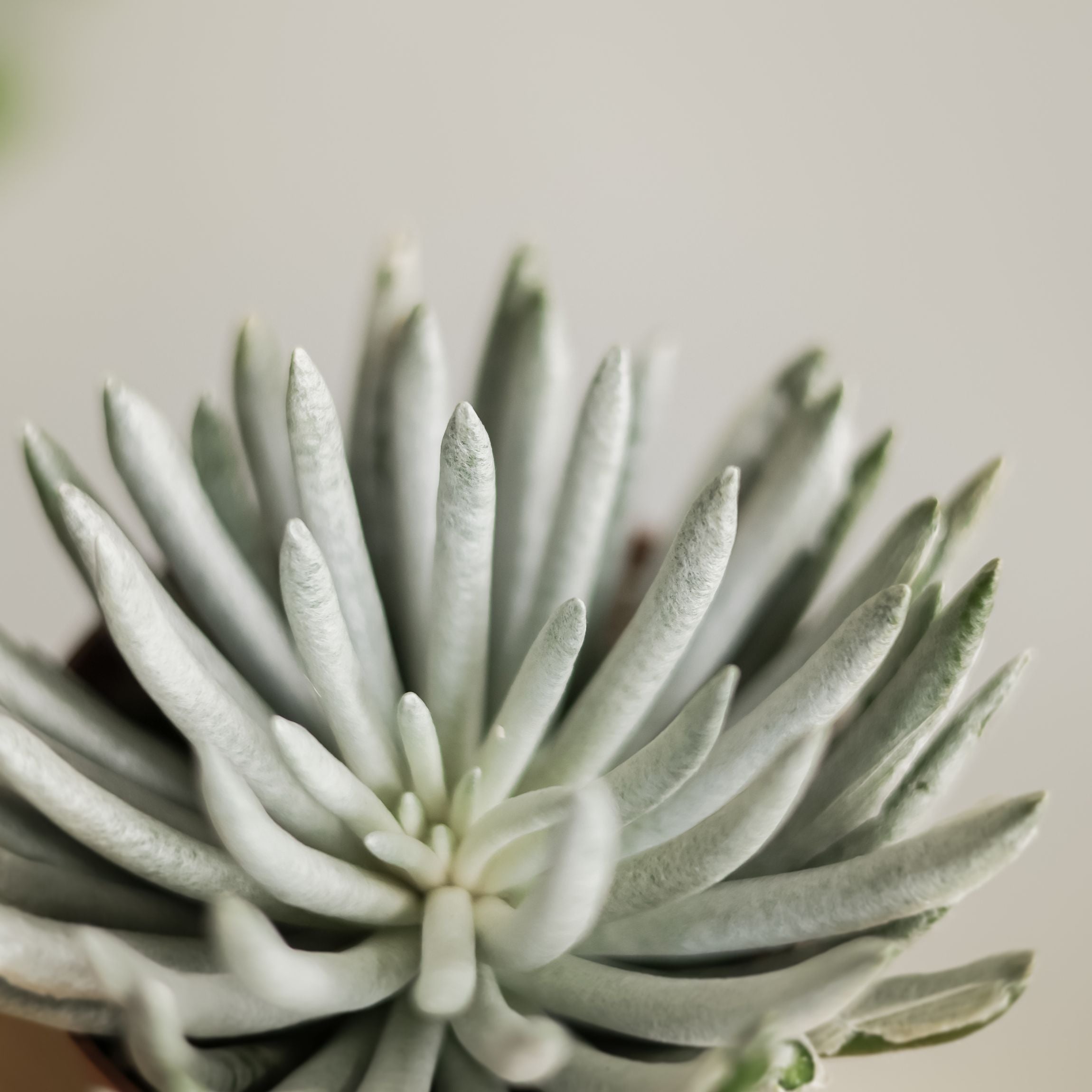
For classic potted plants found in offices or homes, such as monsteras, strelitzias, aglaonemas, ficus, or marantas, fertilization should begin when the first signs of new growth are visible. This is usually around late March or early April, but much also depends on the plant's location and its condition after winter. Cacti and succulents have slightly different requirements—the best time to fertilize them is April or May. It is also worth remembering that these plants need fertilizers with a lower nitrogen concentration, as they naturally grow in nutrient-poor soils.
If you are curious about how to use cacti and succulents in office plant arrangements, read our article about a green coworking space in Florida from our series on biophilic interiors around the world.
How to fertilize potted plants in the spring?
There are several types of fertilizers for different uses. The most popular choice is liquid fertilizer, added to water during watering, which quickly delivers nutrients to the soil. In the spring, it is recommended to use liquid fertilizers every 10–14 days, always following the manufacturer's instructions. The golden rule is that it is better to fertilize less but more often than rarely and intensely. Using too much fertilizer can lead to soil salinity and root damage. Another solution is fertilizer sticks or capsules placed in the soil, where they slowly release nutrients. One application is often enough for 2–3 months.
Crucially, you should never fertilize plants that are already weakened by disease, pests, or dehydration. You must treat the plant first, and only when it regains its vigor can you start fertilizing it.
Spring houseplant care - what else should you remember?
Proper fertilization is only part of spring care. It is equally important to provide office and home plants with the right light, humidity, and temperature. If you want to learn more about plant care at this time of year, check out our guide and learn how to take comprehensive care of your plants in the spring. And if you need professional plant care in your office, our plant specialists will take care of them for you as part of our plant maintenance service. Ultimately, regular care is the key to beautiful greenery not just in spring, but all year round!
When should you start fertilizing plants after winter?
The best time is between late March and early April – that’s when plants begin to sprout new leaves and shoots. It’s worth watching for signs of growth, such as lighter-colored leaves or buds – this is a signal that you can start fertilizing. Mineral fertilizers are especially important during this period because they provide plants with essential nutrients, but you should follow the dosage instructions to avoid negative effects, such as soil salinization or damage to the plant's roots.
Should you fertilize houseplants in winter?
No, most plants go dormant in winter and do not need extra nutrients. Fertilizing too early can harm them.
When is the first fertilization in spring?
As soon as you notice signs of new growth – usually at the end of March or the beginning of April. Fertilizing plants is crucial for their growth and health, especially in indoor conditions where the natural availability of nutrients is limited compared to the natural environment where these species occur.
How long after planting can you fertilize?
After repotting, it is best to wait 2-4 weeks so the plant has time to recover and acclimate. The roots need to stabilize before absorbing fertilizer.
What if I used potting soil with slow-release fertilizer?
In that case, you should wait 4-6 weeks before using additional fertilizers. Nutrients from such soil are released gradually, according to the manufacturer's recommendations. Mineral fertilizers provide plants with essential nutrients, but their improper use can lead to soil salinization and root damage, so it is important to follow the recommendations regarding dosage and seasonal application.
How should I fertilize houseplants in the spring?
It is best to use liquid fertilizers every 10-14 days, adding them to the water during watering. Always follow the doses recommended by the manufacturer. You can also use fertilizer sticks or capsules, which work for up to 3 months. Fertilizing potted plants is especially important to provide them with adequate nutrients in the limited amount of soil in the pots.
Can you fertilize weakened plants?
No. Plants that are sick, infested with pests, or severely dehydrated should be treated first. Fertilizing them in such a state can only worsen their condition. It is also important to understand the plants' nutritional needs, as a deficiency can lead to serious health problems.
What fertilizers should be used for flowering houseplants?
For plants such as orchids, anthuriums, or peace lilies, it is worth using fertilizers with a higher phosphorus content, especially when the first buds appear.
When should you fertilize cacti and succulents?
The best time is April-May. Remember that these plants need low-nitrogen fertilizers – in nature, they grow in poor soils.
What other treatments are worth doing in the spring besides fertilizing?
Beyond fertilizing, it is important to check lighting conditions and consider moving your plants, as well as checking the room's temperature and humidity, and repotting if necessary. Comprehensive care ensures healthy plant growth all year round.