Autumn and winter plant care – 5 practical tips
Learn how to care for your plants during autumn and winter—watering, protection from low temperatures, supplemental lighting, and more. Proven tips prepared by houseplant experts.
Shorter days, dry air, and cold drafts make autumn and winter the most challenging time for houseplants in our homes and offices. At this time of year, greenery requires different care than in summer, which we covered in the first part of our guide to autumn and winter houseplant care. We are adding another handful of tips to our collection on how to prepare your plants for autumn and winter!
1. If you don't have to, don't repot your plants
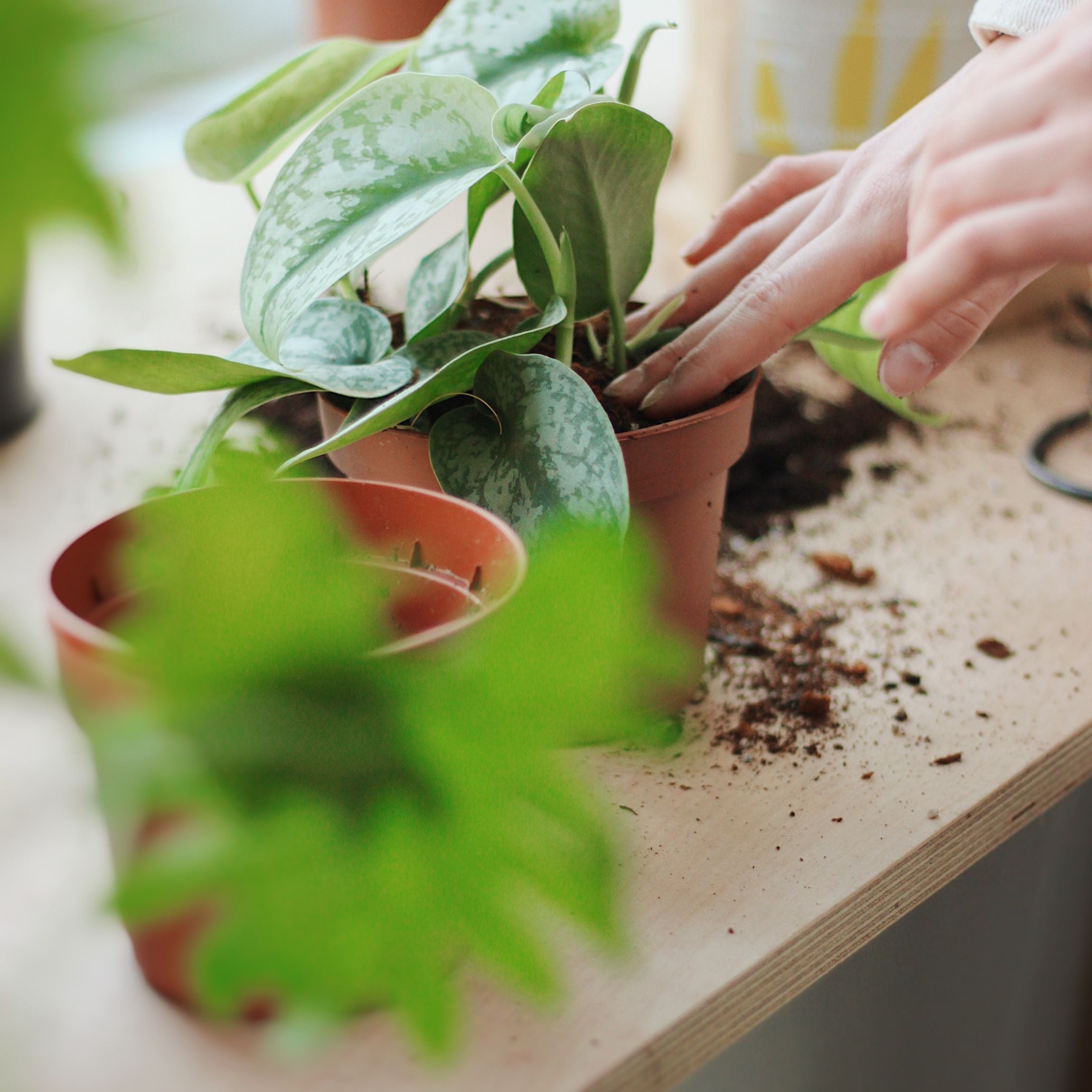
Why is it better to avoid repotting in autumn and winter? During this period, most species slow their metabolism and prepare for winter dormancy. Any changes to their environment, including replacing the soil, cause additional stress that can weaken your plants. It is best to wait until spring to repot, when plants begin active growth, although there are some exceptions to this rule.
If pests have appeared on the plant or mold is developing in the soil, repotting may be a necessary rescue measure. An overgrown root system that is clearly pushing the plant out of the pot is also a reason not to delay repotting until spring.
2. Watch out for drafts and cold on the windowsill
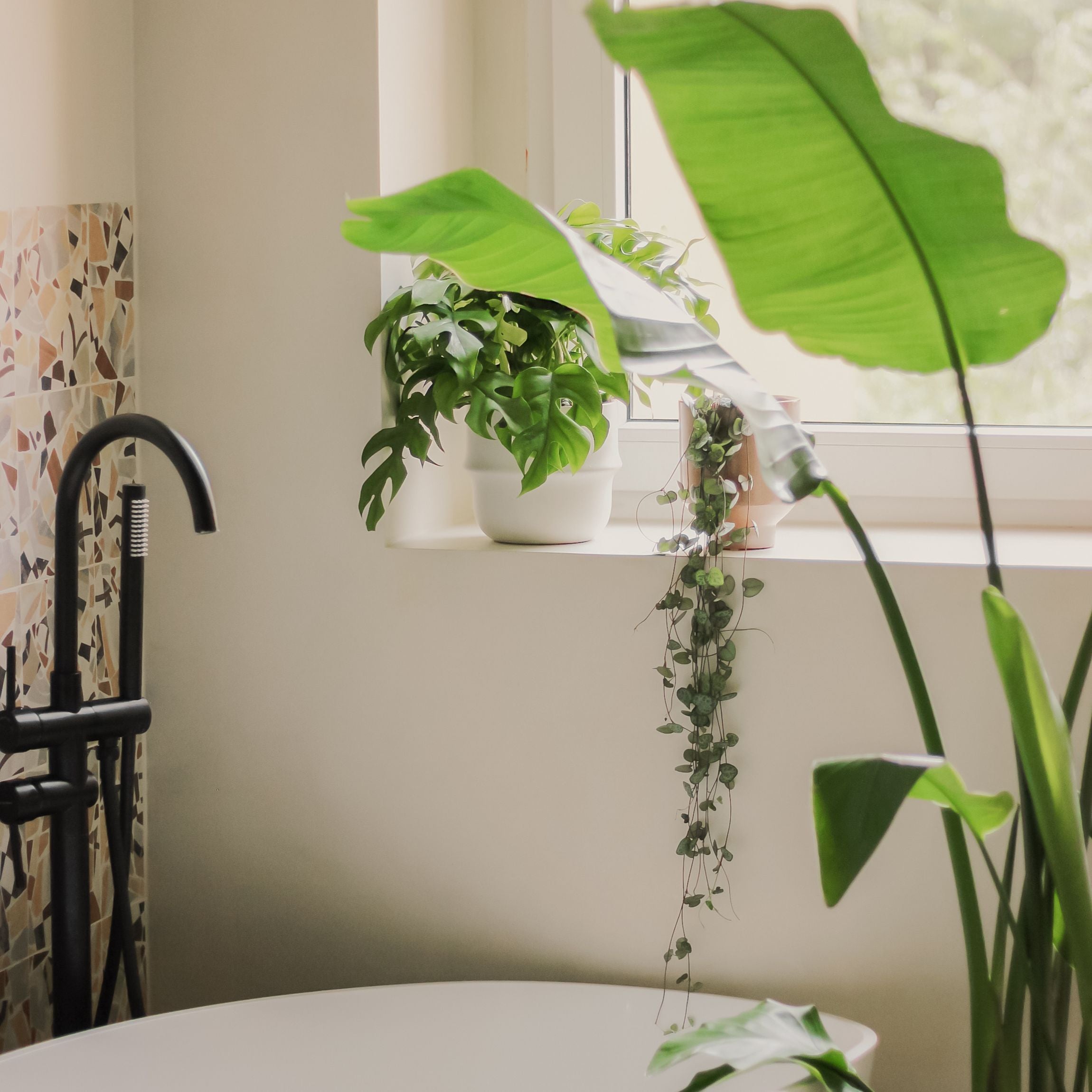
Plants feel best in rooms with a constant, stable temperature, and during the autumn-winter season, sudden fluctuations can quickly affect the condition of your greenery. This is especially true for specimens standing on windowsills or near drafty areas, such as by entrance doors. Proximity to cold glass and cold air gusts entering through leaky windows can cause thermal shock. As a result, leaves may drop, stems lose their firmness, and roots can become chilled.
How to avoid this?
- When the temperature outside begins to drop, move your pots a few centimeters away from the glass.
- Place cork, wood, or other insulating mats under your pots. These mats create a barrier between the cold surface of the windowsill and the pot, reducing the risk of the roots cooling down in the soil.
3. Adjust your watering routine to the season
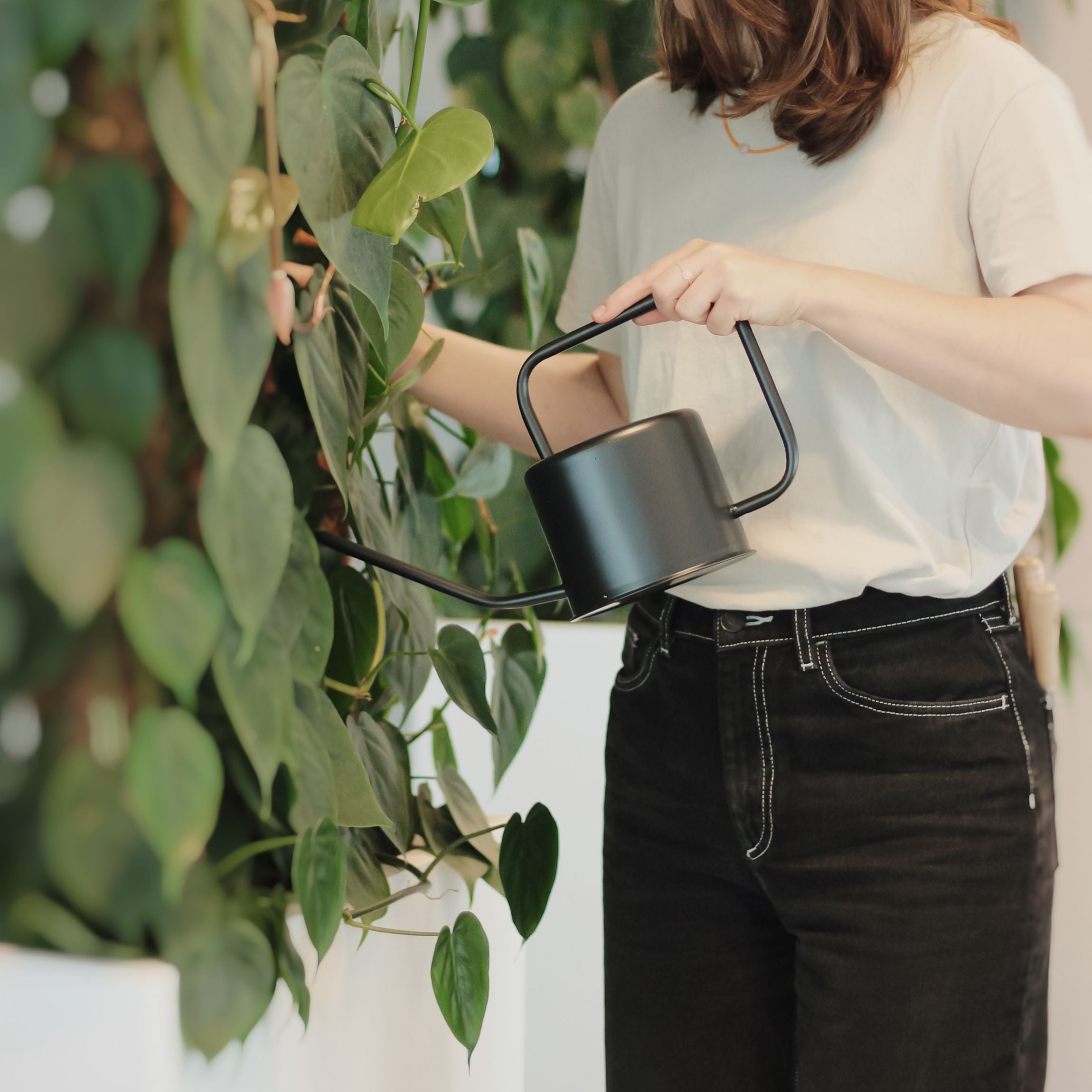
During the autumn and winter, plants enter a dormant phase, and their water requirements decrease. This is the time of year when it is easiest to overwater. Watering with the same frequency and volume as in summer often leads to water stagnation in the pot, which creates ideal conditions for mold to grow in the soil.
What should you do?
- Before reaching for the watering can, always check if the top layer of soil has had a chance to dry out.
- Regularly check that the drainage holes in your pots are not clogged.
- Ensure your green specimens have good drainage using expanded clay or gravel at the bottom of the pot. This provides extra protection that reduces the risk of water stagnation in the soil and root rot.
4. Consider supplemental lighting for your plants
It’s not just us who miss the sun and long days during the autumn and winter months. Plants miss them too, especially species that naturally occur in tropical rainforests where winter doesn't exist. A lack of light quickly takes a toll on their condition. Symptoms include elongated, limp stems, leaf discoloration, and stunted growth.
How can you help your plants?
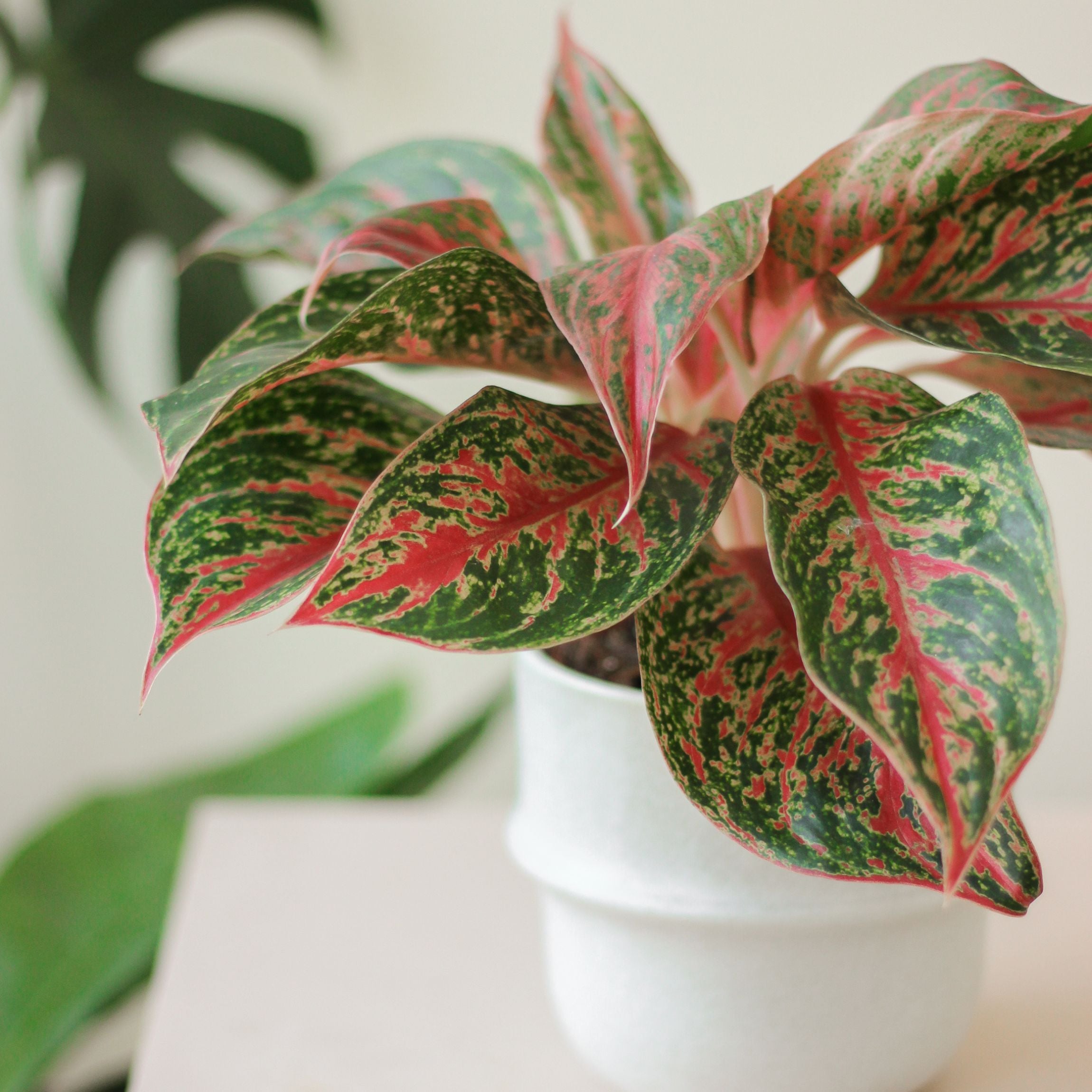
You can find full-spectrum LED bulbs on the market that mimic natural sunlight, not only supporting photosynthesis but also helping plants maintain vibrant colors. This is especially important for species with colorful leaves, which naturally have a higher demand for light. These include, for example:
- Calathea - ‘Rosy’, ‘White Fusion’, and ‘Zebrina’ varieties,
- Aglaonema - ‘Pinky Promise’, ‘Pink Star’, and ‘Crete Flame’ varieties,
- Stromanthe sanguinea - ‘Magic Star’, ‘Triostar’, and ‘Cayenne’ varieties,
- Fittonia - ‘Mosaic Skeleton’, ‘Red Star’, and ‘Mosaic Pink Forest Flame’ varieties,
- Philodendron - ‘Prince of Orange’, ‘Pink Princess’, and ‘Cherry Red’ varieties.
When installing additional lighting, remember to place the light source about 20-40 cm above the plant to prevent leaf burn. The light should be on for about 8-10 hours a day (depending on the season) to mimic the natural day cycle. Learn more about supplemental lighting for houseplants.
5. Don't panic if you see more yellow leaves
Towards the end of the year, many plants naturally shed older leaves. It’s their way of conserving energy when the days are short and there is less light. The leaves turn yellow because the plant is remobilizing nutrients (such as nitrogen) from older leaves to newer growth.
How do you distinguish natural yellowing from yellowing that might be caused by pests?
- Natural yellowing - individual leaves on lower stems turn yellow and gradually fall off. The remaining stems stay firm and look healthy.
- Concerning yellowing - many leaves, including young ones, turn yellow in a short period of time. Spots and irregular discolorations appear on them, and there may be an unpleasant odor.
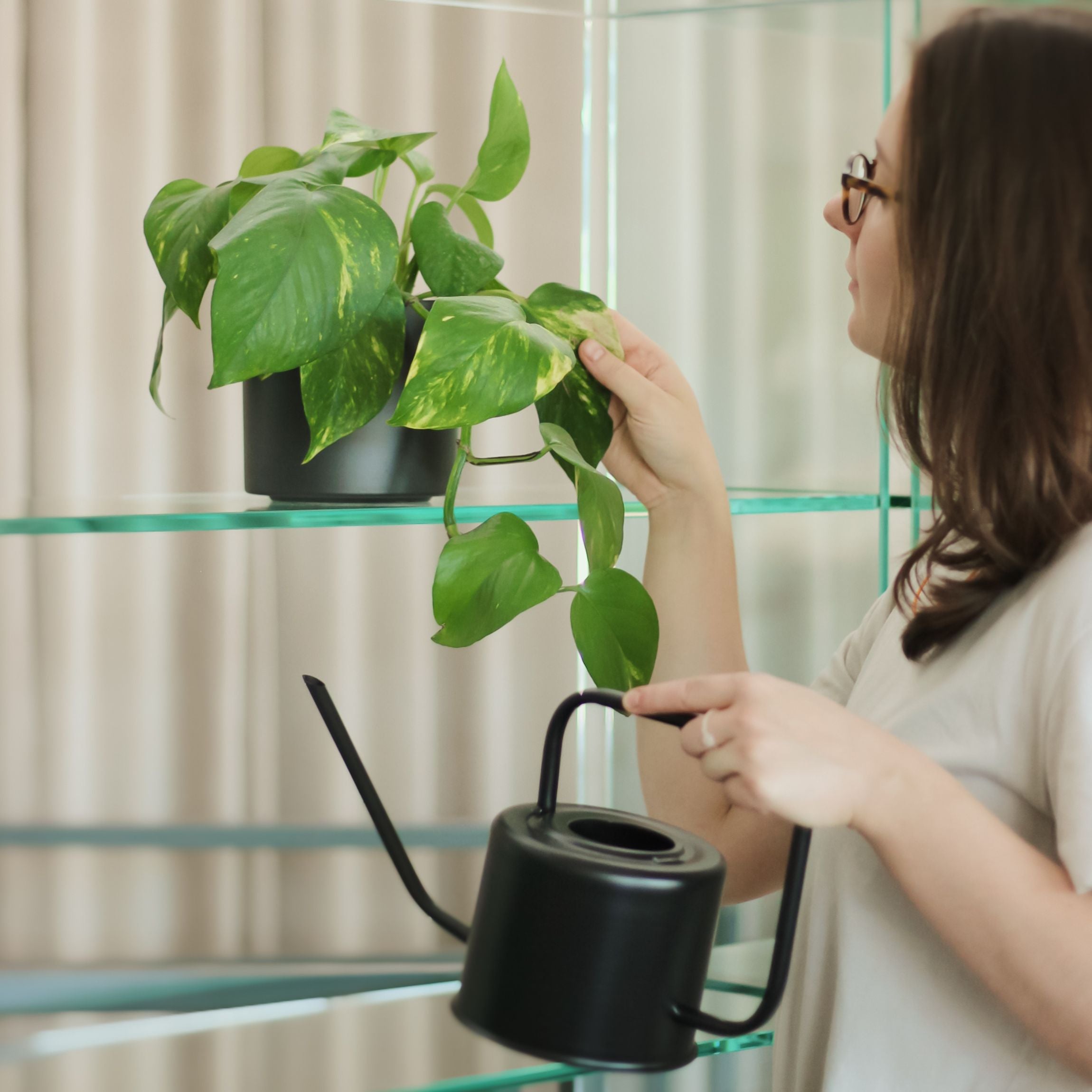
Experienced plant lovers know that the autumn-winter season teaches mindfulness and observation skills.
This is the time when our green specimens show how sensitive they can be to changes in their environment—reduced sunlight, dry air, or fluctuations in room temperature. By following a few simple rules, you will help them survive this period in good condition, and your plants will reward you with active growth in the spring. Above all:
Let this season not be a time of constant worry about your plant collection, but rather an inspiration to look at your plants with new attention and care.
If you want your office or home plants to look beautiful all year round, it is worth considering expert support. At Projekt Rośliny, we have been helping to create and maintain aesthetic indoor greenery arrangements - from freestanding compositions to green walls. We select species and solutions tailored to the possibilities of your space, and once your plant interior is complete, we provide ongoing maintenance services for your plants. Thanks to us, you can enjoy a lush, green space even during the autumn and winter months.