How to buy plants responsibly?
On a responsible approach to houseplants – read about how to avoid unnecessary waste and create a sustainable, green interior in your home or office.
Every coin has two sides. On one hand, plants are gradually gaining status as an essential element of modern interiors, and there is increasing talk about the benefits of having them in our lives. Plants support our well-being and satisfy our innate need for contact with nature, even in enclosed spaces. Biophilia is finding its place not only in homes but also in offices, hotels, and public spaces.
On the other hand, the popularity of houseplants comes with certain pitfalls. Like any other product we are tempted by on social media, greenery can also be bought impulsively, without reflecting on the needs of individual species or being prepared to provide proper care. Plants treated solely as seasonal gadgets or interior decor are often neglected, and the trade in certain species can threaten their natural habitats.
So, how can you balance a passion for plants with being a responsible consumer? Below you will find our thoughts and tips to help you make informed decisions when building your plant collection and greening your home or office spaces.
Where does your plant come from? Check how it reached you
The pandemic period contributed to the rise in the popularity of houseplants. The market blossomed, and social media saw an increase in creators showcasing their impressive collections. Unfortunately, in countries like South Africa, Chile, and the USA (California), interest in home plant cultivation has intensified the problem of plant poaching – an illegal practice involving the removal of plants, most often rare, protected, or endemic species, without permits and in a way that disrupts local ecosystems. Plants are taken from their natural habitats, such as deserts, steppes, or forests, and then end up on the black market or in private collections around the world.
Succulents and cacti are frequent victims of these practices. According to the organization Botanic Gardens Conservation International, some of these plants are collected in such large quantities that their populations are declining drastically, and some varieties are beginning to face extinction. A particularly affected region is South Africa, where the pandemic economic crisis has intensified plant poaching, especially in rural areas. Thousands of succulents are illegally removed from their natural habitats to end up on platforms like Etsy, Instagram, and eBay, and from there into private collections in Asia, Europe, and North America. Many of them die along the way, without access to proper conditions or care.
Our tip – check the plant passport
So, how do you know if the plant you plan to buy comes from a legal source? First and foremost, check its passport. Every live plant sold within the European Union should have such a document. A plant passport is a small label, often in the form of a sticker on the pot or a small tag stuck into the soil, which contains the following information:
- A - the botanical name, i.e., the species or taxon of the plant, e.g. Monstera deliciosa;
- B - the identification code of the professional operator, which consists of a two-letter EU member state code (e.g., PL - Poland) and the registration number of the producer or distributor;
- C - the plant product identification code; this could be, for example, a batch or series number. This makes it possible to know which specific shipment a given plant came from;
- D - the country of origin of the plant; an EU member state or a third country. This way, you will know where the plant was grown before being placed on the market.
When you see an attractive specimen in a plant shop, do not hesitate to ask about its passport, country of origin, and cultivation method. Your questions signal to the seller that customers expect greater transparency. If you are buying at a market or on an online platform, be especially vigilant.

Don't follow trends blindly. Consider whether you actually know how to care for the plant.
Before you give in to an impulse and add a trending specimen to your collection, pause for a moment. Are you sure you have the right conditions to take care of a new plant? Do you know what it needs and what will happen if those conditions aren't met?
Some collector houseplants and variegated specimens (those with naturally occurring leaf discolorations) are incredibly striking, but also demanding. They require constant air humidity, often more light, careful fertilization, and a lot of attention. In inexperienced hands, they start to get sick, lose leaves, or simply stop growing. So, before you decide to buy a collector plant, ask yourself a few important questions:
- Do I have the time and knowledge to respond to this plant's needs?
- Will my space and conditions (e.g., light access, air humidity, the presence of pets or children) allow it to grow healthily?
- Do I really need it, or is this just a spur-of-the-moment purchase?
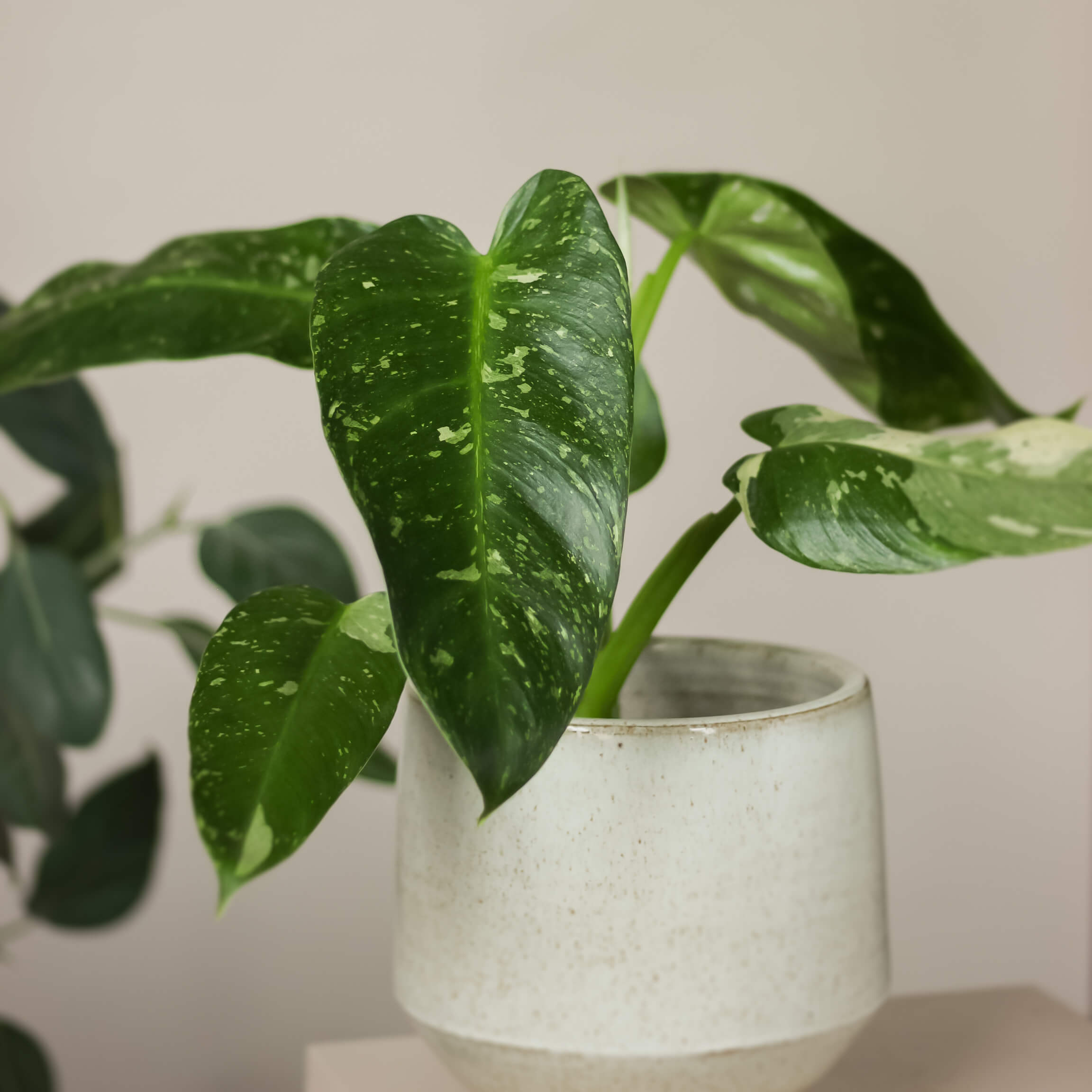
Our tip – do your research properly.
Look for reliable information about a given plant. Don't rely solely on photos and videos found on social media – you won't always see the ups and downs of caring for a collector variety there. Also, check out our atlas of popular houseplant species, where you will find detailed descriptions of species for your home and office. It's a good starting point if you want to make an informed choice and avoid frustration.
Check out local initiatives – pop-ups, community groups, and neighborhood plant swaps.
If you are just starting to build your home collection or don't have much experience in plant care yet, it's worth looking for local initiatives that bring plant lovers together. On neighborhood groups, at local events, or plant pop-ups, you can often find people who share cuttings, give away excess specimens, or swap pots, planters, or leftover soil. It's a great way to start your plant journey without high initial costs or supporting unreliable sources.
Our tip – plant swapping as a way to bond at the office or among friends.
Swapping plants within your inner circle allows you to supplement your home collection in a more sustainable way – without giving in to shopping fever or overproduction, and with the added benefit of strengthening personal relationships. You can organize such a swap among friends or suggest it at work if there is a group of plant enthusiasts among your colleagues. Interested people can bring a cutting, a seedling, or a plant they’ve grown tired of. It naturally creates space for conversation and the exchange of experiences and care tips.
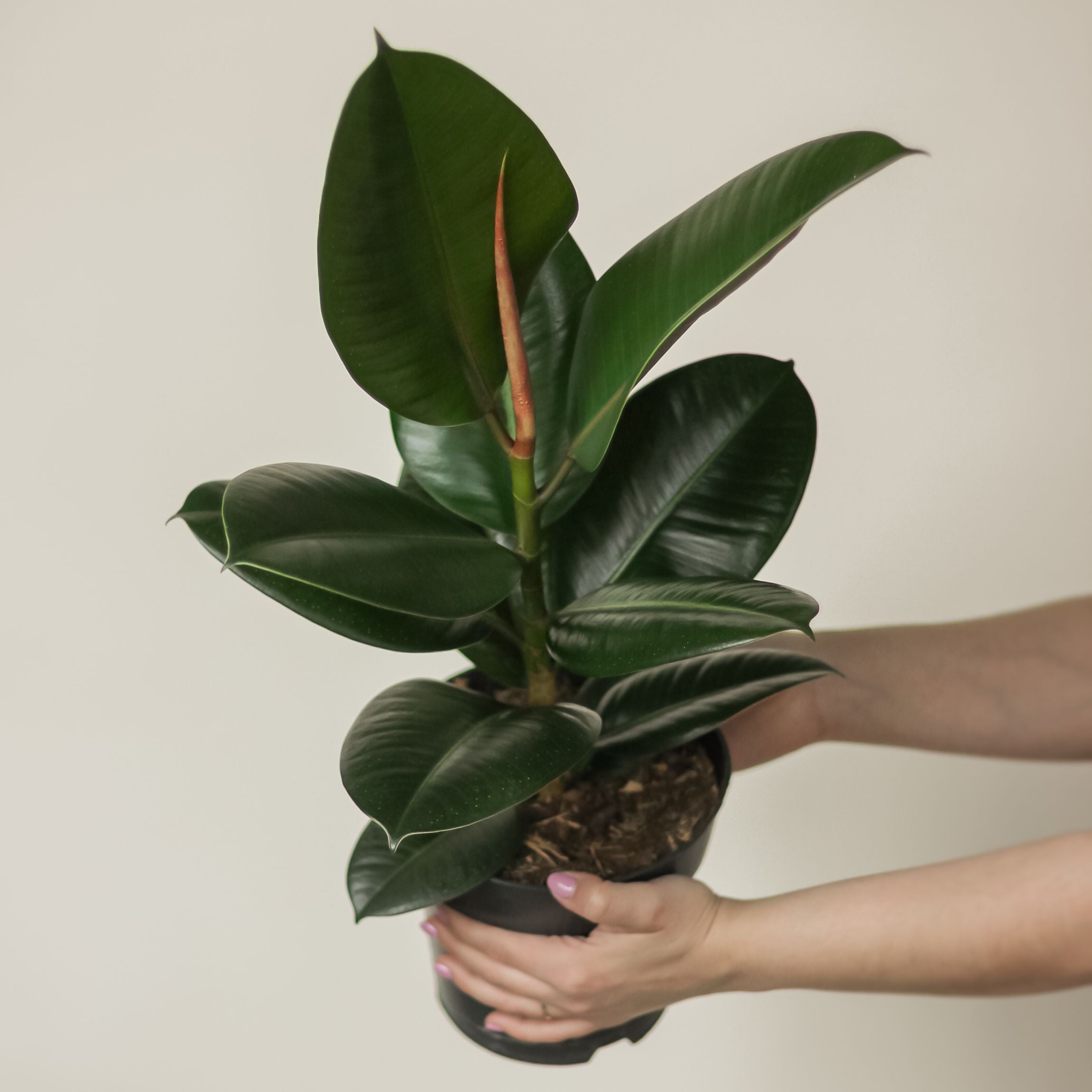
Plant propagation – an easy way to grow your collection.
Many popular houseplant species can be successfully propagated on your own. Propagation, or plant reproduction, allows you to make your potted arrangements fuller, get cuttings to share with others, and stimulate healthy growth in the specimens you take cuttings from. Depending on the species, plants can be propagated by:
- Stem cuttings and rooting in water or soil (e.g., for Epipremnum, Monstera, Scindapsus);
- Root ball division (e.g., for Sansevieria, Zamioculcas, ferns);
- Separating offsets (e.g., for Aloe, Haworthia, Pilea);
- Leaf separation (e.g., for Jade plants, Echeveria; some succulents grow new plants from individual leaves).
Regardless of the method, remember to use clean tools, sterile scissors, and quality soil suited to your plant's requirements. If you are rooting cuttings in water, choose a transparent container so it's easier to see when the plant has grown roots. Also, remember to give them time to develop before moving the plant from water to soil. If you do it too early, the roots may not take in the new environment, and the plant will start to die.
Our tip – which houseplant species are easy to propagate?
For quick and effective ways to fill out your plant arrangements, we recommend species with long, trailing, or hanging stems—for example, maranta,epipremnum or philodendron. These are some of the most rewarding plants to propagate. Simply trim a piece of the stem, making sure to include a node (where the roots will grow), place it in a container of water in a bright spot, and you'll have a new cutting in just a few weeks. You can then plant these cuttings back into the same pot to make your arrangement look fuller.
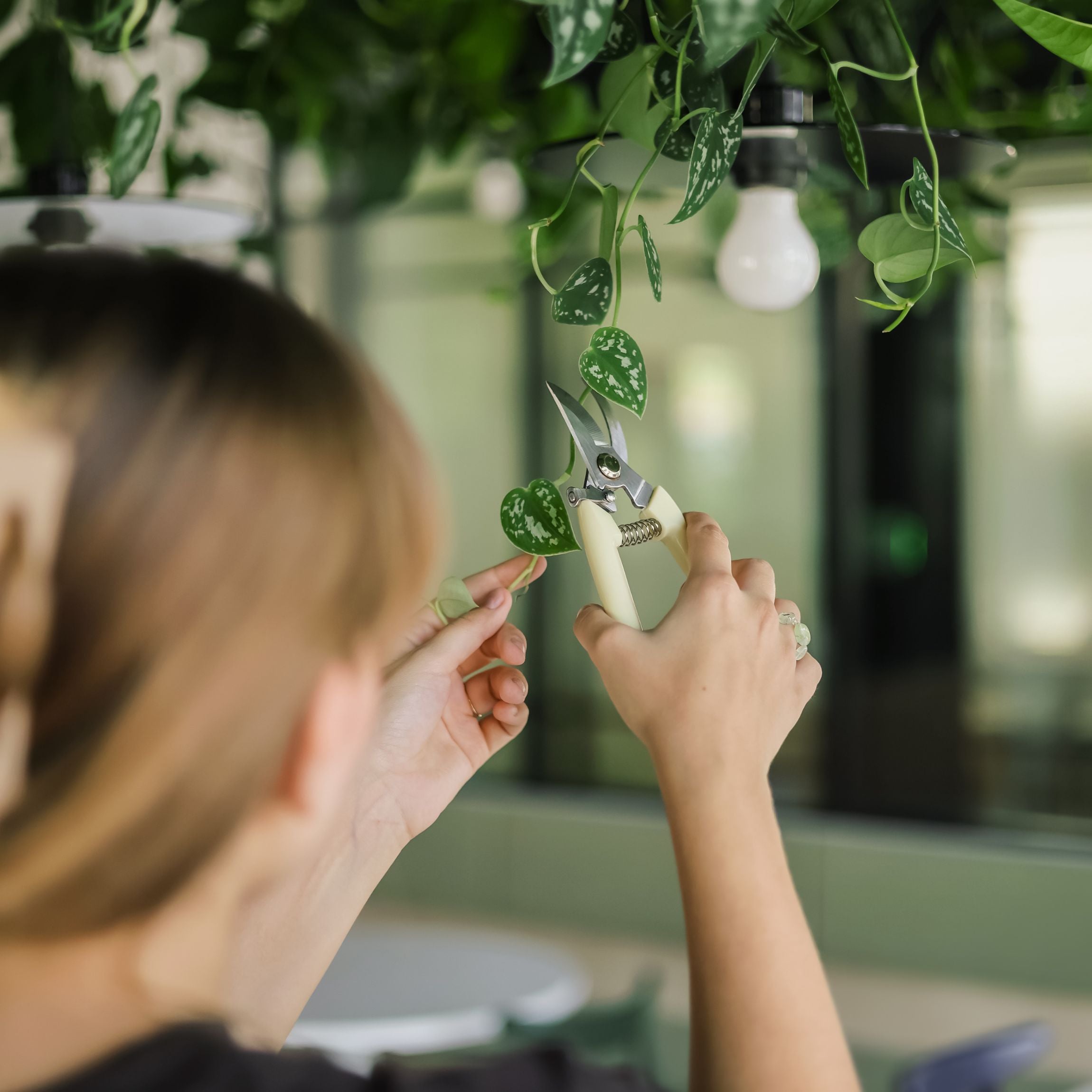
Beware of gimmicks: glitter, glue, paint, and plant costumes
During the holiday season, you’ll often find plants in supermarkets and grocery stores covered in glitter, colored spray paint, glue, or even dressed up in miniature costumes. These treatments are extremely harmful to plants. Covering leaves with an impermeable layer blocks light and air, preventing proper photosynthesis. As a result, the plant weakens and quickly dies. From a consumer perspective, this is not only a waste of money but also supports harmful retail practices that prioritize short-term aesthetics over plant well-being.
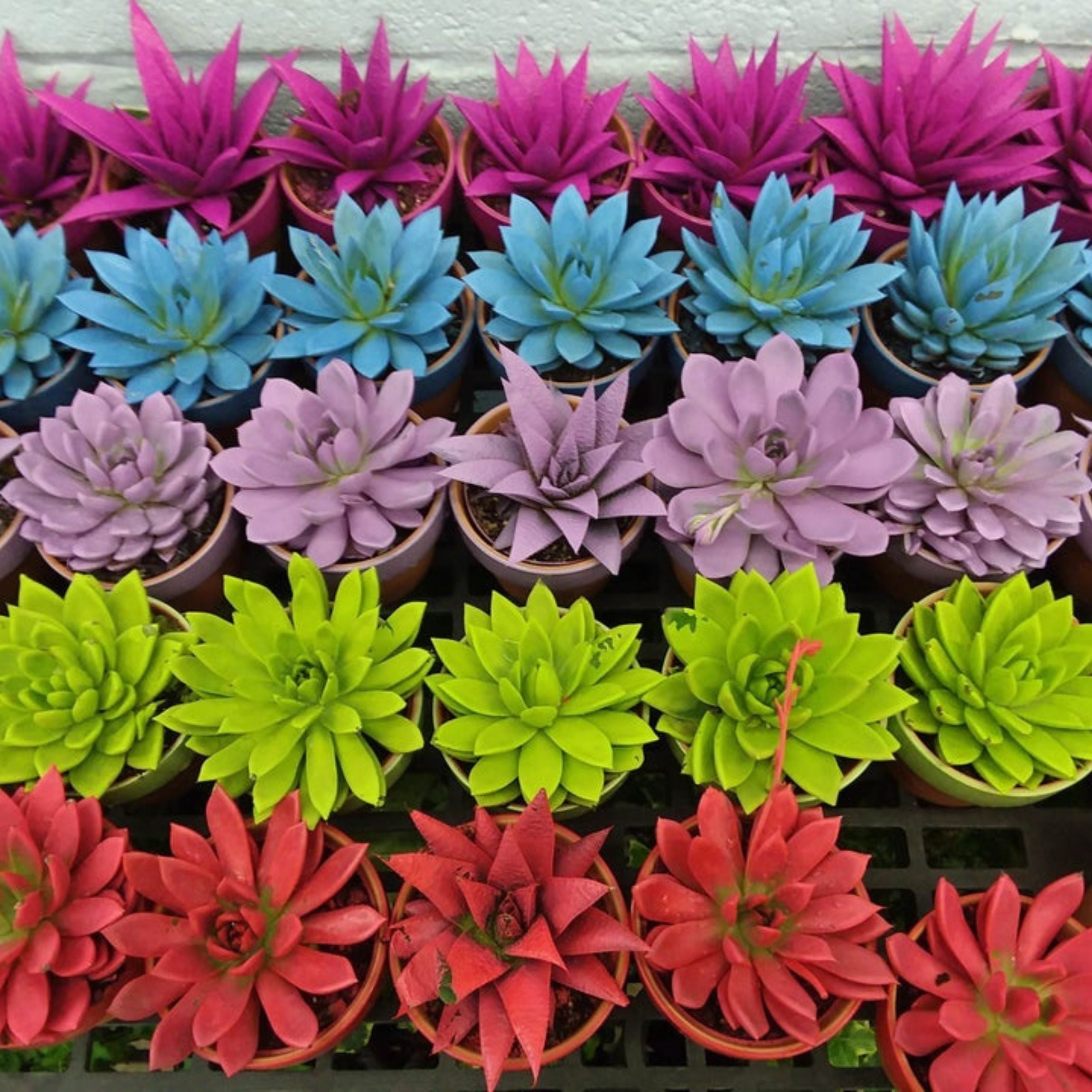
Are you an HR manager, office manager, or someone responsible for seasonal gifts for employees or clients? Please take note of this as well! If you are considering mini plants as gifts, avoid artificially colored or dressed-up specimens. Schedule a consultation with our team of office greenery experts, and we will be happy to advise you on the best solution.
Our tip: choose houseplants with colorful leaves
Glitter, glue, paint, and costumes will never be able to replace the natural beauty of plants. Just take a look at caladium, also known as the plant of a million colors, whose leaves resemble a colorful mosaic. Certain varieties of calathea, begonia, fittonia, and syngonium also feature beautiful coloration.
Greenery with a plan – on a responsible approach to plants in homes and offices
A responsible approach to greenery is not just a matter for home windowsills, but also for offices—especially during relocations or redesigns. In such situations, many companies decide to replace their furnishings, and plants are often written off as losses because teams lack the time and resources to care for the greenery during a move or renovation.
However, there is another way. At the offices of Qair Polska SA in Wrocław and LUX MED in Warsaw We managed to save and incorporate hundreds of plants that inhabited our previous office locations into the new design. Instead of throwing them away, we gave them a second life, creating friendly, green spaces.
If you are planning changes in your office and care about a sustainable approach to space design, get in touch with us. We would be happy to prepare a greenery design project for you that incorporates the plants you already own – check out our design offer, interior plant installations and office plant maintenance service.