How NOT to care for plants? 6 non-obvious mistakes in houseplant care – part II
How NOT to care for plants? Some of these mistakes might surprise you! Read on and learn how to take even better care of the greenery in your home or office.
What if these care mistakes are the reason your plants aren't growing healthily? In the first part of our series on non-obvious mistakes in caring for potted plants, we analyzed six oversights that can affect the condition and appearance of our home and office specimens. Today, we’ve prepared another dose of practical advice on how to not care for plants - some of these mistakes might surprise you! Read on and learn how to take even better care of the greenery in your home or office.
1. You don't provide climbing plants with proper support
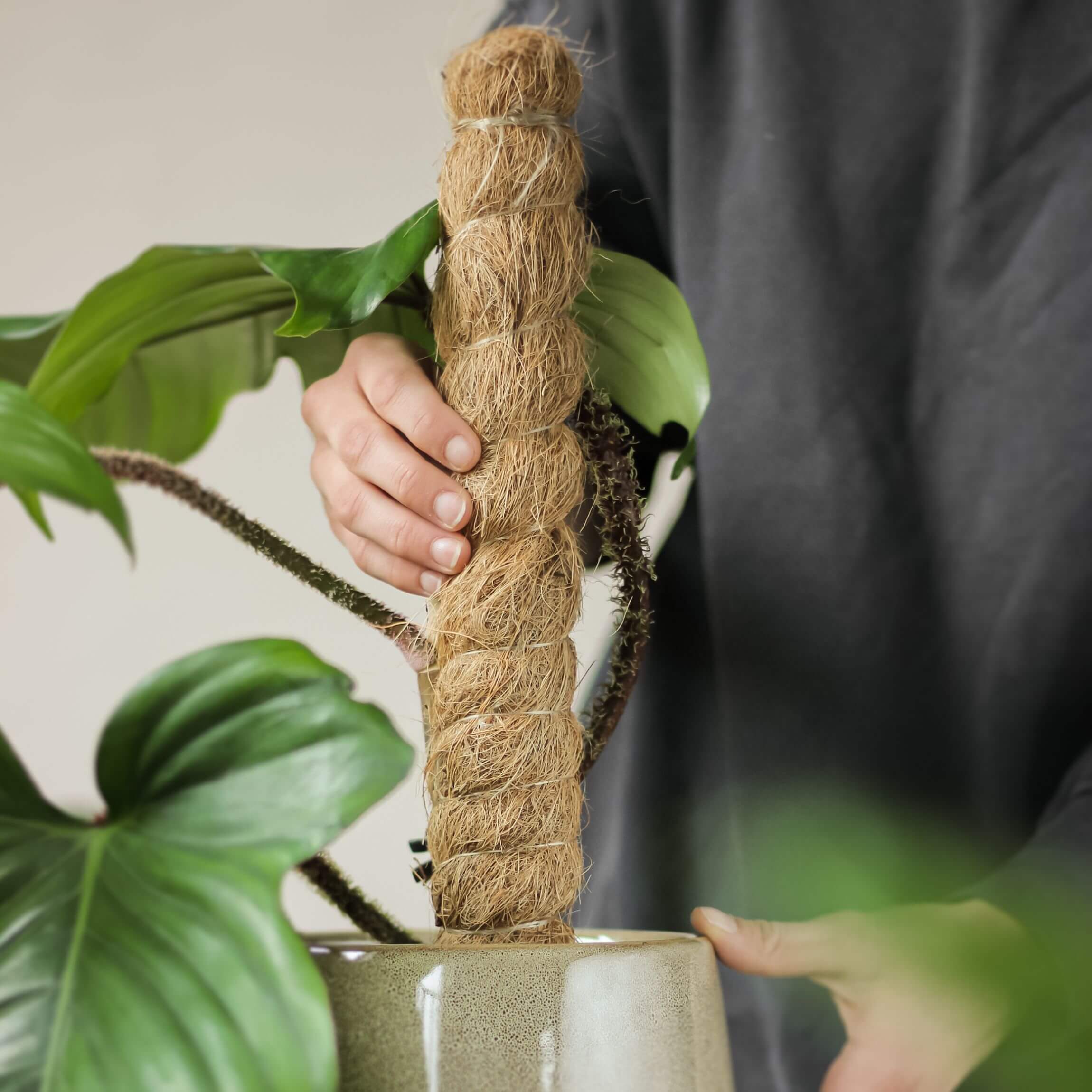
In nature, species like monsteras, philodendrons, and scindapsus find support in tree trunks, which helps them grow larger and healthier. In home and office conditions, their stems can start to break under their own weight and lose their growth direction if you don't provide them with a stake early enough. Proper support is also important for the condition of aerial roots, which absorb nutrients not only from the air but also from the moist surface of the support. That’s why coconut coir or sphagnum moss poles are a good choice. Because they retain moisture longer, plants are more likely to cling to them.
Our tip:
Not sure if you have climbing species? Check out our atlas of the most popular potted plant species, where you will find photos and detailed advice on how to care for plants at home and in the office.
2. You mist your plants at the wrong time of day
Opinions on misting potted plants are divided. On one hand, this practice helps temporarily increase air humidity in the immediate vicinity of the plants, which is especially appreciated by tropical species. On the other hand, overly abundant and frequent misting can promote the development of fungal diseases, and doing this at the wrong time of day can lead to leaf burns.
Why does this happen? When the morning sun hits freshly moistened leaves directly, the water droplets act like lenses, focusing the rays in one spot. This causes light, scorched spots to appear on the leaves. To avoid this, it is best to mist during hours when the sun is less intense—for example, in the evening, when the rays are not hitting the plant directly.
Our tip:
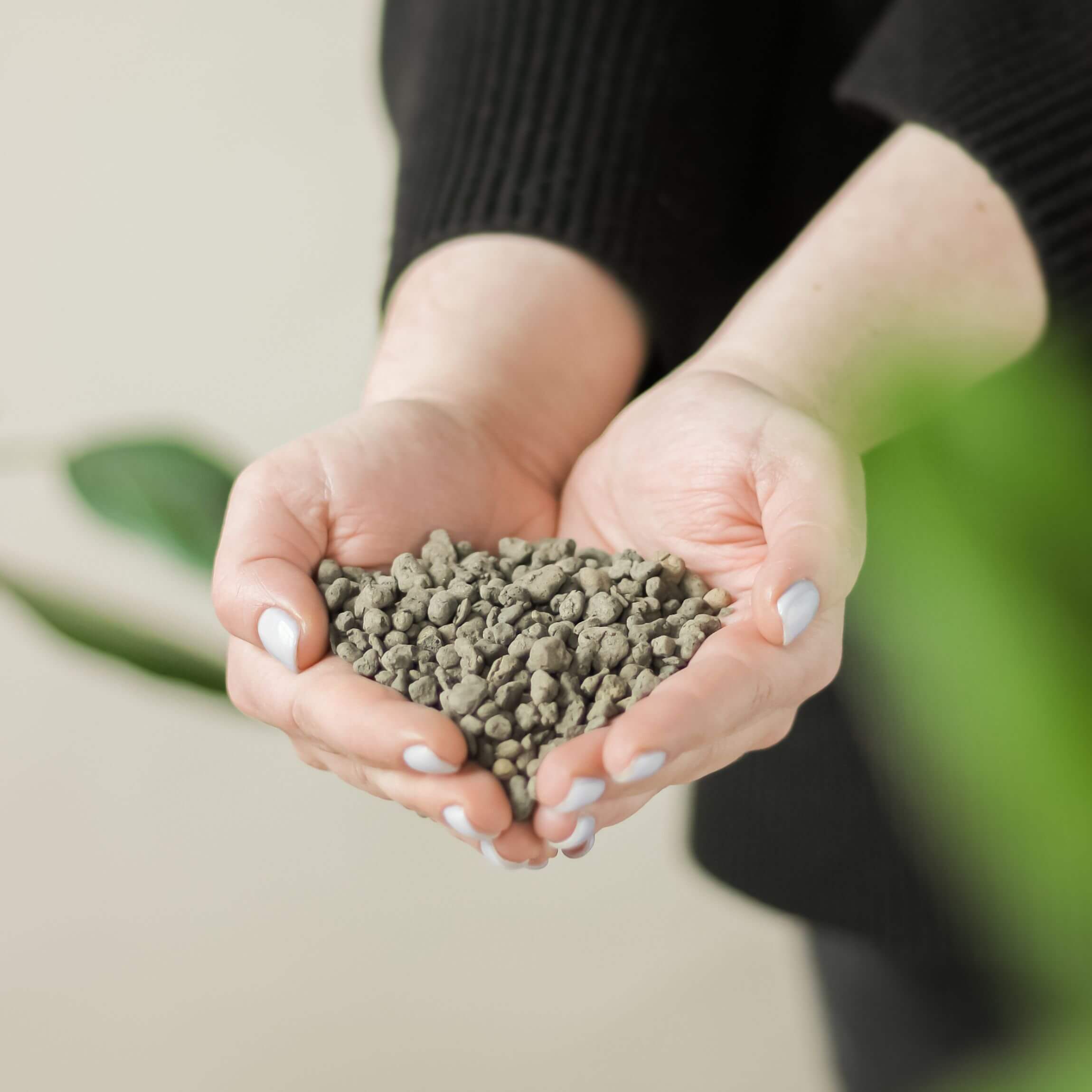
There are also other ways to increase air humidity around a plant. For example, you can place your specimen on a tray with water and expanded clay (leca). Thanks to the gradual evaporation of water, the air will become more humid, and the plant will not have direct contact with the water. Regularly airing out the room and grouping plants together can also help increase humidity due to transpiration—the natural evaporation of water through the above-ground parts of plants, which releases moisture into the environment.
3. You don't check water hardness
Water hardness, or the content of calcium and magnesium compounds, has a greater impact on the condition of your potted plants than you might suspect. Watering greenery with hard water can lead to limescale buildup in the soil, which disrupts its structure and makes it difficult for roots to absorb nutrients. Some species, especially tropical ones, are particularly sensitive to high calcium levels—they visibly droop, and their leaves turn yellow or develop brown spots.
Soft water, often obtained through reverse osmosis or collected as rainwater, is safer for most plants because it contains fewer minerals that could harm the soil or the root system.
Our tip:
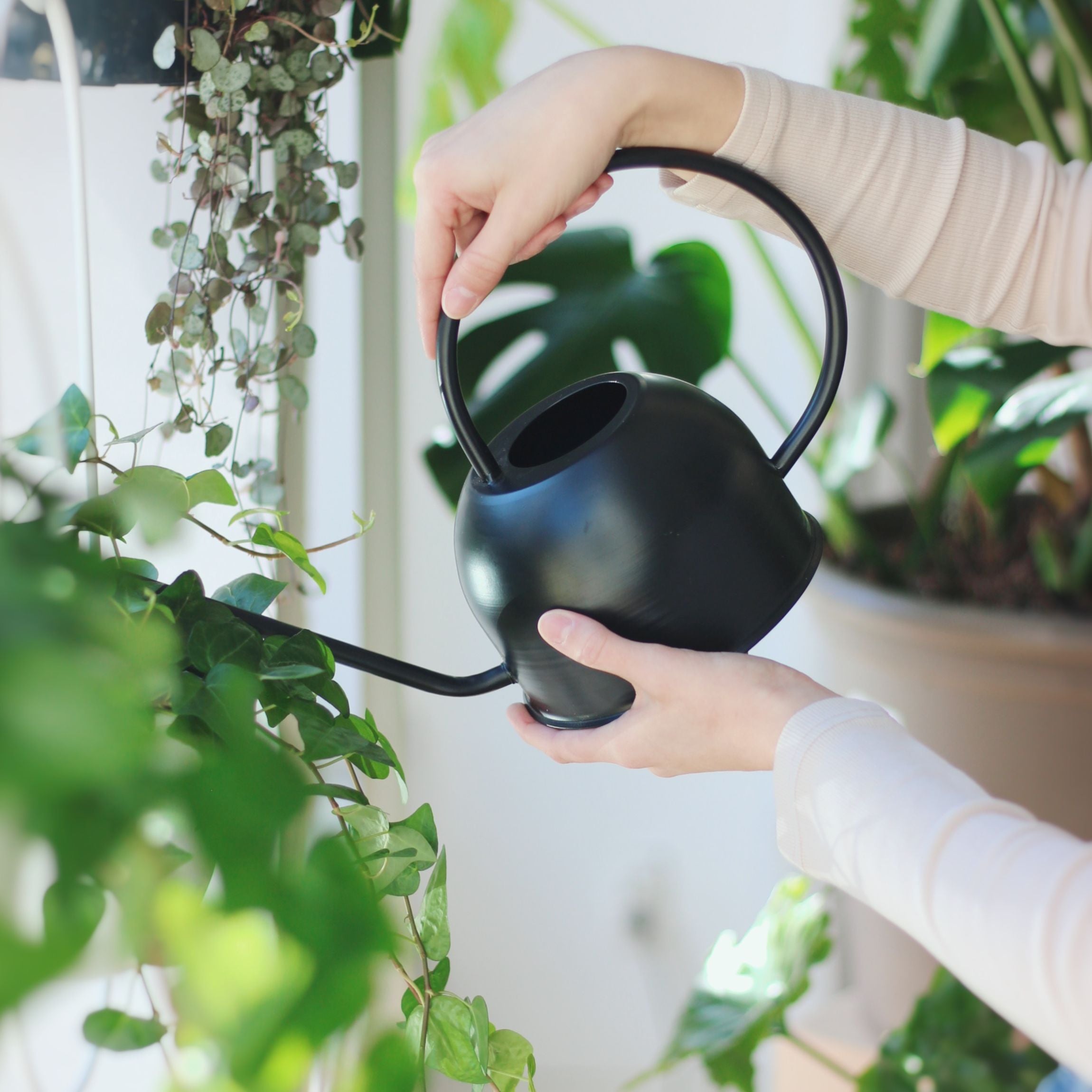
Whenever possible, water your plants with water from a filter pitcher, which reduces the content of chlorine and certain minerals and impurities that can negatively affect plant health. If you don't have a filter, a good alternative is to leave the water in an open container for a few hours, which allows the chlorine to partially evaporate.
4. You don't clean the dust off your leaves
We know that cleaning dust off leaves is a bit of extra work, but your plants will thank you for the effort with healthy growth and improved vitality. Dust settling on the leaf surface creates a physical barrier that limits the efficiency of photosynthesis—the process by which chlorophyll converts sunlight into the chemical energy necessary for a plant's growth and development. Dusty leaves have a reduced capacity to absorb light, which leads to a slower plant metabolism. Furthermore, a layer of dust hinders transpiration and creates an environment conducive to the development of pathogens and pests that love to settle on dirty surfaces.
Our tip:
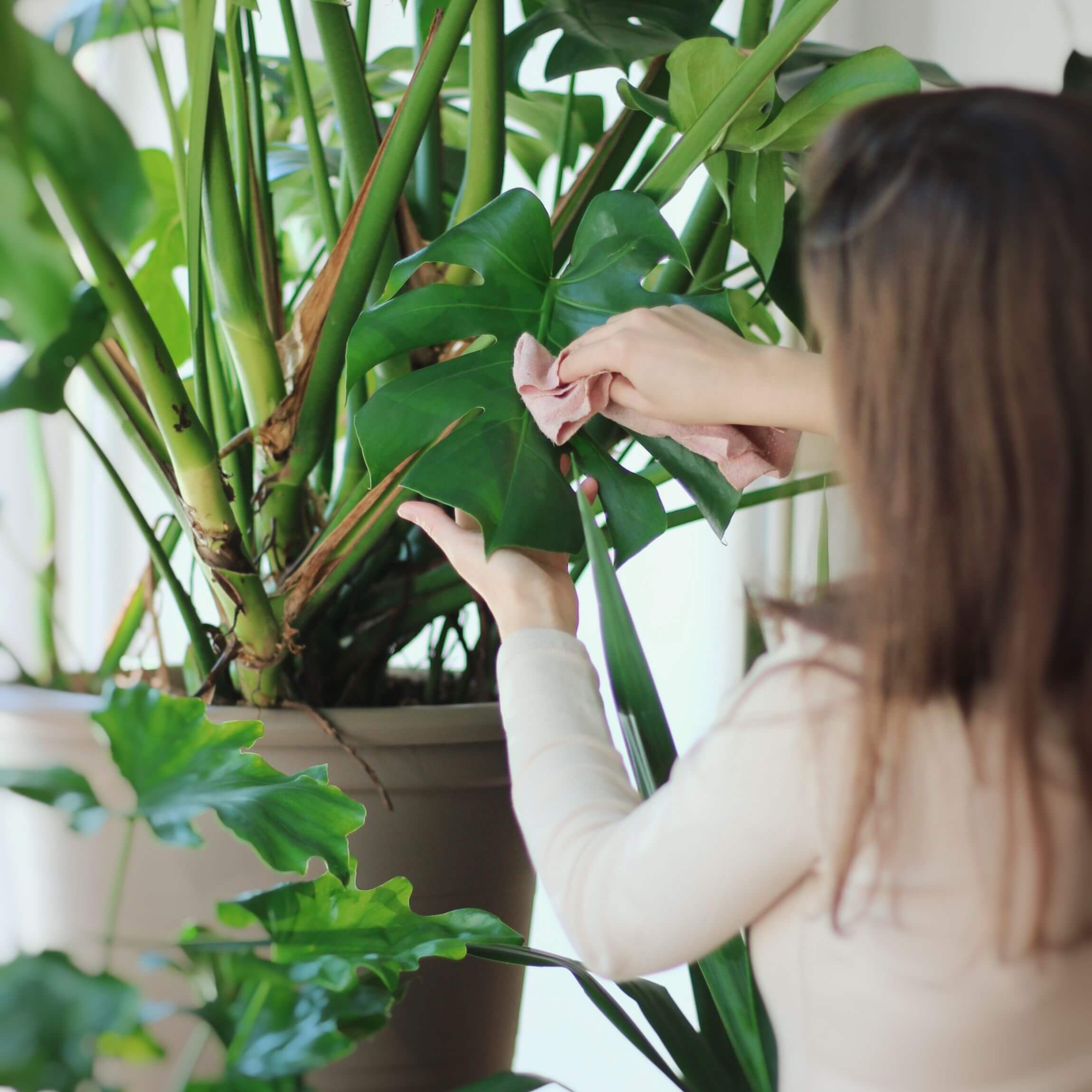
Try to regularly wipe down dusty leaves with a damp cloth, such as one made of microfiber. At the same time, be careful not to use water that is too cold or too hot, and avoid harsh cleaning agents that could damage the delicate structure of the leaves. By getting rid of dust, you will take care of not only the health of your plants but also their aesthetic appearance. Cleaned leaves immediately look more vibrant and lustrous, delighting the eye of every greenery lover.
5. You don't remove dead and yellowing leaves promptly
Dust isn't the only problem when it comes to leaves. Dead and yellowing leaves left in the soil or on the plant create an ideal environment for the development of diseases and pests. As they decompose, they release moisture and organic matter that attract insects, such as fungus gnats or thrips. The rotting process also encourages the multiplication of mold and fungi, which can spread to healthy parts of the plant. Moreover, decomposing organic matter disrupts the microbiological balance in the soil and can cause unpleasant odors.
Our tip:
Regularly remove dry or yellowing leaves using disinfected, sharp gardening tools. Why is it so important for tools to be clean? We covered this topic in our first article on the most common mistakes in caring for houseplants.
6. You place the plant in a spot where the temperature changes frequently
Houseplants do not like frequent and sudden temperature changes caused by drafts or exposure to direct sunlight. Proximity to doors or frequently opened windows, as well as placing plants near radiators or air conditioners, can expose them to stress. Sudden drops in temperature cause yellow or brown spots to appear on the leaves, while excessive heat contributes to drying tips and faster water evaporation from the soil.
Our tip:
Remember to place plants at an appropriate distance from heat sources, drafts, and areas where the temperature changes frequently. If you have limited space, choose species that are naturally more resistant to difficult conditions. ZZ plants,,snake plants, and pothos better tolerate the stress associated with sudden temperature changes and will be more likely to forgive neglect in care.
Plant care at home and in the office – get professional support
Do you love greenery but lack the time or knowledge to properly care for your plants? We understand that perfectly—not everyone has the capacity to thoroughly study the needs of every species or test different plant care methods. It also happens that we only learn about mistakes in our care routine when our plants start to get sick or die.
If you value the beauty of greenery at home or need plants for your office, but prefer to avoid costly mistakes and the frustration associated with proper plant care, entrust it to the specialists at Projekt Rośliny. Our regular plant maintenance service is a guarantee that your houseplants will receive professional care—watering tailored to species requirements, regular fertilization, dusting, pruning, and all the other tasks that are easy to forget in the daily rush. Thanks to our experience in plant care, you can be sure that your greenery will always be in perfect condition.
Additionally, if you dream of a plant arrangement for your interior, we would be happy to create for you greenery design project and we will take care of its implementation. Our experience in designing and implementing plant arrangements allows us to create spaces that are not only aesthetically stunning but also functional and easy to maintain.