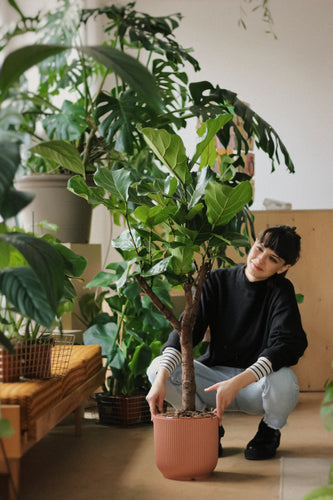
How NOT to care for your plants: 6 non-obvious mistakes you're making!
How NOT to care for plants? Are your plants yellowing, failing to grow, or do they have brown, crispy tips? You are likely making mistakes you aren't even aware of!
Are your houseplants turning yellow, failing to grow, or developing dry leaf tips? You might be making care mistakes you aren't even aware of! Plant care is about more than just watering and fertilizing; it also involves choosing the right soil, pot size, and tools, as well as adjusting your routine to the season. So, how do you do it right? We’ve put together a list of six of the most common, yet non-obvious, mistakes in houseplant care. Learn how to avoid them and enjoy beautiful, lush greenery all year round.
1. You don't repot your plants into a larger pot after purchase
Plants bought in stores are often packed into small pots that quickly become too cramped for their developing root systems. The result? Crowded roots can become tangled, leading to stunted growth and, in the worst-case scenario, the death of the plant.
Our advice: repot your plant into a suitably larger pot after purchase. Choose a pot that is 2-3 cm larger than the store-bought one. When repotting, gently loosen the roots so they can spread freely in the new soil.

2. You leave the plant in its nursery soil after purchase
Repotting into a larger pot isn't everything! The nursery soil that plants are sold in at popular supermarkets is often waterlogged, depleted, and lacking in nutrients. These deficiencies can quickly weaken the plant and increase its susceptibility to diseases and pests. As a result, you might not get to enjoy your new purchase for very long.
Our advice: after purchase, repot the plant into fresh soil tailored to the needs of the specific species. Don't forget to add perlite or vermiculite to the substrate to improve drainage.
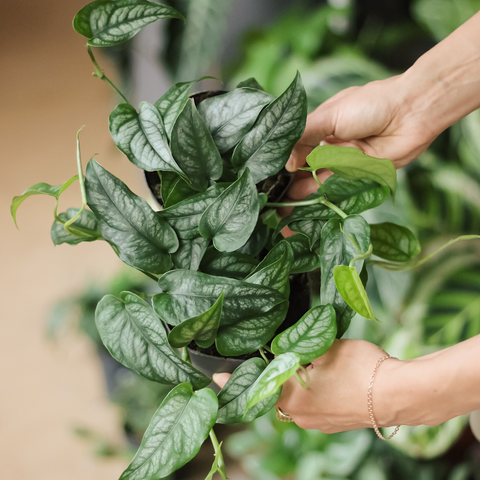
3. You don't clean your tools before pruning plants
Do you grab the first pair of kitchen scissors you see when you want to trim a few dry leaves? Bacteria, fungi, and viruses will be thrilled! Pruning plants with unsterilized tools can lead to the development of diseases and infections that can quickly spread to other plants in your home.
Our advice: always clean your gardening tools before pruning plants. You can use an isopropyl alcohol solution or simple dish soap and water to kill any pathogens.
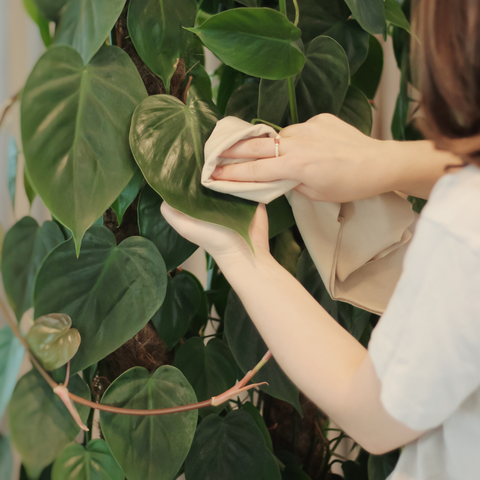
4. You don't fertilize your plants
Regular fertilization provides plants with the essential nutrients that are crucial for healthy growth. Proper fertilizers support the development of the root system, leaves, and flowers—especially during the growing season, which lasts on average from March to October, when plants experience their most significant growth.
Our advice: choose fertilizers with a balanced composition (NPK) or specialized fertilizers designed for specific species, such as flowering plants, cacti, or orchids. Always use them according to the manufacturer's instructions.
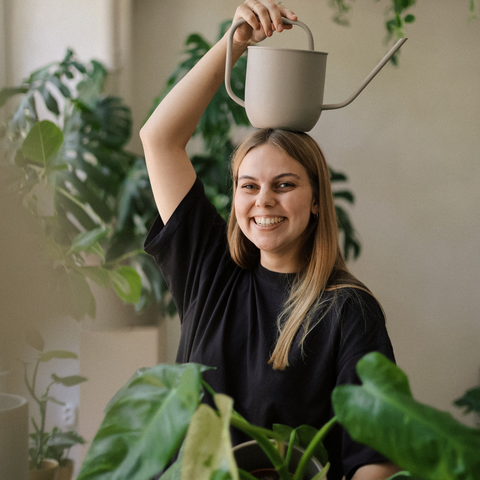
5. You water your plants with very cold water
Imagine someone suddenly dumping a bucket of cold water on you. You’d be in quite a shock, right? Your plant feels the same way! Cold water puts a plant's roots into shock, which is particularly harmful to tropical species. This can lead to root damage and stunted plant growth.
Our advice: when planning to water, fill your watering can and let the water sit for a few hours so it reaches room temperature. Depending on the water quality, you can use filtered or tap water that has been left to sit to avoid chlorine and other impurities that can be harmful to plants.

6. You don't adjust your care routine to the season
When it gets freezing outside, you put on a hat and gloves, and when the temperature rises, you pull out your hat and sunglasses. It’s worth taking care of your plants in a similar way—without the hats, of course! Different seasons require different approaches to care; in winter, plants generally need less water and fertilizer, but more light. In summer, they may require more frequent watering and protection from intense sunlight.
Our advice: Adjust your watering, fertilizing, and lighting schedule to the season. In winter, water less frequently and provide extra light if your plants need it. In summer, water more often or increase the amount per watering, and move your plants to protect them from excessive sun exposure.

Healthy plants, effortless care
Now you know what to avoid to help your plants thrive. Apply our tips and see how even small changes in your care routine can yield positive results. Tend to your indoor jungle mindfully, and it will reward you with lush growth and a stunning appearance!
However, we know that plant care requires commitment and time, which you might lack amidst your daily responsibilities. If you feel your plants need more attention than you can provide, consider using our comprehensive plant maintenance service. Our plant care specialists will offer support tailored to your greenery's needs, helping you save valuable time and enjoy beautiful, healthy plants without the extra effort or stress.