#plantpeople: the plantation station
We are launching a new interview series under the banner #plantpeople! In this project, we will tell you about the people who make up the plant community every day.
we are launching a new interview series under the banner #plantpeople! in this project, we will tell you about the people who make up the plant community every day, and whose apartments are true jungles. by sharing their stories, we want to infect you with a passion for greenery and show that you don't need a "green thumb" to surround yourself with plants. each story features a different person, interesting species, and the reasons why creating a home jungle has become a daily hobby, a passion, or sometimes a way of life and a full-time job. we hope you enjoy our new plant-themed series!
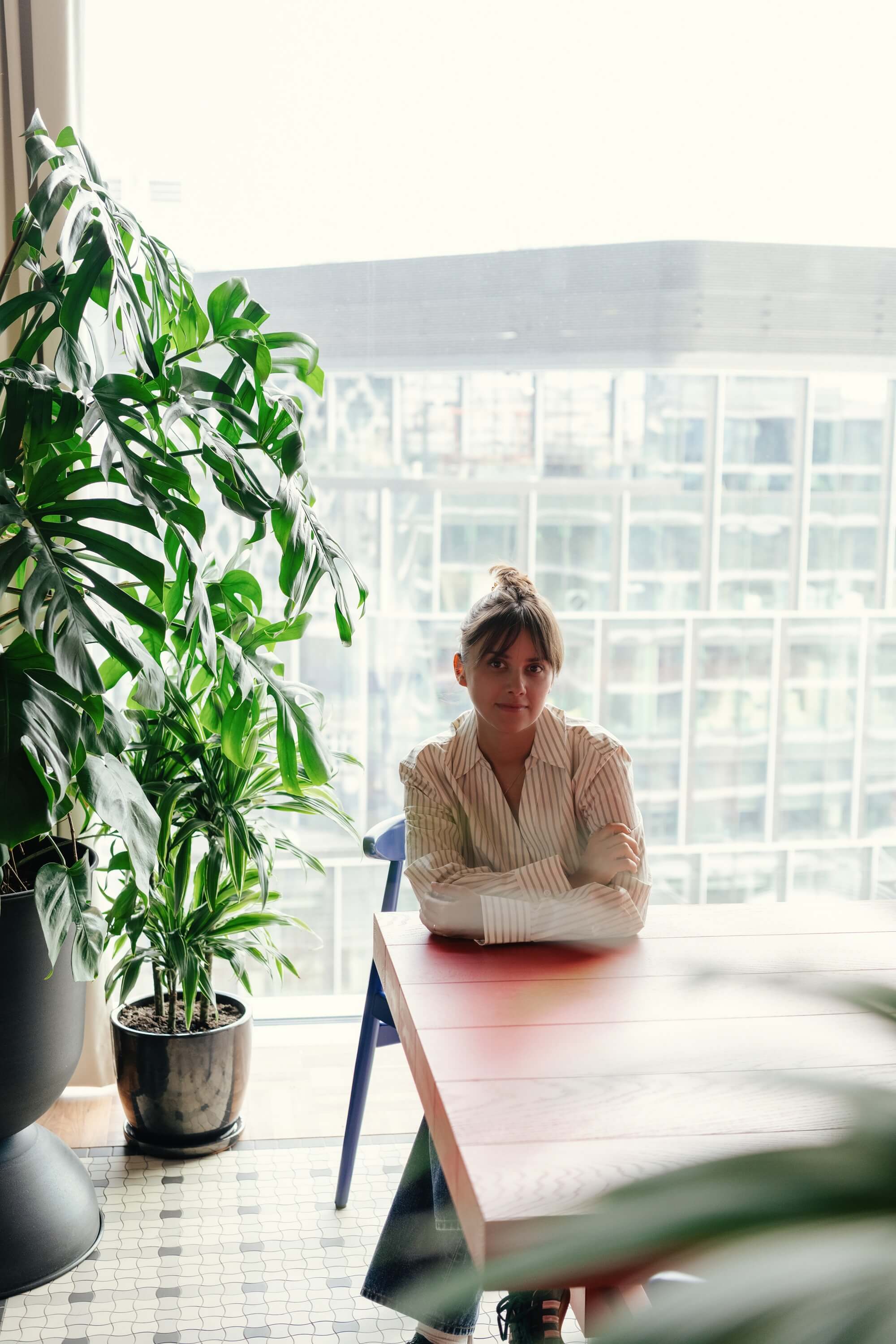
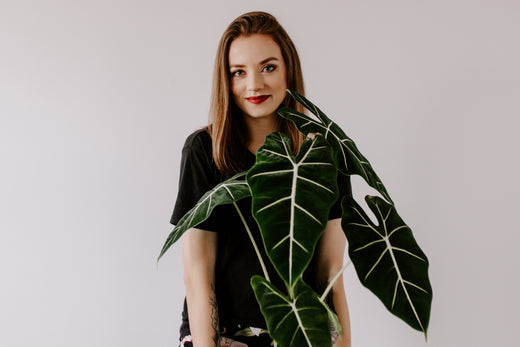
in the first episode, you will meet Monika, the owner of many amazing, rare species and the author of a very inspiring account @stacjaplantacja. be sure to check out her profile and blog!
what do you do for a living?
i work with images every day; i am a professional photographer. in life, however, i try to combine my passions, and that combination led to my instagram account. i post snippets of my home jungle there and talk about houseplants. additionally, for the past few months, i have been running a plant-themed blog. i try to solve the problems that beginner plant lovers encounter.

show off and tell us how many specimens your plant collection consists of?
honestly, i stopped counting after the hundredth cutting, but i estimate that my collection currently consists of about 150 plants. almost all species are from the Araceae family. i am in love with Philodendrons and Syngoniums, and they rule my apartment.
so how did it all start with these plants? was there a turning point where you felt a love for plants, or did it come gradually?
the connection between me and plants is quite unexpected. as long as i can remember, my family home placed great importance on greenery in the interior, and you could say i grew up in a jungle. my mom has a great green thumb, and although she cares for them very intuitively, she has no problems with plants. i didn't inherit that; as a child, i rebelled against all the cuttings my mom smuggled into my room. this lasted for many years, and along the way, there were some individual specimens that came under my care, but none of them survived longer than a few months.
after college, i moved to warsaw. i come from the masurian lake district, and living in such a big city was overwhelming for me. i have always felt that i need contact with nature. i often visit forests, walk through meadows, and observe nature. in the capital, i missed this very much; the nearby parks were not enough for me. so, i decided to smuggle some greenery into my home.
initially, these were popular species from supermarkets, and i had no idea how to handle them. every now and then, i had pest invasions, fungal diseases, and other plant ailments in my home. my plants were dying, and wanting to save them, i started looking for information. i read books, talked to my mom, and drew knowledge from the internet. i quickly discovered groups connecting plant lovers. it's a real goldmine of knowledge, but you have to use them wisely.
the more i read, the easier it was for me to help the plants. at some point, i became so skilled that i tried to save every dying cutting i found. i took them from trash cans and plant shelters. i rescued all the poor things and looked for new homes for them. that's how i found sales and swap groups. that was definitely a turning point, because a few months later, i had a real jungle in my apartment. and it has been like that ever since.

the idea behind our project is to spread a passion for plants and show that you don't need a "green thumb" to handle houseplants. what are your three pro-tips for people who are just starting their life among plants?
1. first of all, be flexible. plants are living organisms, and there are no ready-made templates for them. what works for one person won't necessarily work for you. observe your plants and try different solutions.
2. always check a plant's requirements before buying it. i can't count how many times, at the beginning of my journey, i bought a cutting without knowing its needs. of course, i often couldn't meet them later. for example, i bought a strelitzia, even though i only had a north-facing window at the time, which was also shaded by trees. the sunlight reaching it was scarce, and this light-lover quickly started to wither. you don't have to look far for examples; facebook groups are full of photos of dying plants. most are in poor condition because their owners didn't check what conditions they needed to provide before buying them.
3. be careful with watering. from experience, i know that most plant problems stem from improper watering. don't overwater your plants. always check the soil moisture before adding water to the pot. believe me, it will make a big difference.
Looking through your Instagram account @stacjaplantacja, it’s easy to see that you collect nothing but unique specimens, which, as we know, are hard to come by. Would you share where you find these plant species?
I spend a lot of time browsing Facebook sales groups, and that’s where the majority of my collection comes from. I have quite a few species from imports; some plants came from Asia, while others are from South America. However, importing plants can be very risky, as the cuttings often arrive in poor condition. They require special care and re-rooting, so I don’t recommend this source for beginners. Fortunately, collector species are appearing in Polish shops more and more often, so they are becoming easier to access.

What is your biggest plant-related dream?
I have to admit, I have many such dreams. The list of plants I’d like to have will probably never end. After all, there are so many beautiful species, and new hybrids are being created all the time. However, my biggest dream is to go to the International Aroid Society Annual Show and Sale in Florida. It’s a huge exhibition of plants from the Araceae family. I would love to see large and rare specimens with my own eyes, talk to researchers and breeders, and, of course, meet other plant lovers from all over the world. It must be an amazing experience.