
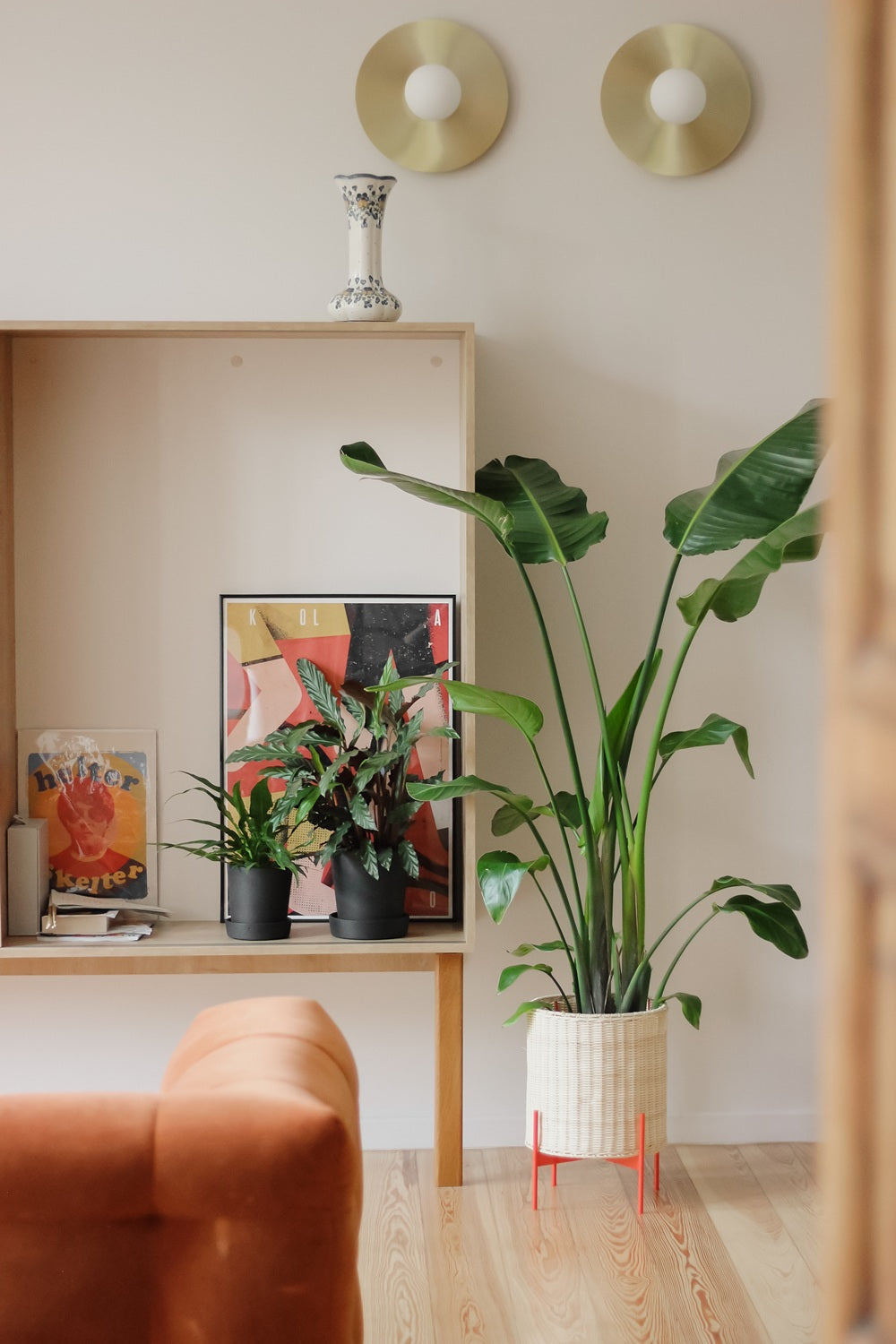
Biophilia in design – why it matters and how to achieve it
Biophilia in design – the biophilia theory posits that humans have a deeply rooted love for nature, which is a natural need encoded in our DNA.
The term biophilia is a combination of the word "bio" meaning life and the Greek word "philo," which means "love." It is literally a love of nature and everything that lives. The theory of biophilia posits that humans have a deeply rooted love for nature, which is an intuitive and natural need encoded in our DNA, thanks to which we develop as a species. In recent years, biophilia has become a trend in interior and office space design, so it is worth looking at why biophilic design is so necessary in our lives.
D
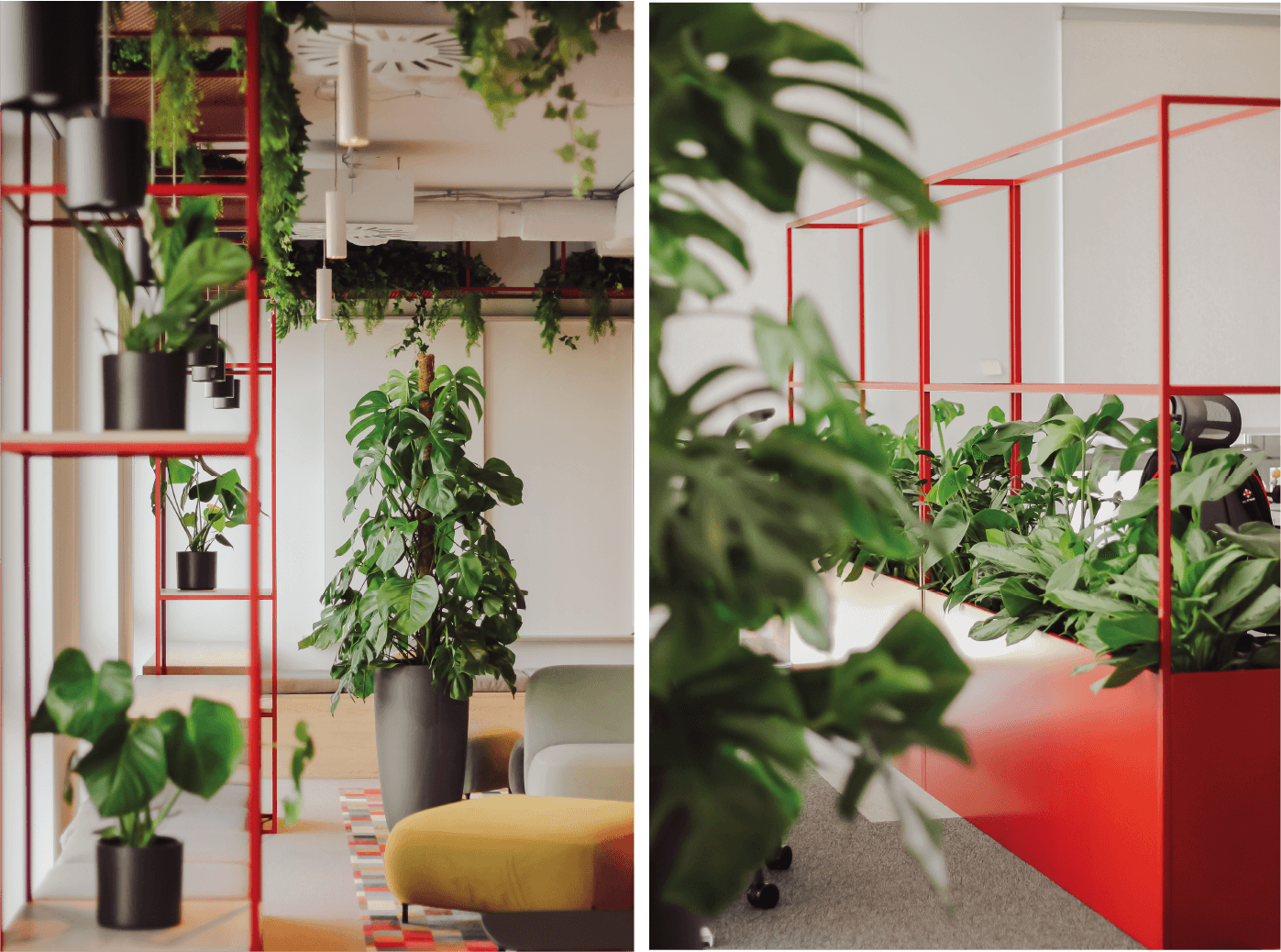
biophilic design – the birth of a trend
Over the last few years, a quiet revolution has begun to change how people think about their space, both at home and at work. The idea of biophilia focuses on the premise that great interiors should mimic the environment that makes us feel good, and numerous scientific studies have confirmed that people feel best when they are close to nature.
Biophilic design dates back to the early 1980s, when biologist Edward O. Wilson outlined his philosophy of biophilia, hypothesizing that humans have an innate, biological affinity for the natural world. Today's biophilic design, however, goes a step further. People now spend 90% of their time indoors, so designing spaces that appeal to nature in both obvious and subtle ways is essential for our physical and mental health. At the simplest level, this means plants – lots of plants! But biophilic design is more than just adding plants to interiors. It is an ethos that presents interior design not just as an aesthetic or functional discipline, but as a way to improve people's mental and physical well-being.
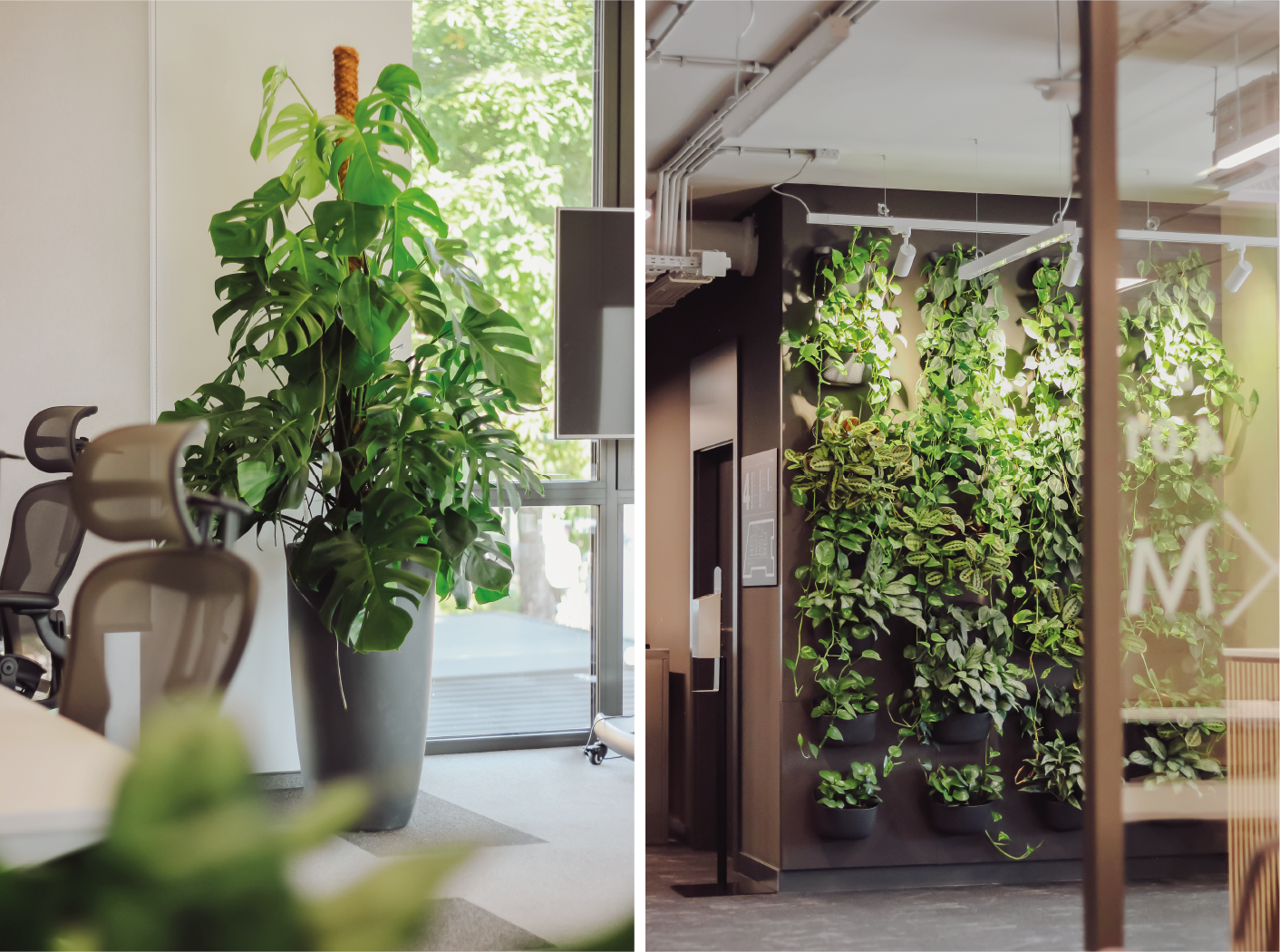
What is the simplest way to surround yourself with biophilic design?
We already know that surrounding ourselves with greenery is simply in our human nature, but it is worth remembering that applying biophilia in interiors, especially in the workplace, not only improves health and well-being but also increases productivity, improves concentration, and generally translates into better work performance. In our homes, it makes us feel safe, relaxed, and happy. Here are a few simple steps to introduce biophilia into our offices and apartments.
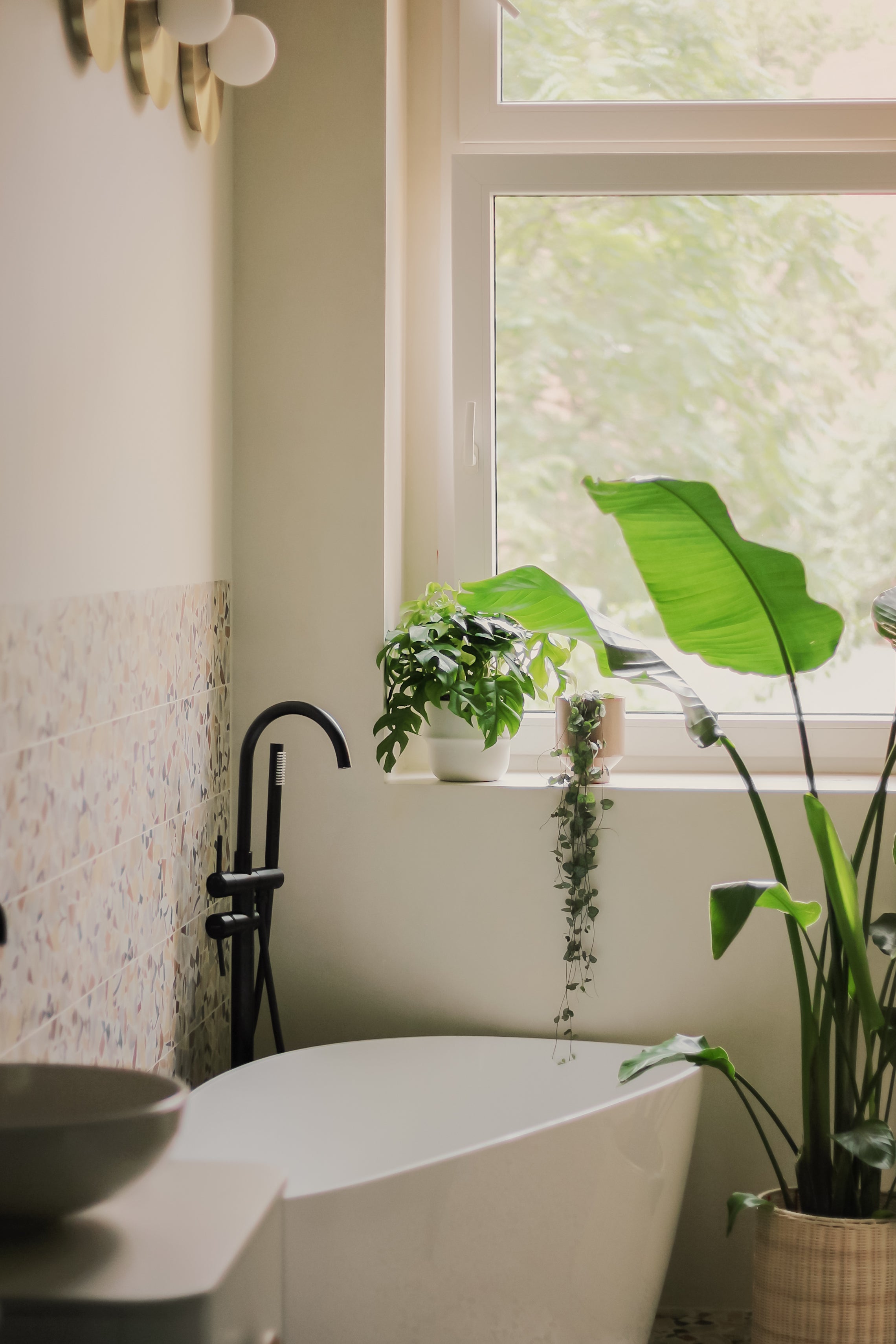
Fresh air
This may seem obvious, but access to daylight and fresh air is one of the key elements of biophilic design. Thanks to large, bright windows that we can open wide, we not only have access to the sun and air, but we can also hear birds singing, the patter of rain, or the rustle of trees. We can feel the season on our own skin, which makes the barrier between our indoor space and the nature outside thinner, and we feel more connected to nature. Nowadays, in many offices, we do not have the option to open windows, so let's try to ensure that staying in our homes gives us that substitute for closeness to nature.
Light and shadow
There is increasing evidence that we are healthier when our circadian rhythm is balanced, and access to good daylight helps with this. We intuitively map the time of day by seeing shadows and sunlight moving across a room, and we instinctively gather in sunny, warm spots. When arranging interiors, observe how the sun moves through them and plan your relaxation space exactly where there will be the most of it.
From outside to inside
The interiors we inhabit are too often sterile and lack any reference to nature. Bringing nature and natural elements into the home or office is a key element of biophilia.
Freestanding plants, plant arrangements, hanging planters, or green walls are a great way to bring the natural world into our interiors. Additionally, using natural materials such as wood, wicker, or stone offers us variations in textures and patterns that mimic the sensory variability we experience in nature. We can also opt for natural fabrics such as linen or cotton.
natural shapes and forms
Currently, most construction and building materials are dominated by lines and right angles. Building curved shapes and forms, which we find in waves, flowers, or shells, is expensive, even though we are instinctively drawn to the sense of order, complexity, and beauty of these shapes. Not every home or office can bring natural forms into the building's structure, but patterns taken from nature can be used as decorative motifs and strongly connect us with the natural world.
Spatial variability
Nature offers a variety of spatial experiences, from meadows to forests to mountains, and providing a diversity of spaces in our homes and offices can mimic this variability found in nature, which will allow us to adapt these places to different moods and tasks.
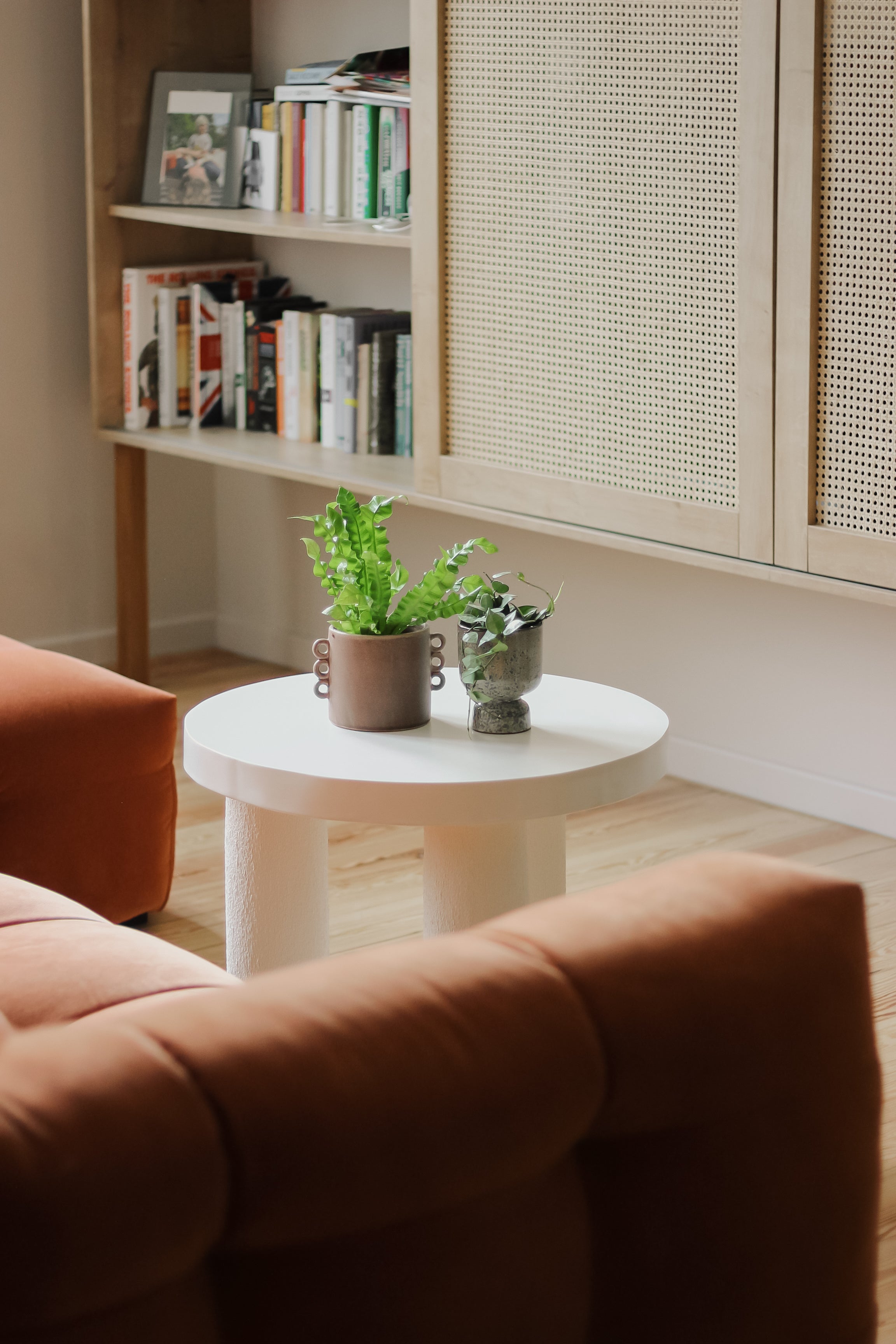
It is important to realize that biophilic design is more than just a new way to increase human productivity through the use of an innovative technical tool. The successful application of biophilic design fundamentally depends on adopting a new awareness toward nature, recognizing how much our physical and mental well-being still depends on the quality of our connections to the world outside us, of which we remain an integral part. And let's not forget that interiors filled with greenery, light, and natural materials are simply beautiful, and spending time in such spaces will help us reduce tension and stress and feel good, even when we do not have the opportunity for direct contact with nature.


