6 most common mistakes in office greenery design - a guide for architects and interior designers
Common mistakes in office plant arrangements. Tips for architects and interior designers – learn how to create a functional green office.
Over the last 9 years, we have had the opportunity to introduce plants into a variety of spaces—from boutique interiors to multi-story corporate offices and coworking spaces. While conducting greenery audits, we have visited interiors that were refined in every aspect—except for the plants. Inappropriate placement or the selection of species unsuited to the conditions are just some of the problems that recur surprisingly often. Over time, it became clear to us that most of these errors share a common denominator: the lack of a well-thought-out greenery concept. In this text, we discuss the six most common traps that even experienced architects and designers can fall into when preparing a project for an office, commercial space, or even a home interior. If you care about a satisfied client and a functional space where greenery not only decorates but truly supports user comfort, it is worth planning this element right at the beginning of the design process.
1. Pots that are too small or too shallow for XL plants
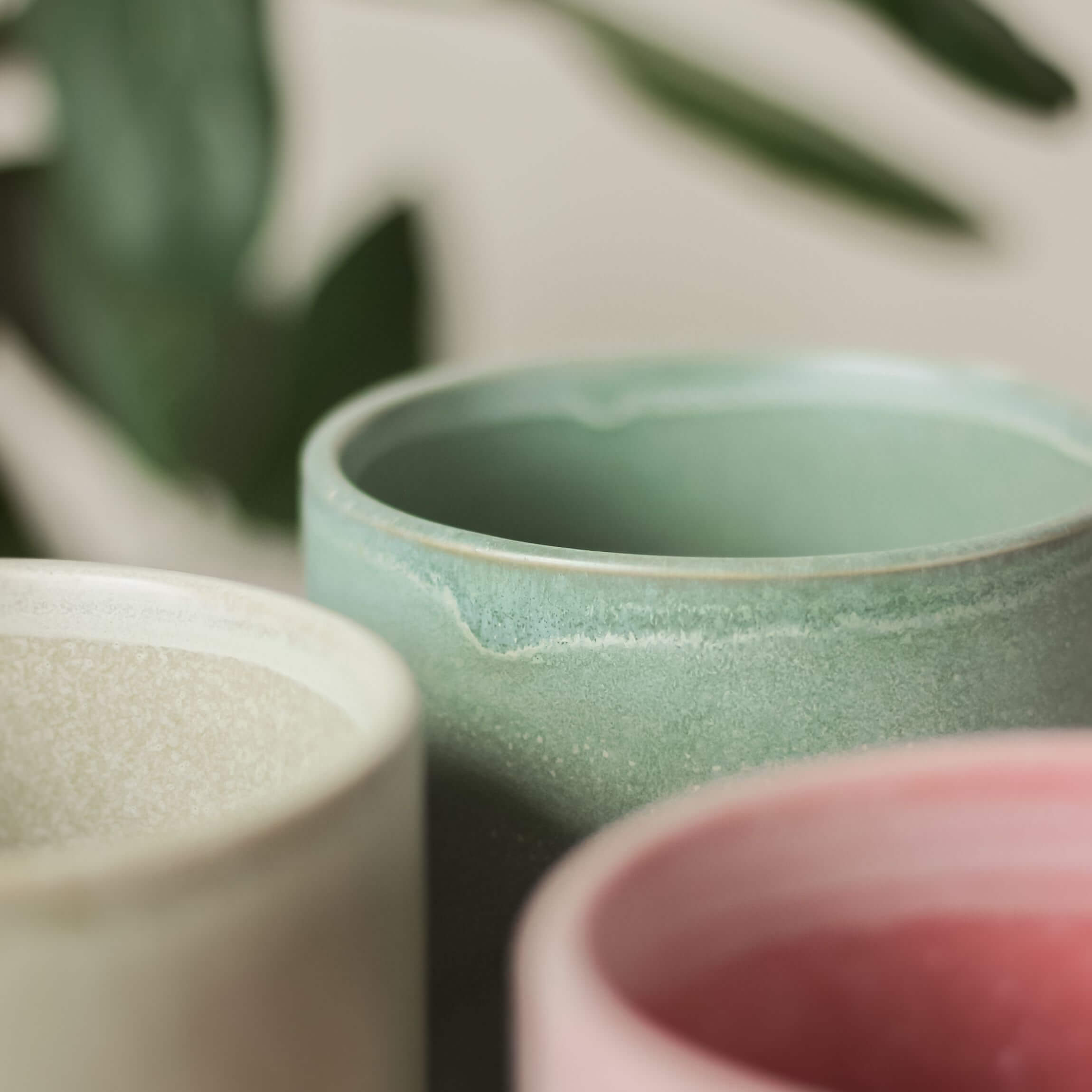
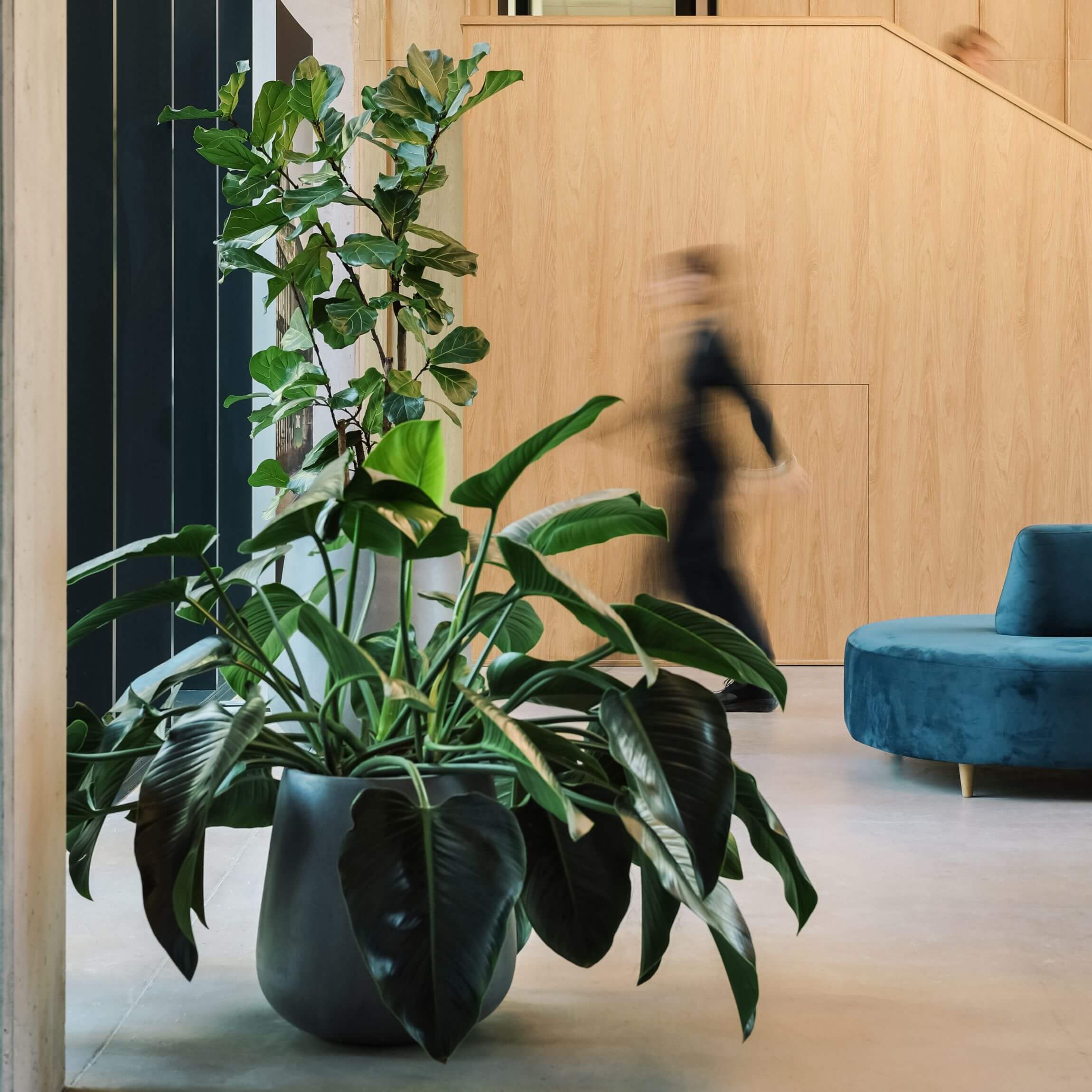
A striking tree-form ficus, a sprawling bird of paradise, or perhaps a massive monstera? XL plants make an impression, and we love seeing them in office and home interior designs. However, we are less fond of seeing pots that are too shallow or too narrow in visualizations. The larger the plant, the larger its root system. It therefore needs more space to grow freely and healthily.
First, a lack of stability. A pot that is too small cannot support the weight of a large specimen. The plant may start to tilt, wobble, or even tip over, which is both an aesthetic and a practical risk. Second, hydration problems. In a substrate volume that is too small, water evaporates very quickly or drains away without being properly retained. The plant has no chance to absorb as much as it needs. This is especially important for office plants with large leaves that transpire intensely, such as the bird of paradise or monstera.
2. Overlooking the logistics of transporting and installing large specimens
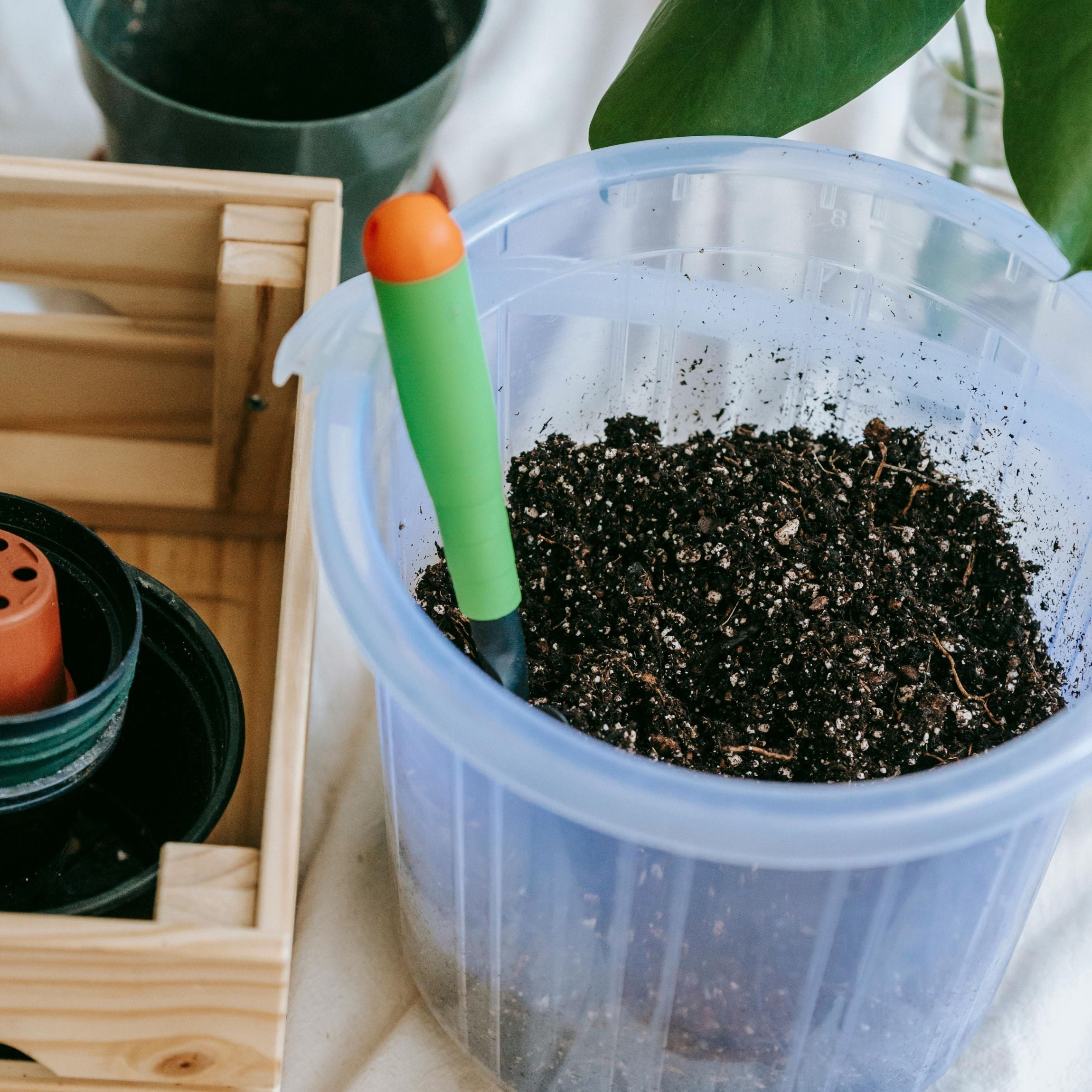
Pots are not the only issue to keep in mind when planning an interior design with XL plants. Logistics are just as important. Who will handle the transport of the plants to the project site? Is there an elevator in the building? Is it large enough? If the plant requires repotting after purchase, who will handle it, where will the planting be done, and where will the necessary supplies come from?
A large plant may simply not fit in the elevator, pass through a door, or it may get damaged during transport. A lack of prior research into logistical issues can mean having to make emergency changes to the concept at the final stage of implementation – and sometimes even giving up on a chosen species. Conversely, repotting a large plant on-site without preparation can result in a mess that disrupts the daily operation of the office.
3. Lack of microclimate analysis: proximity to radiators, air conditioning, and drafts
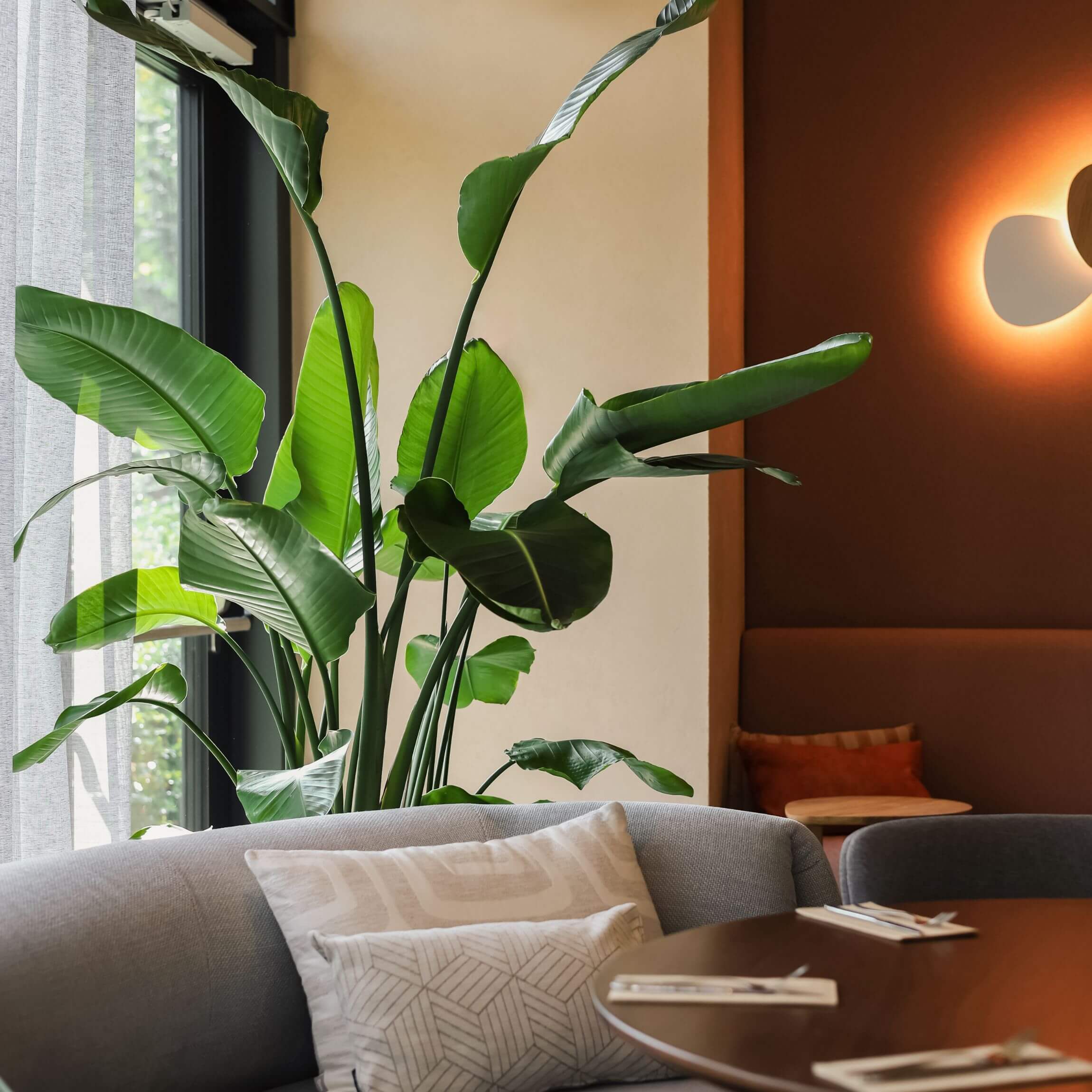
The issue of plant placement in a space is often underestimated. Interior designers frequently focus on aesthetic issues without considering the microclimate of a given location. Meanwhile, the distance from a radiator, air conditioner, vent, or window is of great importance to their condition. Therefore, we recommend ensuring at the design stage that the plants will not be exposed to intense heat, cold gusts, or drafts in the chosen spot. Sometimes, moving a pot by a few dozen centimeters is enough to create stable conditions for it and prevent costly problems in the future.
Placing a plant right next to a radiator can lead to leaf desiccation, accelerated water evaporation from the substrate, and even burns. Conversely, cold air from an air conditioner or drafts near leaky balcony doors or windows can cause thermal shock. Symptoms include curled or drooping leaves, brown spots, stunted growth, and sometimes even the total death of the plant. You can read more about the signs of poor plant health in our article on the most common mistakes in office plant care.
4. Placing sprawling plants in traffic areas
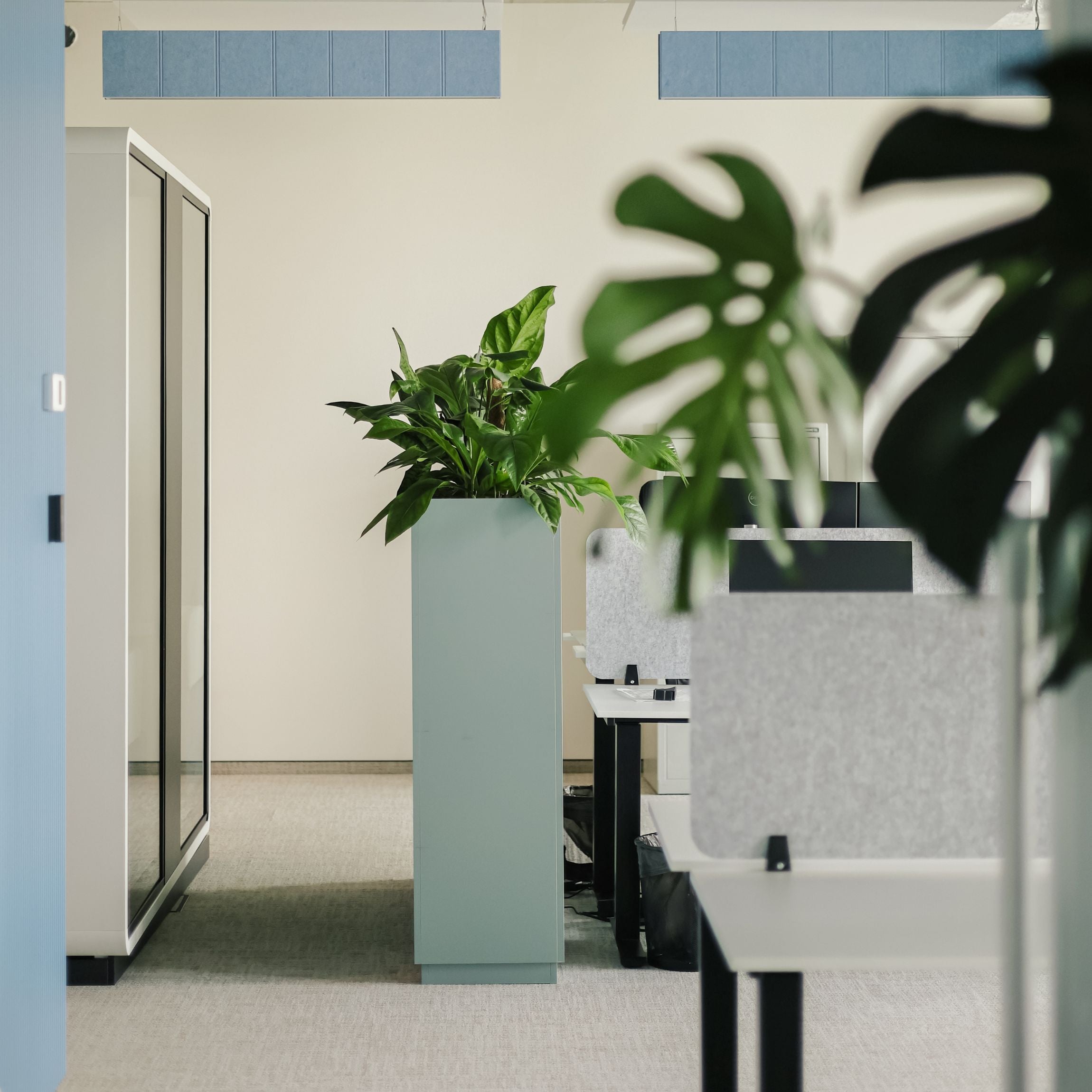
It is not just the distance from heat or cold sources that matters. The placement of plants in relation to functional zones in the space is equally important. One of the most common mistakes is placing large and sprawling potted plants for offices in traffic areas – that is, in hallways, narrow passages, or entrance zones. Such a location not only hinders free movement but also increases the risk of mechanical damage to leaves and stems due to accidental bumping.
Plants in traffic areas can cause discomfort to users of the space, disrupt ergonomics, and necessitate frequent moving of the pots, which can negatively affect their condition. When designing greenery in an office, it is worth remembering that it should be not only aesthetic but also functionally integrated with how the space is used.
5. Treating plants like static furniture without considering their growth
From experience, we know that many projects treat plants as a static element of decor that does not undergo major changes over time. However, plants are not furniture. They live, grow, extend their vines, change their habit, and sometimes their requirements – after a year, they may look completely different than on the day of purchase. A well-thought-out interior design featuring greenery should take into account the potential size of the plants, their growth rate, and the way they will spread – both upwards and outwards.
Failing to anticipate plant growth rates can lead to complications. Over time, a plant may begin to interfere with furniture, walls, or lighting, outgrow its designated space, or require intensive pruning. It also happens that plants need to be repotted or moved to a different location—often after the project is completed—which entails additional costs and changes to the interior design. Many of these problems can be eliminated at the design stage by planning greenery with its target size and natural growth habit in mind.
6. Mindlessly transferring AI visualizations and Pinterest inspiration into a project
Pinterest and other social media platforms are full of interior visualizations featuring plants in the biophilic design style—they are a great source of inspiration for potential client mood boards, but they are also a trap. In the age of artificial intelligence, we increasingly encounter AI-generated images that, while striking, can be completely unrealistic from a technical and practical standpoint. Plants in AI-generated interiors often have perfect proportions, grow in places where they could not survive in the real world, and the planters and arrangements ignore the conditions necessary for their proper growth.
When a project is based on unrealistic models, the client develops expectations that are difficult to meet later. A plant may not grow to the size suggested by the inspiration, a planter may prove impractical, and the arrangement itself may be difficult to maintain and care for. As a result, disappointment, frustration, and the need for design changes arise. This is why, as indoor greenery specialists, we always emphasize that inspiration should be treated with caution and combined with knowledge of species-specific requirements and a thorough site visit of the interior in question.
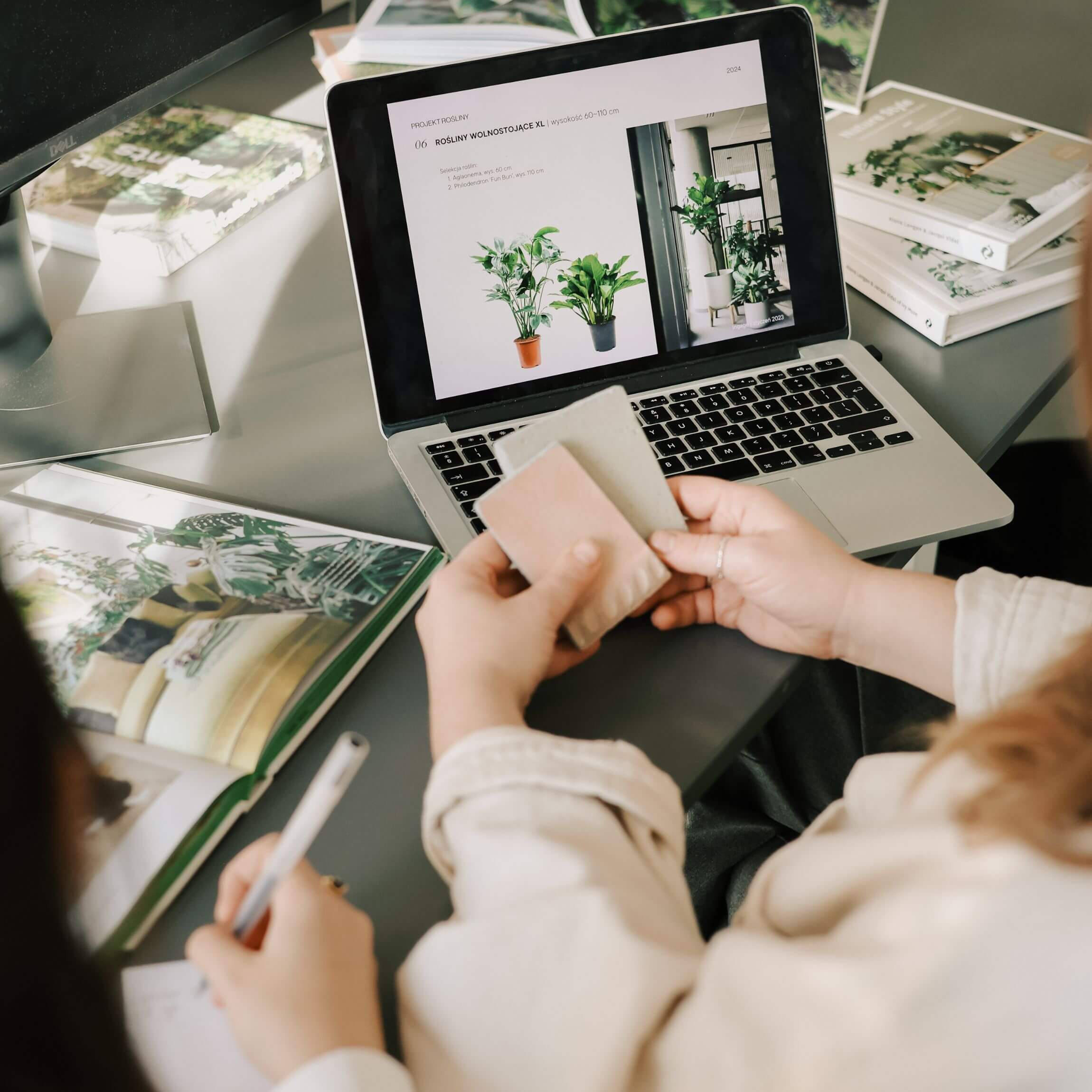
Design interior greenery wisely—right from the start.
Collaborating with greenery designers on interior projects
If you want to ensure that the greenery in your project is not only aesthetic but, above all, tailored to the conditions, style, and needs of the users— check out our collaboration offer. We support architects and interior designers with greenery audits, the preparation of greenery design plans, comprehensive plant space implementationandand professional plant maintenance services. We will take care of every stage—from the design to daily plant care—to help you create a functional green office for your client.